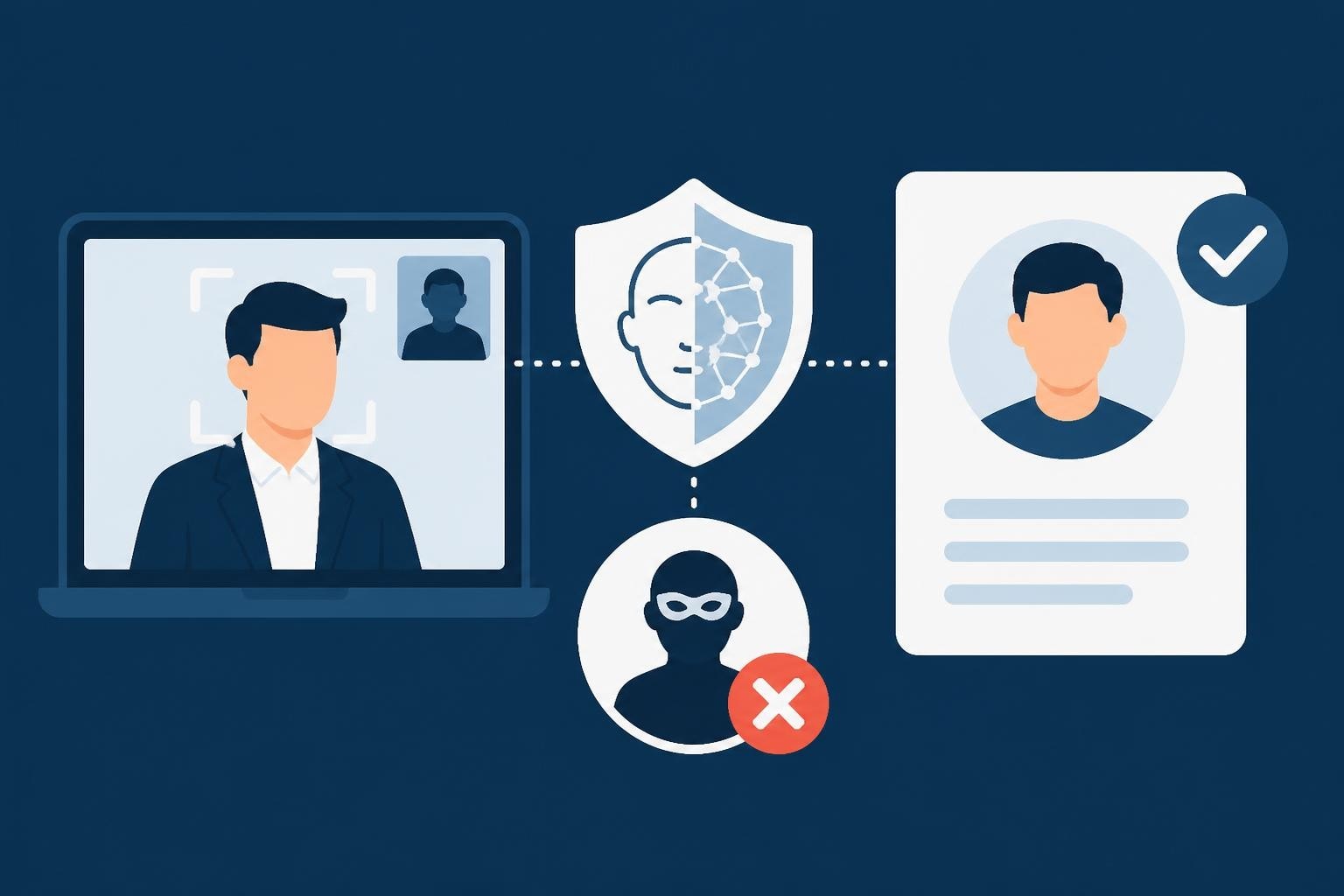
Proxy Interview Detection: Protecting Your Hiring Process
Remote hiring has revolutionized talent acquisition, enabling companies to access global talent pools and streamline recruitment processes. However, this shift has also created unprecedented opportunities for interview fraud, particularly through proxy interviews where candidates use stand-ins during the hiring process. As organizations increasingly rely on virtual interviews to evaluate candidates, understanding and implementing robust proxy interview detection measures has become essential for maintaining hiring integrity and protecting business interests.
Understanding the Mechanics of Proxy Interview Fraud
Proxy interview fraud occurs when a candidate enlists another person to participate in interviews on their behalf. This deceptive practice has evolved into a sophisticated operation, often involving organized networks that facilitate the substitution. The proxy, typically someone with stronger technical skills or better communication abilities, represents the actual candidate during video or phone interviews to secure job offers.
The mechanics behind these schemes vary in complexity. Some candidates simply have a friend or colleague answer questions during the interview while they remain off-camera. More elaborate operations involve professional proxy interview services where experienced professionals conduct interviews for multiple clients, operating essentially as "interview-for-hire" businesses.
Common characteristics of proxy interview operations include:
- Coordinated timing where the actual candidate and proxy synchronize their schedules
- Use of technical manipulations such as pre-recorded video loops or manipulated camera angles
- Coaching sessions where proxies study the candidate's resume to maintain consistency
- Payment structures ranging from flat fees to percentage-based compensation upon successful placement
The financial incentives driving this fraud are substantial. Candidates may pay anywhere from a few hundred to several thousand dollars for professional proxy services, viewing it as an investment in securing high-paying positions they couldn't obtain through legitimate means.
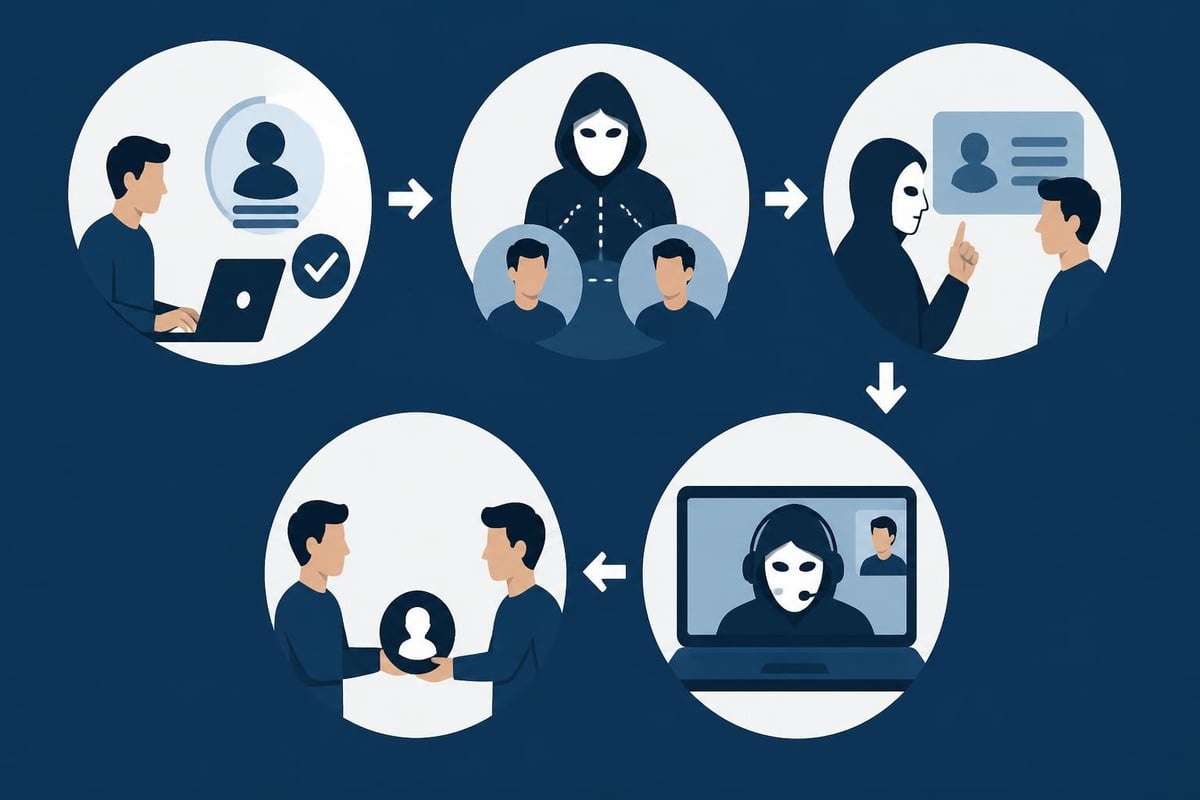
Red Flags That Signal Proxy Interview Detection Needs
Identifying potential proxy interviews requires vigilance and systematic observation throughout the recruitment process. Several behavioral and technical indicators can alert recruiters to fraudulent activity before extending offers to unqualified candidates.
Visual and Audio Inconsistencies
One of the most telling signs involves mismatches between the candidate's application materials and their appearance or voice during interviews. When a candidate's facial features, gender presentation, or apparent age significantly differs from professional photos or previous interactions, it warrants immediate investigation.
Audio-visual synchronization issues often indicate fraudulent interview practices. Delays between lip movements and spoken words, unnatural pauses before answering questions, or frequent looking off-camera suggest the interviewee may be receiving assistance or coaching in real-time.
Knowledge Inconsistencies and Response Patterns
Proxies typically struggle to maintain consistency with the actual candidate's documented experience. Watch for these warning signs:
- Inability to elaborate on specific projects listed in the resume
- Vague responses to questions about previous roles and responsibilities
- Contradictory statements about employment timelines or technical expertise
- Exceptionally polished answers to technical questions followed by confusion about basic concepts
- Different communication styles between written correspondence and live interactions
The candidate who submits detailed, technical written responses but struggles with elementary verbal explanations reveals a potential disconnect between who completed the application and who appeared for the interview.
Technical Solutions for Proxy Interview Detection
Technology has become both the enabler and the solution for interview fraud. Modern proxy interview detection systems leverage multiple verification layers to authenticate candidate identity and monitor suspicious behavior throughout the hiring process.
| Detection Method | How It Works | Effectiveness Level |
|---|---|---|
| Biometric Verification | Compares live facial features with ID documents | High |
| AI Behavior Analysis | Monitors eye movement, typing patterns, response delays | Medium-High |
| Browser Fingerprinting | Tracks device consistency across sessions | Medium |
| Knowledge Validation | Spontaneous questions about resume details | High |
| Multi-Session Comparison | Analyzes voice and visual consistency | High |
Identity Verification Technologies
Advanced identity verification platforms now incorporate facial recognition, document authentication, and liveness detection to confirm that the person interviewing matches government-issued identification. These systems can detect deepfakes, pre-recorded videos, and photo substitutions by requiring candidates to perform random actions during verification.
Biometric authentication creates a unique profile for each candidate, establishing a baseline that subsequent interview sessions must match. This approach makes it significantly harder for proxies to successfully impersonate candidates across multiple interview rounds.
Behavioral Analytics and Pattern Recognition
Modern proxy interview detection systems employ artificial intelligence to analyze candidate behavior during interviews. These platforms monitor dozens of micro-behaviors simultaneously, including eye movement patterns, response latency, keystroke dynamics, and facial expressions.
Key behavioral indicators tracked by detection systems:
- Frequency and direction of off-screen glances
- Consistency of typing speed and patterns
- Audio quality variations suggesting multiple audio sources
- Unusual background noise consistent with coaching
- Network activity spikes indicating screen sharing or remote assistance
When these systems detect anomalies, they flag the interview for human review while continuing to gather evidence. The combination of automated monitoring and expert analysis significantly improves detection accuracy while minimizing false positives.
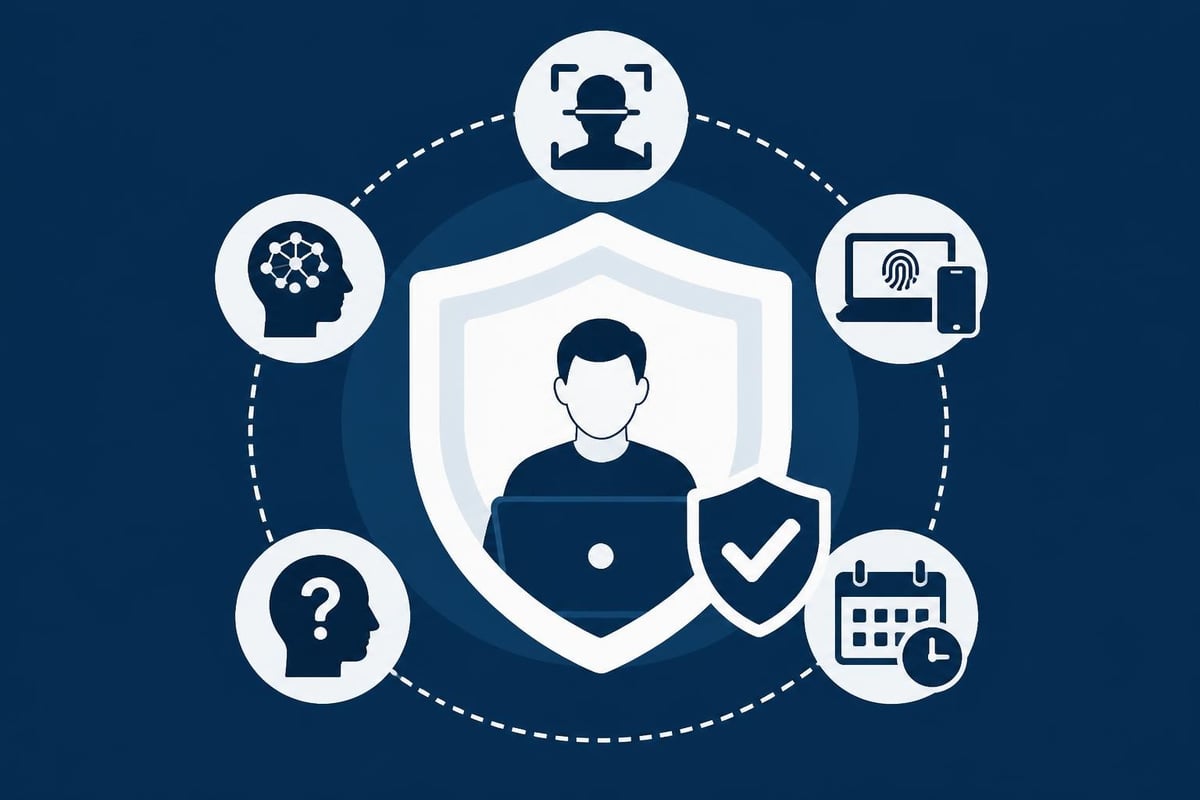
Building a Comprehensive Detection Strategy
Effective proxy interview detection requires more than implementing a single technology solution. Organizations must develop holistic strategies that combine technological safeguards with refined interview processes and trained personnel.
Multi-Stage Verification Protocols
Implementing verification checkpoints throughout the hiring process creates multiple opportunities to identify inconsistencies. Begin with preliminary screening calls that establish baseline communication patterns, then progress through increasingly rigorous technical and behavioral assessments.
Each interview stage should include spontaneous elements that proxies cannot prepare for in advance. Unannounced technical challenges, impromptu questions about recent industry developments, or requests to share screen and demonstrate specific skills in real-time all serve as effective detection mechanisms.
For organizations focused on building reliable talent pipelines, platforms like Augmnt ATS incorporate verified matching and candidate fraud detection directly into the recruitment workflow, ensuring that only authenticated candidates progress through hiring stages.
Interviewer Training and Awareness
Human judgment remains irreplaceable in detecting subtle cues that automated systems might miss. Training interviewers to recognize proxy interview warning signs transforms your recruiting team into a frontline defense against fraud.
Effective training programs should cover:
- Common proxy interview tactics and how they manifest during interviews
- Question techniques that reveal knowledge gaps inconsistent with resume claims
- Documentation procedures for suspicious behaviors
- Escalation protocols when fraud is suspected
- Legal and ethical considerations in fraud investigation
Interviewers equipped with this knowledge become more effective at identifying various forms of interview fraud while maintaining a positive candidate experience for legitimate applicants.
Industry-Specific Vulnerabilities and Adaptations
Certain sectors face heightened proxy interview risks due to the nature of their roles, compensation levels, and hiring processes. Understanding these industry-specific vulnerabilities enables organizations to tailor their detection strategies accordingly.
Technology and Engineering Roles
Software development, data science, and engineering positions represent prime targets for proxy interview fraud. The technical complexity of these roles, combined with high salaries and remote work options, creates strong incentives for unqualified candidates to employ proxies.
These positions often require extensive technical assessments, which sophisticated proxies can navigate successfully. However, detection strategies focused on engineering roles emphasize live coding exercises, architecture discussions requiring deep understanding, and practical problem-solving scenarios that reveal genuine expertise versus rehearsed responses.
Healthcare and Regulated Industries
Industries with strict licensing and credential requirements face unique proxy interview challenges. Fraudulent candidates may use proxies to navigate initial screening stages, planning to obtain or fabricate credentials later. Healthcare recruiters must implement stringent verification processes that confirm not only identity but also licensure status, continuing education compliance, and professional references.
Leveraging Digital Footprint Analysis
A candidate's digital presence provides valuable corroborating evidence during proxy interview detection investigations. Cross-referencing interview performance with online professional profiles, published work, and social media presence can reveal inconsistencies that suggest fraud.
Professional Profile Verification
Advanced detection methods now include facial recognition technology that compares interview video captures with images from LinkedIn profiles, GitHub contributions, conference presentations, and other professional platforms. Significant discrepancies in facial features, professional timeline gaps, or contradictions between claimed expertise and online contributions warrant further investigation.
This verification extends beyond physical appearance to include communication patterns, technical knowledge demonstration, and professional network validation. A candidate claiming extensive experience in a specialized field should have corresponding digital evidence: published articles, conference presentations, open-source contributions, or professional endorsements.
Social Media and Communication Pattern Analysis
Analyzing writing style, technical vocabulary usage, and communication patterns across email correspondence, social media posts, and interview responses can reveal discrepancies. Natural language processing tools can identify when different individuals likely authored various communications attributed to a single candidate.
| Verification Source | What to Check | Risk Indicators |
|---|---|---|
| LinkedIn Profile | Photo consistency, endorsements, activity history | Recent profile creation, minimal connections, no activity |
| GitHub/Portfolio | Code quality, commit history, project complexity | Sudden expertise jumps, inconsistent coding styles |
| Professional Networks | Colleague endorsements, shared projects | No verifiable connections, vague recommendations |
| Published Work | Technical depth, writing style | Style mismatch with interview communication |

Implementing Preventative Measures
While detection remains crucial, prevention offers a more efficient approach to combating proxy interview fraud. Proactive measures discourage fraudulent attempts before they occur and create environments where legitimate candidates thrive while imposters struggle.
Clear Anti-Fraud Policies
Establishing and communicating explicit policies against proxy interviews sets expectations from the outset. Application materials should clearly state that identity fraud results in immediate disqualification and potential legal consequences. This transparency serves both as a deterrent and as legal foundation should prosecution become necessary.
Essential elements of effective anti-fraud policies include:
- Explicit definitions of prohibited behaviors including proxy interviews
- Consequences ranging from application rejection to legal action
- Required consent for identity verification procedures
- Data privacy protections for legitimate candidates
- Appeals processes for false positive determinations
Randomized Assessment Delivery
Standardized interview processes, while ensuring fairness, also enable proxy preparation. Introducing controlled randomization makes it significantly harder for proxies to prepare comprehensively. Random question selection from categorized pools, varied technical challenge formats, and spontaneous follow-up questions based on previous responses all increase detection probability.
This approach maintains assessment validity while introducing elements that genuine candidates navigate comfortably but proxies find challenging. The key lies in balancing unpredictability with fairness, ensuring that randomization doesn't disadvantage legitimate candidates with different backgrounds or communication styles.
Legal and Ethical Considerations
Organizations implementing proxy interview detection systems must navigate complex legal and ethical landscapes. While protecting hiring integrity remains paramount, candidate privacy rights and anti-discrimination regulations require careful consideration.
Privacy and Data Protection
Biometric data collection, behavioral monitoring, and digital footprint analysis all involve processing sensitive personal information. Compliance with privacy regulations such as GDPR, CCPA, and industry-specific requirements mandates transparent data handling practices, explicit consent mechanisms, and secure storage protocols.
Candidates must understand what data gets collected, how it's used in proxy interview detection, retention periods, and their rights regarding this information. Organizations should implement data minimization principles, collecting only information necessary for authentication purposes and deleting it according to established schedules.
Avoiding Discriminatory Practices
Detection systems must be carefully designed and regularly audited to prevent discriminatory outcomes. Technologies that show bias based on accent, ethnicity, gender, age, or disability status violate both legal requirements and ethical hiring principles. For instance, hiring managers implementing these systems should ensure they enhance fairness rather than introduce new biases.
Regular algorithm auditing, diverse training data, and human oversight of automated decisions help maintain equitable detection practices. When systems flag potential fraud, human reviewers should evaluate evidence while remaining conscious of unconscious bias and alternative explanations for observed anomalies.
Measuring Detection Effectiveness and ROI
Implementing proxy interview detection systems represents a significant investment in technology, training, and process modification. Organizations should establish metrics that demonstrate effectiveness and justify ongoing resource allocation.
Key Performance Indicators
Tracking the right metrics provides insights into both the prevalence of fraud attempts and the effectiveness of detection measures. Consider monitoring:
- Detection rate: Percentage of suspected proxy interviews identified and confirmed
- False positive rate: Legitimate candidates incorrectly flagged as fraudulent
- Time to detection: Average time from initial suspicion to confirmation
- Prevention impact: Reduction in new hire performance failures or early terminations
- Cost avoidance: Financial impact of prevented bad hires
These metrics inform continuous improvement efforts and help optimize the balance between security and candidate experience. Organizations should regularly review detection patterns to identify emerging fraud tactics and adjust countermeasures accordingly.
Long-Term Quality Improvements
Beyond immediate fraud prevention, effective proxy interview detection contributes to overall hiring quality improvements. By ensuring that interviewed candidates match hired employees, organizations build more accurate performance prediction models, refine assessment methodologies, and strengthen employer brand reputation.
Quality improvements manifest in reduced turnover rates, higher new hire performance scores, and decreased time-to-productivity metrics. These outcomes, while influenced by multiple factors, receive significant positive impact from eliminating fraudulent candidates from talent pipelines. For businesses seeking to maximize their recruitment ROI, exploring integrations with existing ATS platforms can streamline verification processes while maintaining candidate quality standards.
Emerging Technologies and Future Trends
The proxy interview detection landscape continues evolving as both fraudsters and security professionals develop increasingly sophisticated techniques. Understanding emerging trends helps organizations stay ahead of evolving threats.
Artificial Intelligence and Machine Learning
Advanced AI systems now analyze thousands of data points simultaneously, identifying subtle patterns that human observers might miss. Machine learning algorithms improve continuously, learning from each detected fraud case to recognize novel tactics. These systems can detect AI tools being used during interviews, remote desktop takeovers, and other sophisticated fraud mechanisms.
Natural language processing analyzes not just what candidates say but how they say it, detecting inconsistencies in speech patterns, vocabulary usage, and response construction that suggest coaching or substitution. Combined with computer vision analysis of micro-expressions and body language, these systems create comprehensive fraud detection capabilities.
Blockchain-Based Credential Verification
Emerging blockchain technologies offer immutable, verifiable records of credentials, certifications, and professional achievements. By creating tamper-proof credential chains, these systems make it significantly harder for candidates to falsify qualifications that proxies then defend during interviews.
Integration between proxy interview detection systems and blockchain verification platforms creates a comprehensive authentication ecosystem where identity, credentials, and interview performance all receive independent verification and cross-validation.
Building Candidate Trust Through Transparency
While robust proxy interview detection protects organizational interests, implementation must consider candidate experience and trust. Legitimate candidates should view security measures as protective rather than intrusive, understanding that verification processes ensure fair competition and workplace competency.
Transparent Communication Strategies
Organizations should clearly communicate why verification measures exist, how they protect both employer and candidate interests, and what candidates should expect during the process. This transparency builds trust while deterring fraud, as potential proxy interview participants understand the sophistication of detection systems they face.
Providing candidates with clear information about data usage, privacy protections, and the specific verification steps they'll encounter reduces anxiety while maintaining security. Many legitimate candidates actually appreciate rigorous verification, recognizing it ensures they're competing fairly against equally qualified peers rather than fraudulent proxies.
Balancing Security and Experience
The most effective proxy interview detection strategies integrate seamlessly into positive candidate experiences. Verification steps should feel natural rather than accusatory, implemented progressively throughout the hiring process rather than as sudden, intensive interrogations.
For example, platforms designed for verified matching incorporate authentication as part of the standard onboarding experience, making it feel like a normal step in professional talent marketplace participation rather than an exceptional security measure. This approach maintains candidate goodwill while achieving thorough verification.
Protecting your hiring process from proxy interview fraud requires a multi-faceted approach combining technology, process design, and human expertise. As remote hiring continues dominating recruitment strategies, robust detection systems have evolved from optional safeguards to essential infrastructure for maintaining talent quality and organizational integrity. Augmnt provides comprehensive candidate validation through AI-powered verification and human insight, ensuring that businesses connect only with authenticated, qualified AI professionals who have been thoroughly vetted against resume fraud and proxy interview schemes. Discover how verified talent matching can transform your recruitment outcomes while eliminating fraud risks from your hiring pipeline.