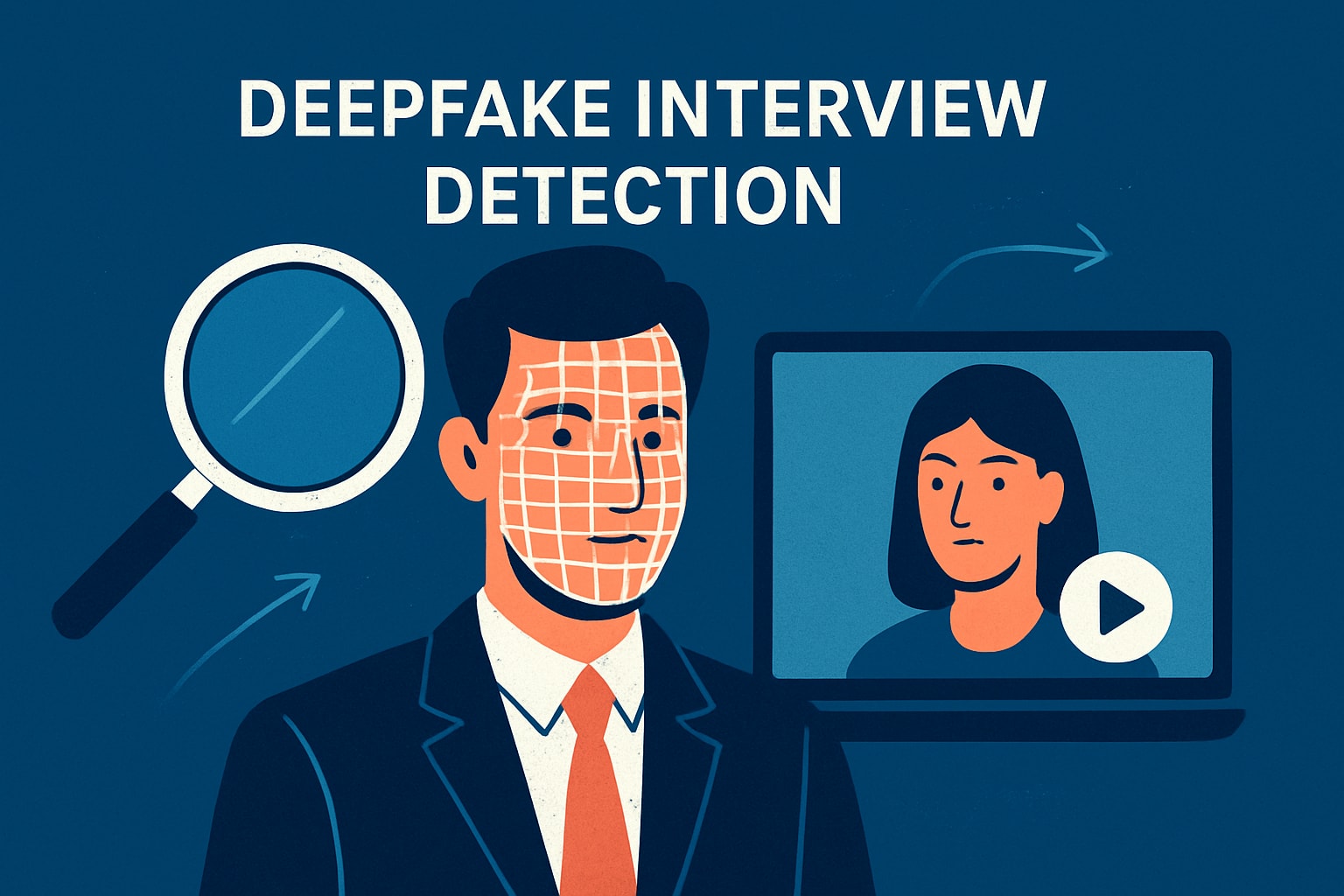
Deepfake Interview Detection Guide: Expert Insights 2026
In 2026, the rapid rise of deepfake technology is reshaping how virtual interviews are conducted, challenging organizations to separate real candidates from sophisticated digital imposters.
As deepfake interview detection becomes an urgent priority, businesses and HR professionals need expert-driven guidance to protect their hiring processes.
With deepfakes growing more advanced, traditional verification methods often fall short, leaving companies exposed to fraud and reputational risk.
This guide delivers actionable insights, step-by-step solutions, and real-world examples to help you confidently detect and prevent deepfake interviews.
Inside, you will find a comprehensive exploration of deepfake interview risks, detection challenges, the latest tools and technologies, expert strategies, proven implementation steps, and future trends.
The Rise of Deepfakes in Interviews: Risks and Realities
The world of hiring is now facing an unprecedented challenge. Deepfake technology, powered by advanced AI, has transformed how individuals can manipulate audio and video. This rapid evolution has made deepfake interview detection a crucial focus for HR professionals and organizations alike.
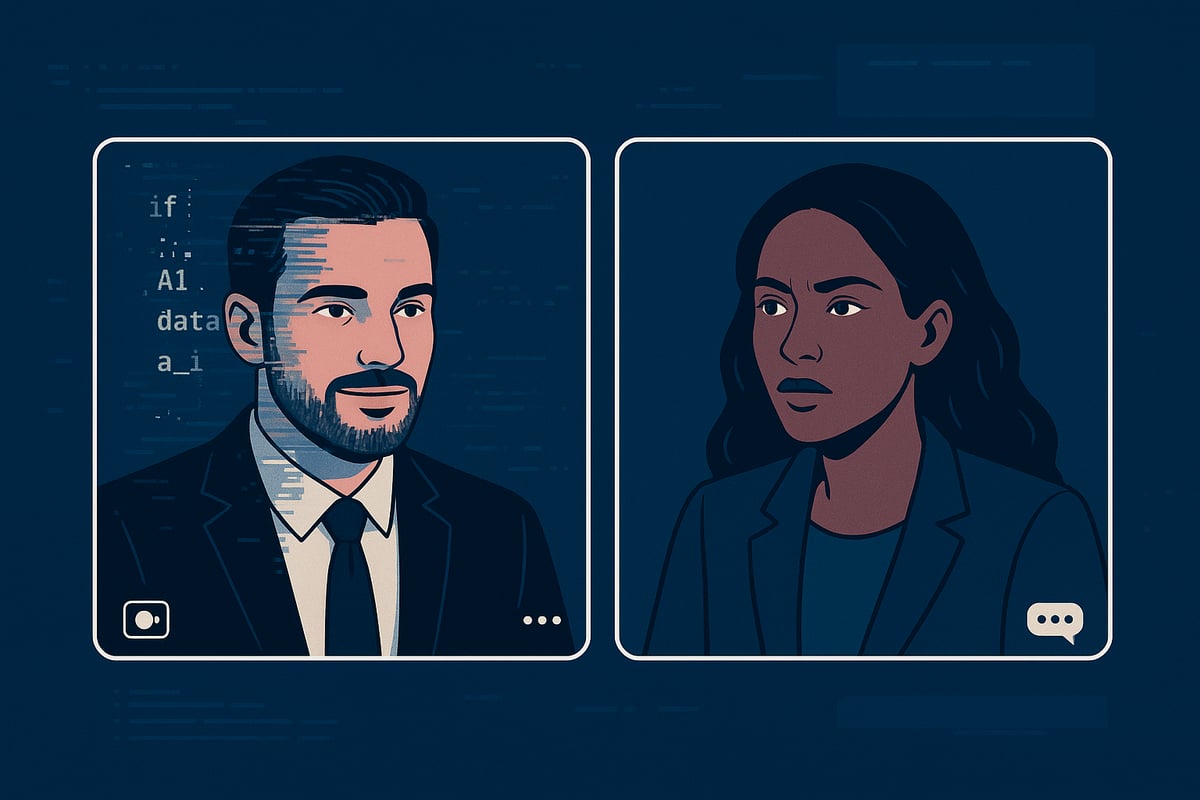
Understanding Deepfake Technology and Its Evolution
Deepfakes use artificial intelligence and machine learning to create hyper-realistic audio and video content. With the rise of Generative Adversarial Networks (GANs), face-swapping and voice synthesis have reached a level where fakes can be nearly indistinguishable from reality.
Today, deepfakes can convincingly mimic real people during interviews. For example, candidates have used deepfake technology to impersonate professionals in both live and pre-recorded interviews. According to AI job fraud statistics 2025, deepfake-related interview fraud attempts surged by over 30% in 2025. This highlights why deepfake interview detection is now a mission-critical process for businesses.
Why Deepfakes Threaten the Integrity of Virtual Interviews
Since 2020, remote and virtual interviews have become the norm. This shift has introduced new vulnerabilities that threat actors can exploit using deepfakes. The risks extend far beyond hiring the wrong person.
Organizations face several dangers:
- Hiring unqualified or fraudulent candidates
- Exposing sensitive company information
- Suffering reputational damage
One tech firm recently identified and stopped a deepfake candidate from accessing proprietary systems. This incident underscores the urgent need for robust deepfake interview detection to protect both data and brand integrity.
High-Profile Incidents and Industry Impact
Cases of deepfake misuse are no longer rare. Universities have reported deepfake-driven admissions fraud, while government agencies have faced impersonation attempts during critical hiring rounds.
These incidents come with steep consequences. Financial losses, legal challenges, and erosion of public trust can follow. In fact, 60% of HR leaders surveyed in 2025 cited deepfake fraud as their top concern for remote hiring. The growing frequency of such events demonstrates that organizations must treat deepfake interview detection as a top priority.
| Impact Area | Deepfake Risk Example | Consequence |
|---|---|---|
| University | Admissions fraud | Invalid enrollments |
| Government | Agency impersonation | Data breach |
| Private Sector | Executive role infiltration | Financial loss |
The Growing Sophistication of Deepfake Attacks
Deepfake technology is evolving rapidly, outpacing many basic detection tools. Attackers now deploy "deep voice" and "face swap" techniques specifically designed to bypass live interview verification.
High-quality deepfakes can now evade traditional security checks. This means that even experienced interviewers and standard software might miss subtle manipulations. As a result, deepfake interview detection must adapt, using advanced tools that can analyze microexpressions, voice patterns, and behavioral anomalies.
The Need for Proactive Deepfake Detection
Relying on reactive measures is no longer sustainable. The cost of missing a deepfake can be catastrophic, both financially and reputationally. Proactive deepfake interview detection involves early identification, prevention, and ongoing vigilance.
Organizations are now turning to multi-layered strategies, combining AI, human expertise, and continuous training. The rest of this guide will provide expert-driven solutions, practical steps, and the latest strategies to help you stay ahead of evolving threats.
Key Challenges in Deepfake Interview Detection
The rapid advancement of AI has made deepfake interview detection a critical concern for organizations. As deepfakes become more convincing, businesses face a host of challenges in protecting the integrity of their hiring processes.
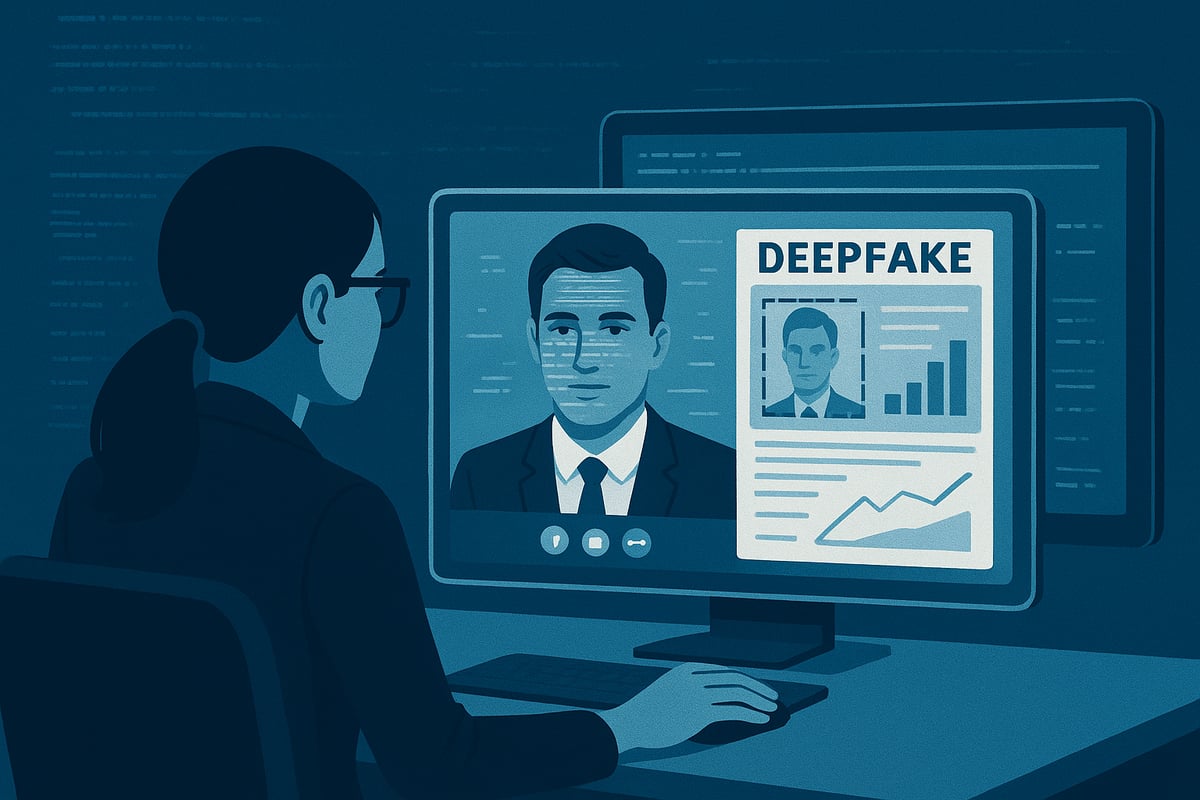
Technical Barriers to Detection
Modern deepfakes leverage advanced neural networks to create nearly flawless video and audio imitations. Deepfake interview detection tools often struggle to spot subtle manipulations, such as perfect lip-sync or microexpression mimicry.
False negatives and positives present a significant obstacle. Sometimes, genuine candidates are flagged as suspicious, while actual deepfakes pass undetected. For example, some deepfakes now replicate natural blinking patterns and nuanced facial movements, making them difficult to distinguish from authentic applicants.
Organizational Awareness and Preparedness
Many organizations underestimate the need for deepfake interview detection or rely solely on manual review. This lack of awareness leaves companies vulnerable to sophisticated fraud attempts.
Competitor data shows that untrained HR teams often overlook subtle cues unique to deepfakes. Without structured protocols or ongoing education, businesses may not recognize the risks until after an incident has occurred.
Limitations of Current Tools and Protocols
Existing solutions for deepfake interview detection vary in accuracy, accessibility, and ease of use. As deepfake technology evolves, detection tools frequently lag behind new attack methods.
Some platforms focus on either video or audio analysis, rather than combining modalities for stronger results. For a comprehensive overview of enterprise-ready solutions and their features, consult Deepfake detection tools for enterprises. The market’s rapid pace means organizations must continually evaluate and update their detection stack.
Legal, Ethical, and Privacy Considerations
Legal implications arise when hiring decisions are based on manipulated interview content. Deepfake interview detection often requires recording and analyzing sensitive candidate data, raising privacy concerns.
Balancing robust security with respect for candidate rights is essential. Organizations must comply with regulations like GDPR and CCPA, ensuring transparency about their detection practices and data use.
Overcoming the Cat-and-Mouse Game
Deepfake creators and defenders are locked in a constant race. No single deepfake interview detection tool is foolproof, so a layered approach is necessary.
Combining AI-powered analysis, human oversight, and behavioral assessments offers the best defense. Companies using multi-factor detection strategies report up to 40 percent fewer incidents, highlighting the value of adaptive security.
The Importance of Human Oversight
While technology plays a vital role, human expertise remains indispensable in deepfake interview detection. Trained professionals can spot inconsistencies in behavior, speech, or background that AI might miss.
A collaborative approach, where machine learning tools support but do not replace human judgment, ensures the most reliable outcomes for interview integrity.
Essential Tools and Technologies for Deepfake Interview Detection
The rapid evolution of deepfake interview detection tools is reshaping how organizations secure their hiring processes. As threats become more sophisticated, companies need a robust toolkit to identify and mitigate risks. This section explores leading solutions, innovative technologies, and emerging trends, providing a practical roadmap for anyone seeking to enhance their deepfake interview detection capabilities.
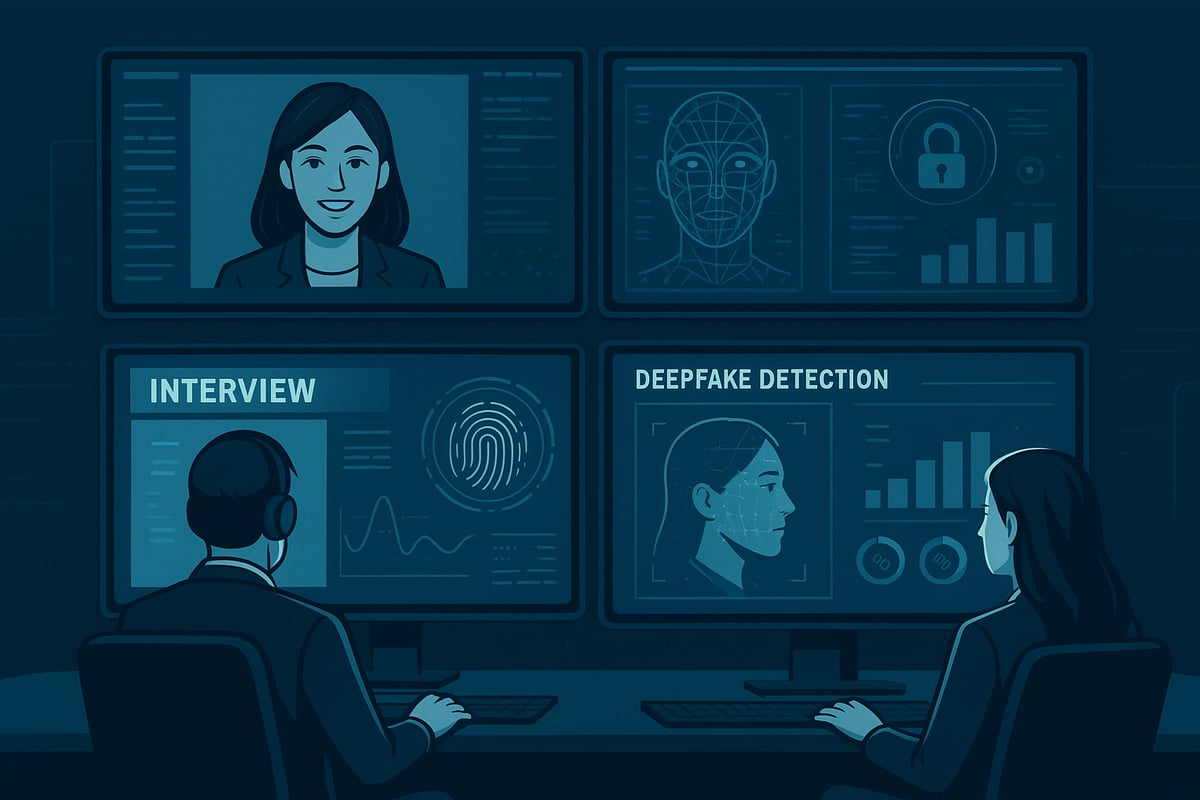
Leading Deepfake Detection Tools in 2026
Organizations now rely on a new generation of deepfake interview detection tools designed for real-time analysis and seamless workflow integration. These solutions use a blend of video, audio, and behavioral analytics to identify signs of manipulation. Popular platforms like Deepware Scanner, Sensity AI, Microsoft Video Authenticator, FaceForensics++, and Amber Authenticate lead the market.
| Tool | Key Features | Adoption Highlights |
|---|---|---|
| Deepware Scanner | Real-time video, voice analysis | Enterprise focus |
| Sensity AI | Tamper detection, confidence scoring | Fortune 500 adoption |
| Microsoft Video Authenticator | Deepfake probability scoring | Integration ready |
| FaceForensics++ | Dataset-driven detection | Benchmark standard |
| Amber Authenticate | Immutable interview records | Legal compliance |
These tools are fundamental for effective deepfake interview detection across industries.
AI and Machine Learning Approaches
AI and machine learning power the most advanced deepfake interview detection systems. Deep learning models, trained on extensive datasets, can spot subtle inconsistencies in facial movements, audio, and even text responses. Cross-modal analysis, which combines video, voice, and speech-to-text, increases accuracy.
A significant innovation is context-based detection, where systems analyze not just the voice but also the content and transcript for anomalies. For those seeking deeper technical insights, recent context-based audio deepfake detection research highlights how using transcripts improves detection of audio-based attacks.
With these advances, deepfake interview detection becomes more resilient against evolving threats.
Behavioral Biometrics and Liveness Detection
Behavioral biometrics bring a new dimension to deepfake interview detection. These systems analyze microexpressions, blink rates, speech cadence, and even mouse or eye movements during an interview. Liveness detection checks for genuine human presence, flagging suspicious behaviors or unnatural patterns.
Key benefits include:
- Real-time verification to prevent impersonation
- Detection of mismatched mannerisms and emotional cues
- Added security for high-stakes interviews
By layering behavioral biometrics with other detection methods, organizations create a more secure interview environment.
Blockchain and Immutable Verification
Blockchain technology is emerging as a secure foundation for deepfake interview detection. By storing interview recordings and verification data on a tamper-proof, distributed ledger, companies ensure authenticity and accountability.
For example, some universities and enterprises are piloting blockchain to certify the integrity of recorded interviews. This approach supports compliance needs and provides an audit trail that cannot be altered retroactively.
Integrating blockchain with deepfake interview detection instills greater trust in virtual hiring.
Integration with Recruitment Platforms
Modern recruitment platforms now embed deepfake interview detection tools directly into applicant tracking systems (ATS) and video interview software. This tight integration means HR teams can:
- Automate candidate verification steps
- Receive real-time alerts during interviews
- Maintain a seamless workflow without switching platforms
A recent trend shows 70% of large organizations planning to incorporate deepfake interview detection into their hiring tech stack by 2026. This integration streamlines security and reduces manual effort for HR teams.
Limitations and Considerations
Despite advancements, deepfake interview detection tools are not infallible. False positives and negatives still occur, requiring careful evaluation and continuous updates. Key considerations include:
- Balancing accuracy with candidate experience
- Ensuring user-friendly interfaces for HR teams
- Regularly updating systems to match new deepfake tactics
No single solution covers every scenario. Combining multiple tools and human oversight is critical for comprehensive protection.
Emerging Technologies and Future Directions
Looking ahead, deepfake interview detection will benefit from real-time, on-device analysis and adaptive AI models. These systems learn from new attack vectors as they arise, closing gaps faster than ever before.
Industry collaboration and shared datasets will drive further improvements. As detection technology becomes standard in recruitment, organizations can expect faster, more reliable protection against deepfake threats.
Expert Strategies and Best Practices for Deepfake Interview Detection
As deepfake interview detection becomes a top concern for HR and security teams, a robust strategy must combine technology, process, and people. The following expert-driven best practices offer a comprehensive framework to address evolving threats and protect organizational integrity.
Building a Layered Defense: Human and AI Collaboration
Relying solely on technology is not enough for effective deepfake interview detection. The most resilient organizations blend AI-powered detection tools with expert human oversight. Automated systems scan for facial inconsistencies, voice anomalies, or digital artifacts. However, experienced interviewers can spot subtle behavioral cues or inconsistencies missed by algorithms.
- Combine real-time AI analysis with manual video reviews.
- Cross-check results from multiple detection tools.
- Encourage collaboration between IT, HR, and security teams.
A layered approach ensures threats are caught early and false positives are minimized, making deepfake interview detection far more reliable.
Multi-Factor Identity Verification
Multi-factor verification is vital for deepfake interview detection, as it raises the barrier for would-be imposters. By requiring candidates to complete several identity checks, organizations can confirm authenticity beyond basic video presence.
- Request government-issued photo ID before interviews.
- Use biometric scans, such as live facial recognition or fingerprint verification.
- Incorporate behavioral analysis, like typing cadence or voice pattern matching.
This multi-pronged process helps ensure only legitimate candidates advance, greatly reducing the risk of deepfake interview detection failures.
Training and Education for HR Teams
Continuous training is a cornerstone of any deepfake interview detection strategy. As deepfakes evolve, so must staff awareness and skills. HR professionals need to recognize manipulations and understand how to use detection tools effectively.
- Schedule regular workshops on the latest deepfake threats.
- Share real-world case studies and hands-on tool demonstrations.
- Reference up-to-date deepfake statistics and trends 2025 to highlight the scale of the challenge.
Organizations that prioritize training experience fewer incidents and are more adept at adapting to new deepfake interview detection challenges.
Developing Clear Interview Protocols
Clear, standardized protocols are essential for consistent deepfake interview detection across all hiring stages. Every candidate should be informed about verification steps and the use of detection technology.
- Obtain explicit consent for recording and analysis.
- Clearly communicate verification measures before interviews.
- Establish escalation procedures for suspected deepfakes.
These protocols foster transparency and trust while strengthening deepfake interview detection throughout the process.
Data Security and Privacy Compliance
Protecting candidate data is as important as ensuring authenticity. Deepfake interview detection often requires storing and analyzing sensitive recordings, so compliance with privacy laws is crucial.
- Securely store all interview data with encryption.
- Limit access to authorized HR and IT personnel.
- Align policies with GDPR, CCPA, and other relevant regulations.
Balancing detection needs with privacy rights builds a foundation of trust and legal compliance.
Regular Audits and Continuous Improvement
The threat landscape for deepfake interview detection changes rapidly. Regular audits and updates to tools and protocols keep defenses strong and relevant.
- Review detection tools quarterly to ensure effectiveness.
- Update procedures based on emerging threats and feedback.
- Engage external experts for unbiased security assessments.
Organizations that audit and update their deepfake interview detection practices not only reduce vulnerabilities but also demonstrate a proactive, security-first culture.
Fostering a Culture of Vigilance
Technology and protocols alone cannot stop every threat. A vigilant culture empowers employees to recognize and report suspicious behavior. Encouraging open communication ensures that potential deepfake incidents are addressed quickly.
- Set up anonymous reporting channels.
- Reward staff for identifying risks or improvements.
- Share lessons learned from previous incidents.
A culture of vigilance supports deepfake interview detection efforts by making every employee a stakeholder in security.
How Verified AI Talent Marketplaces Enhance Interview Security
AI talent marketplaces like Augmnt offer a new layer of protection for deepfake interview detection. These platforms combine advanced AI verification with human expertise to screen candidates for resume fraud, skill misrepresentation, and identity manipulation.
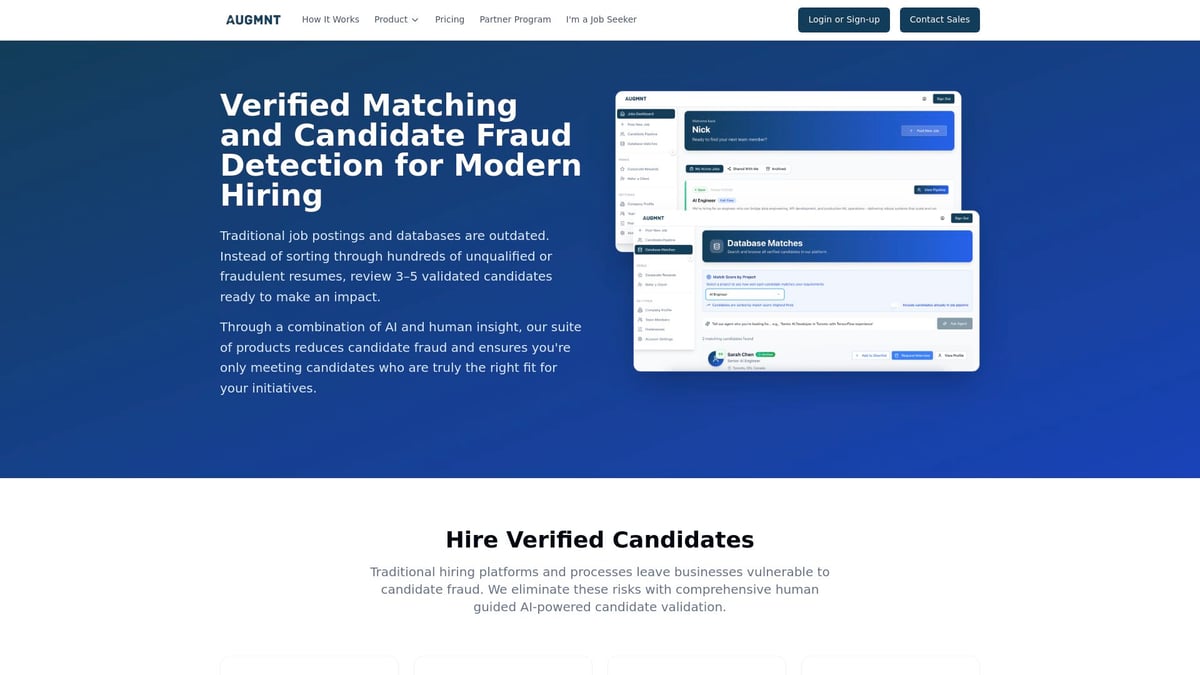
By curating a pool of authenticated professionals, Augmnt streamlines hiring while reducing risk. Integrating such solutions into recruitment workflows supports multi-layered deepfake interview detection, helping businesses stay ahead of evolving threats.
Step-by-Step Guide to Implementing Deepfake Detection in Interviews
Effectively countering the rise of deepfakes begins with a structured approach. This step-by-step guide breaks down how organizations can implement robust deepfake interview detection, ensuring every stage of your hiring process is protected.
Step 1: Assess Your Organization’s Risk Profile and Needs
Start by evaluating your organization’s specific exposure to deepfake interview detection risks. Identify which roles, departments, or functions are most vulnerable to fraudulent candidates.
- Analyze recent incidents and industry trends for your sector.
- Pinpoint high-risk positions, such as IT, finance, or executive roles.
- Review how remote hiring practices may increase vulnerability.
Understanding your risk profile allows you to tailor your deepfake interview detection strategy for maximum effectiveness.
Step 2: Select and Integrate the Right Detection Tools
Choosing the right deepfake interview detection tools is critical. Compare available solutions for accuracy, integration options, and user experience.
| Tool Name | Key Feature | Integration |
|---|---|---|
| Sensity AI | Real-time video analysis | ATS, video apps |
| Deepware Scanner | Tamper detection | Standalone/API |
| Microsoft Authenticator | Confidence scoring | Microsoft Teams |
- Prioritize tools with multi-modal detection (voice, video, behavioral).
- Ensure compatibility with your existing recruitment platforms.
- Test solutions in live scenarios before full deployment.
A well-chosen tool will serve as the backbone of your deepfake interview detection process.
Step 3: Develop Robust Interview Protocols and Verification Processes
Establish clear protocols to strengthen deepfake interview detection and candidate verification.
- Require government-issued ID verification before interviews.
- Use live facial recognition and liveness checks.
- Standardize candidate consent forms for recording and analysis.
Sample protocol (in markdown):
**Pre-Interview Checklist:**
- Verify candidate ID via secure upload.
- Schedule liveness test before main interview.
- Obtain candidate consent for AI-based detection.
Well-defined procedures help ensure consistency and transparency in your deepfake interview detection efforts.
Step 4: Train Interviewers and HR Teams
Equip your HR and hiring managers with the knowledge and skills to support deepfake interview detection.
- Conduct regular workshops on recognizing deepfake cues.
- Provide hands-on training with detection tools.
- Share real-world case studies and simulated interview scenarios.
Continuous training reduces human error and boosts the overall effectiveness of your deepfake interview detection program.
Step 5: Monitor, Audit, and Continuously Update Your Approach
Ongoing monitoring is essential for keeping your deepfake interview detection measures current.
- Schedule regular audits of interview recordings and detection tool performance.
- Stay informed about new deepfake attack methods and adapt protocols.
- Collaborate with cybersecurity experts for advanced insights.
A proactive audit schedule helps your organization stay ahead of evolving threats.
Step 6: Foster Collaboration with External Experts
Engage with external specialists to strengthen your deepfake interview detection framework.
- Partner with AI vendors for access to the latest detection technology.
- Consult legal advisors to ensure compliance with privacy laws.
- Join industry groups to share threat intelligence and best practices.
External collaboration expands your resources and expertise, supporting a stronger defense.
Step 7: Maintain Transparency and Candidate Trust
Transparency is key to building trust while implementing deepfake interview detection solutions.
- Clearly communicate your detection policies to all candidates.
- Explain how data is collected and protected.
- Offer support channels for candidate questions or concerns.
Open communication helps balance security with a positive candidate experience.
The Future of Deepfake Interview Detection: Trends and Predictions
The future of deepfake interview detection is rapidly unfolding. As threats evolve, so do the tools and strategies organizations use to protect their hiring processes. Understanding where the industry is headed is crucial for staying ahead of potential risks.
AI-Driven Enhancements and Automation
AI-driven enhancements are set to transform deepfake interview detection over the next few years. Machine learning models are becoming more accurate and faster, enabling real-time checks during live interviews. These models analyze subtle facial movements, voice inflections, and behavioral cues, reducing the risk of hiring fraud. By 2026, most enterprise platforms will have embedded deepfake interview detection, ensuring organizations can react promptly to emerging threats.
Regulatory and Compliance Developments
The regulatory landscape is also shifting, with governments recognizing the importance of deepfake interview detection in maintaining fair hiring practices. New regulations are likely to require detection protocols for sensitive positions, especially in public sector roles. Organizations must stay informed about evolving laws to ensure full compliance and avoid penalties. Adopting robust deepfake interview detection strategies will be essential to meet these new requirements and protect organizational integrity.
Industry-Wide Collaboration and Knowledge Sharing
Industry-wide collaboration is becoming a cornerstone in the fight against deepfake threats. Tech companies, academic institutions, and government agencies are joining forces to share knowledge and build databases of known attack patterns. This collective effort strengthens deepfake interview detection capabilities, allowing organizations to respond faster to new threats. Shared intelligence means that detection methods improve continuously, benefiting the entire industry.
Integration with Broader Cybersecurity Strategies
Integrating deepfake interview detection with broader cybersecurity strategies is now a best practice. Many organizations are embedding detection protocols into their overall IT security frameworks. This approach ensures that interview security does not operate in isolation but is part of a unified defense system. By linking deepfake interview detection with digital risk management, companies can more effectively safeguard sensitive information and reduce exposure to fraud.
Ethical AI and Candidate Experience
Balancing effective deepfake interview detection with a positive candidate experience is critical. Organizations must prioritize transparent consent processes and minimize false positives to maintain trust. Ethical use of AI ensures that candidates feel respected and protected throughout the hiring process. Focusing on fairness and privacy not only meets regulatory requirements but also enhances the organization's reputation as a responsible employer.
Predictions for 2026 and Beyond
Looking ahead, deepfake interview detection will become a core competency for HR and IT teams alike. Behavioral biometrics and cross-modal AI analysis will continue to advance, making detection more sophisticated. New threats will emerge, requiring constant adaptation and innovation. Real-world cases already show that proactive adoption of multi-layered detection strategies leads to significant reductions in fraud and increased confidence in virtual hiring.
As you’ve seen throughout this guide, staying ahead of deepfake interview threats takes more than just awareness—it requires the right tools, expert insight, and a proactive approach. If you’re ready to protect your hiring process and connect with verified AI professionals, there’s no better time to explore a solution designed for today’s challenges. Let’s make your recruitment not only efficient but truly secure, with a platform that brings together advanced AI detection and human expertise. Want to see how it all works in practice? Request a Demo and experience the future of candidate verification firsthand.