Candidate Identity Verification Hiring in 2026
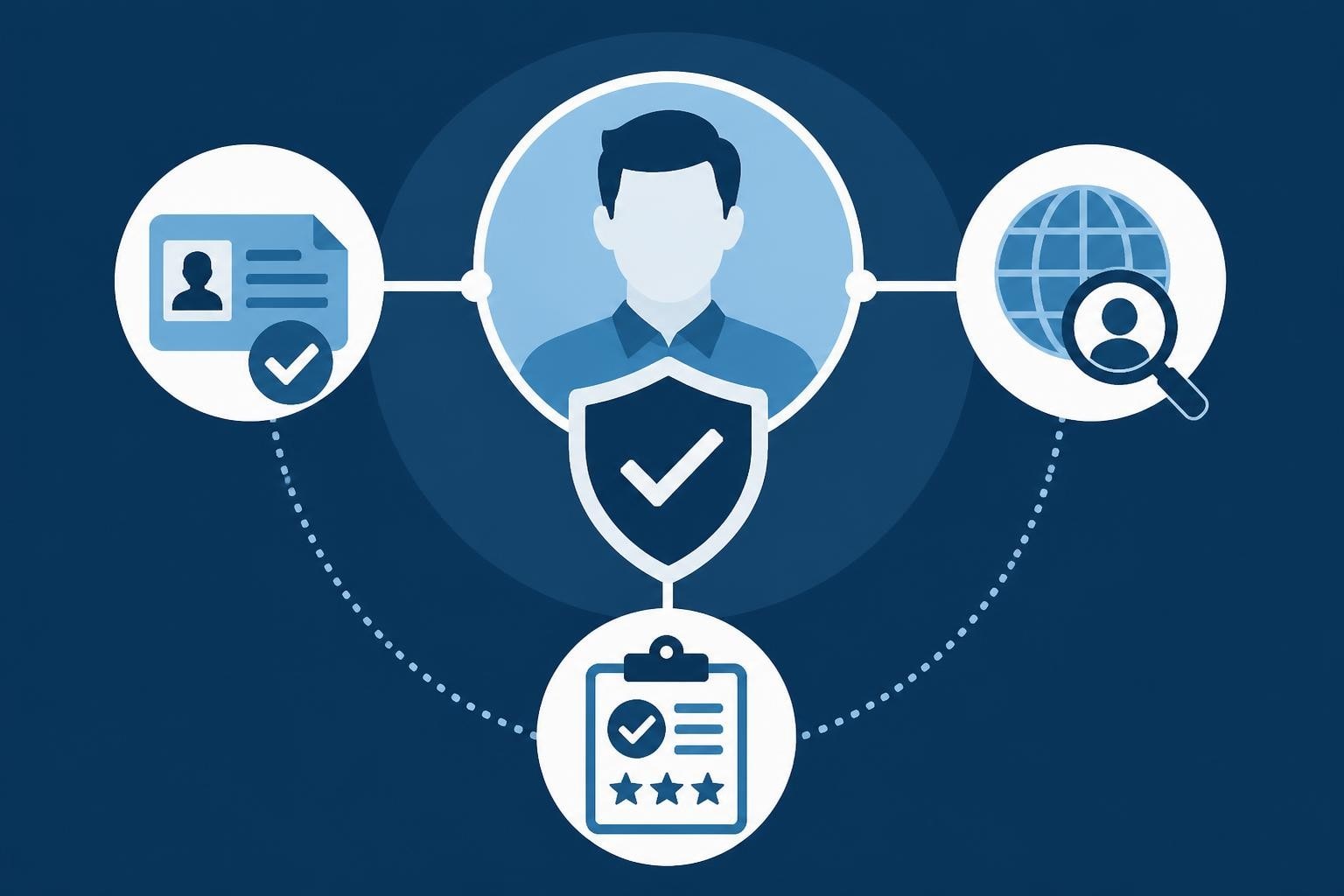
The hiring landscape has transformed dramatically as artificial intelligence capabilities have advanced. While AI tools have empowered businesses to streamline recruitment processes, they have simultaneously created opportunities for sophisticated fraud. In 2026, candidate identity verification hiring has become a critical component of responsible recruitment strategies, protecting organizations from the financial and operational risks associated with fraudulent applications. As companies increasingly rely on remote hiring and global talent pools, implementing robust verification processes is no longer optional but essential for maintaining hiring integrity and organizational security.
The Growing Crisis of Hiring Fraud
The statistics are staggering and continue to worsen each year. Employers report that candidates faking identities with AI are outsmarting them, with fraudulent hires costing companies thousands of dollars per incident. This represents just the direct financial impact, without accounting for lost productivity, compromised projects, and potential security breaches.
Types of Fraud in Modern Hiring
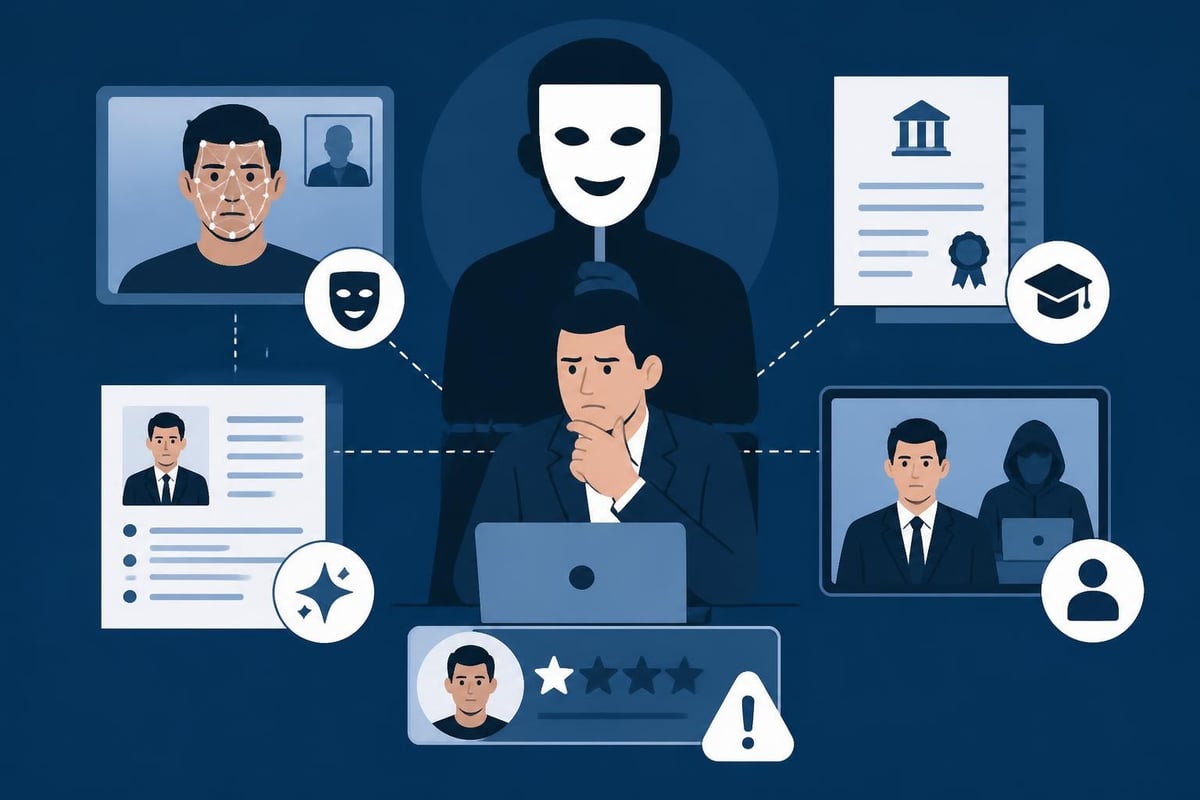
Today's hiring fraud extends far beyond simple resume embellishment. Sophisticated candidates now employ multiple deception tactics:
- Identity impersonation during video interviews using deepfake technology
- Credential fabrication including fake degrees, certifications, and work history
- Skill misrepresentation where candidates claim expertise they lack
- Proxy interviewing where skilled individuals complete interviews on behalf of unqualified candidates
- AI-generated application materials that mask genuine capabilities
The proliferation of generative AI tools has lowered the barrier to entry for these fraudulent activities. What once required technical expertise can now be accomplished with readily available software and services.
The Financial Impact of Inadequate Verification
When organizations fail to implement comprehensive candidate identity verification hiring protocols, the consequences extend throughout the business. The direct costs include wasted salary payments, recruitment expenses, and onboarding investments. However, the indirect costs often prove more damaging.
Project delays occur when hired candidates cannot perform required tasks, forcing teams to compensate or restart recruitment. Team morale suffers as colleagues shoulder additional workload or lose confidence in leadership decisions. Client relationships deteriorate when deliverables fail to meet standards due to unqualified personnel.
| Impact Category | Typical Cost Range | Long-Term Effects |
|---|---|---|
| Direct hiring costs | $15,000 - $50,000 | Recruitment budget strain |
| Lost productivity | $25,000 - $100,000 | Project timeline delays |
| Team disruption | $10,000 - $40,000 | Decreased morale |
| Reputational damage | Unmeasurable | Client relationship loss |
These figures reflect conservative estimates for mid-level positions. For senior roles or specialized technical positions in AI and technology sectors, the financial impact multiplies significantly.
Essential Components of Identity Verification
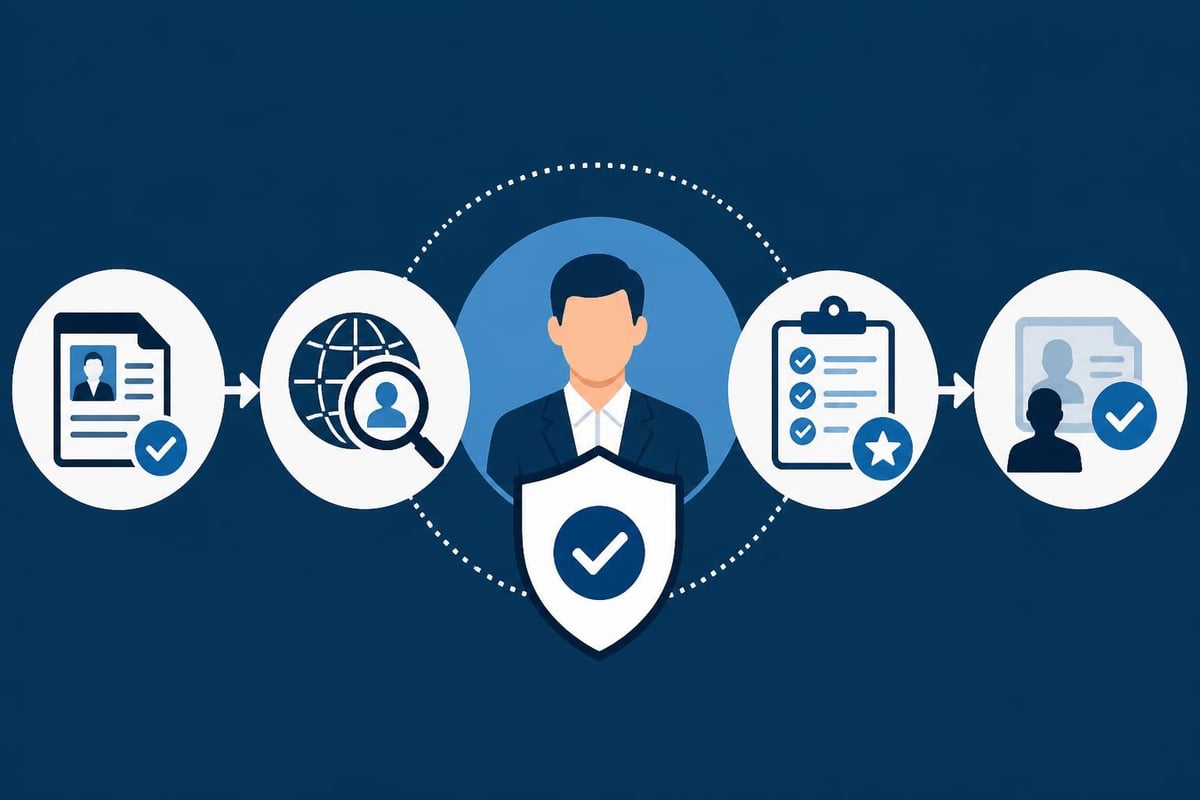
Effective candidate identity verification hiring requires a multi-layered approach that addresses different fraud vectors. Single-point verification methods no longer provide adequate protection against sophisticated deception tactics.
Document Authentication
The foundation of identity verification begins with validating government-issued identification documents. Advanced verification systems analyze security features, detect alterations, and cross-reference information across databases. Identity verification services have evolved to include optical character recognition, biometric matching, and liveness detection to prevent the use of static images or deepfakes.
Modern verification platforms can detect:
- Photo substitution or manipulation
- Document forgery and alteration
- Inconsistencies in personal information
- Expired or invalid credentials
- Duplicate or fraudulent document numbers
Digital Footprint Analysis
Beyond physical document verification, comprehensive candidate identity verification hiring examines digital presence consistency. This involves analyzing professional profiles, online activity patterns, and digital behavior to confirm identity authenticity.
LinkedIn profile verification checks employment history, connection networks, and activity patterns. Genuine professionals typically have established networks with mutual connections, regular engagement, and profiles that have evolved over time. Fabricated identities often show recent creation dates, sparse connections, and limited interaction history.
GitHub and technical portfolios provide additional verification layers for technical roles. Code contributions, project histories, and community engagement offer tangible evidence of skills and experience. These platforms create difficult-to-fake digital trails that support identity claims.
Skills Assessment Integration
Verification extends beyond confirming who someone is to validating what they can do. Practical skills assessments conducted in controlled environments prevent proxy completion while confirming technical capabilities.
Real-time coding challenges, video-monitored assessments, and interactive problem-solving sessions ensure the person being hired possesses claimed competencies. Research on blockchain-based certification systems demonstrates how distributed verification can create tamper-proof skill validation records.
Technology Solutions for Verification Challenges
The same technological advances that enable fraud also provide powerful tools for detection and prevention. Organizations implementing candidate identity verification hiring now leverage artificial intelligence, machine learning, and biometric technologies to stay ahead of fraudulent tactics.
AI-Powered Fraud Detection
Machine learning algorithms analyze application patterns to identify anomalies that suggest fraudulent activity. These systems examine hundreds of data points including writing style consistency, application timing patterns, and behavioral indicators that human reviewers might miss.
Research on AI-assisted candidate evaluation shows promise in assessing truthfulness and authenticity, though organizations must balance automated detection with human oversight to avoid false positives that could exclude legitimate candidates.
Biometric Verification Systems
Facial recognition, voice analysis, and behavioral biometrics create unique candidate signatures that prevent impersonation. During video interviews, these systems continuously verify that the same individual remains present throughout the conversation.
Advanced platforms incorporate:
- Liveness detection to prevent the use of photos or pre-recorded videos
- Voice pattern matching to identify inconsistencies across multiple interviews
- Behavioral analysis tracking typing patterns and interaction styles
- Device fingerprinting to detect suspicious access patterns
Integrated Verification Platforms
Rather than cobbling together disparate verification tools, forward-thinking organizations adopt comprehensive platforms that streamline candidate identity verification hiring. For those seeking advanced fraud prevention capabilities, Augmnt ATS provides verified matching and candidate fraud detection specifically designed for modern hiring challenges, integrating multiple verification layers into a unified workflow.
Implementing Verification Without Friction
The challenge for organizations lies in implementing thorough verification processes without creating candidate experience friction that drives top talent away. Effective candidate identity verification hiring balances security requirements with user-friendly processes.
Progressive Verification Approaches
Rather than overwhelming candidates with extensive verification upfront, progressive systems introduce verification steps at appropriate stages. Initial applications might require basic identity confirmation, with deeper verification occurring only after initial screening success.
This staged approach includes:
- Application stage: Basic email and profile verification
- Screening stage: Professional background confirmation
- Interview stage: Identity document validation and biometric verification
- Offer stage: Comprehensive background checks and credential verification
Transparency and Communication
Candidates respond positively to verification requirements when organizations clearly communicate their purpose and process. Explaining that verification protects both the company and legitimate candidates from fraud builds understanding and cooperation.
Effective communication addresses:
- Why verification is necessary in today's hiring environment
- What specific information will be collected and verified
- How long the verification process typically takes
- What privacy protections are in place for sensitive data
- Who has access to verification information
Regulatory Compliance and Privacy Considerations
Candidate identity verification hiring must navigate complex regulatory landscapes that vary by jurisdiction. Organizations operating internationally face particularly challenging compliance requirements as they balance verification thoroughness with privacy regulations.
GDPR and Data Protection
European regulations impose strict requirements on collecting, processing, and storing personal information. Verification processes must demonstrate legitimate interest, obtain proper consent, and limit data retention to necessary periods.
Right to erasure requirements mean organizations must establish clear data lifecycle policies. Verification information collected during unsuccessful applications typically requires deletion within specified timeframes unless candidates explicitly consent to future consideration.
Equal Employment Opportunity
Verification processes must not create disparate impact on protected classes. Background screening services must be implemented consistently across all candidates to avoid discrimination claims.
Organizations should regularly audit verification processes to ensure:
- Consistent application across all candidate demographics
- Absence of bias in automated screening algorithms
- Reasonable accommodation for candidates with disabilities
- Fair evaluation of international credentials and documentation
Building a Verification Framework
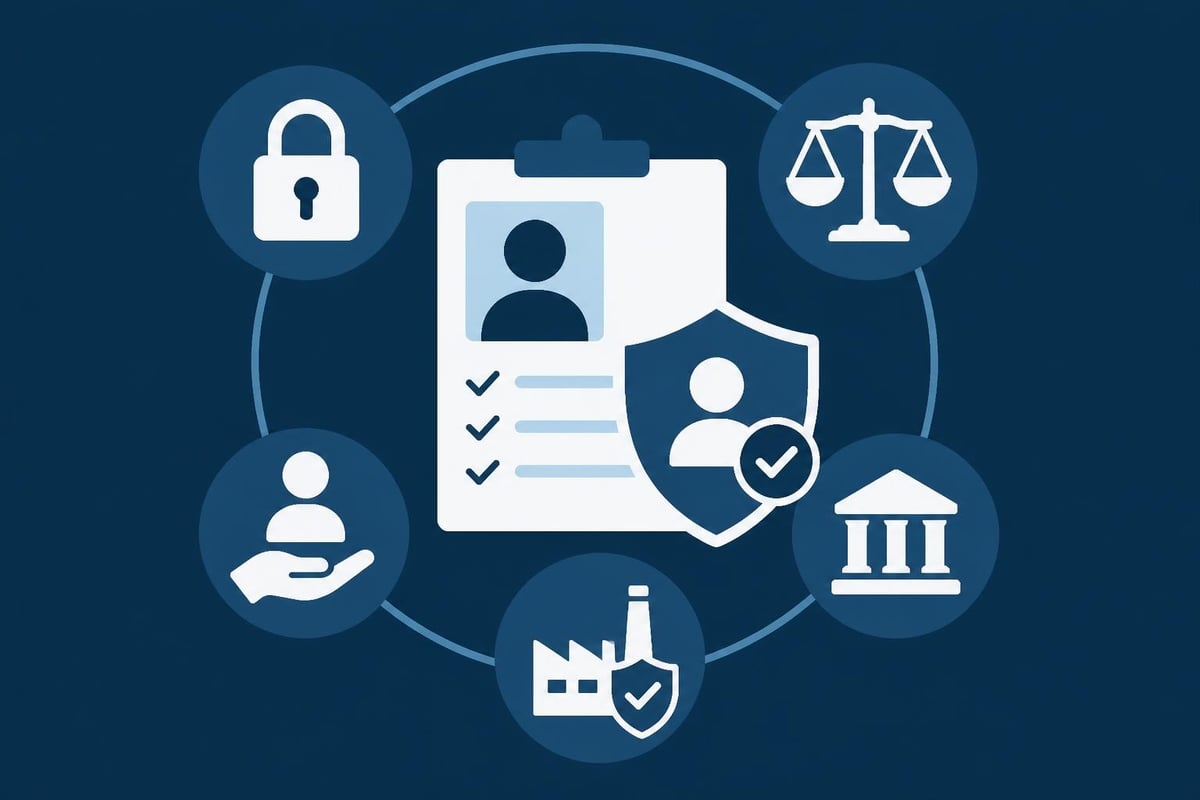
Organizations implementing comprehensive candidate identity verification hiring should develop structured frameworks that align with their specific risk profiles and hiring needs. A technology startup hiring remote developers faces different fraud risks than a healthcare organization recruiting clinical staff.
Risk Assessment and Prioritization
Begin by evaluating which positions present the greatest fraud risk and potential impact. Senior technical roles, positions with access to sensitive data, and remote positions typically warrant more extensive verification.
| Position Type | Fraud Risk Level | Recommended Verification Depth |
|---|---|---|
| Entry-level local | Low | Basic identity and credential verification |
| Mid-level remote | Medium | Enhanced identity, skills assessment, reference verification |
| Senior technical | High | Comprehensive multi-layer verification including continuous monitoring |
| Executive leadership | Very High | Full background investigation, financial verification, reference deep-dive |
Vendor Selection and Integration
Organizations rarely build verification systems from scratch, instead selecting specialized vendors that integrate with existing ATS platforms and hiring workflows. Key evaluation criteria include accuracy rates, processing speed, compliance certifications, and integration capabilities.
The most effective solutions provide:
- Real-time verification results to maintain hiring momentum
- API integration with existing HR technology stacks
- Customizable verification workflows matching organizational requirements
- Comprehensive audit trails for compliance documentation
- Ongoing monitoring capabilities for continuous verification
Future Trends in Verification Technology
The candidate identity verification hiring landscape continues to evolve as both fraud techniques and detection technologies advance. Organizations must stay informed about emerging trends to maintain effective protection.
Decentralized Identity Solutions
Blockchain-based identity systems promise to give candidates control over their verified credentials while allowing employers to confirm authenticity. Blockchain verification models for academic credentials demonstrate how distributed ledgers can prevent qualification fraud while protecting candidate privacy.
These systems enable candidates to accumulate verified credentials throughout their careers, reducing redundant verification requests while increasing confidence in presented qualifications.
Continuous Authentication
Rather than point-in-time verification, emerging systems provide ongoing authentication throughout the employment lifecycle. Behavioral biometrics and activity monitoring detect potential account compromises or unauthorized access to systems and information.
While raising privacy considerations, continuous verification proves particularly valuable for remote positions where physical security controls are absent. Organizations must balance security benefits against employee privacy rights and workplace monitoring concerns.
AI Ethics and Bias Mitigation
As verification systems increasingly incorporate artificial intelligence, organizations must address potential algorithmic bias. Research on large language models in hiring decisions highlights challenges related to accuracy and fairness in automated evaluation systems.
Responsible implementation includes:
- Regular algorithmic audits for disparate impact
- Human review of automated verification decisions
- Transparent disclosure of AI usage in verification
- Candidate rights to challenge automated decisions
- Ongoing bias testing across demographic groups
Integration with Broader Hiring Strategies
Effective candidate identity verification hiring doesn't exist in isolation but integrates with comprehensive talent acquisition strategies. Verification provides the foundation for confident hiring decisions while supporting other recruitment objectives.
Candidate Experience Optimization
Verification processes should enhance rather than impede positive candidate experiences. Modern candidates expect secure, professional hiring processes and often view verification requirements as indicators of organizational maturity and legitimacy.
Organizations can optimize experiences by:
- Providing clear timeline expectations for verification completion
- Offering multiple verification options to accommodate candidate preferences
- Maintaining regular communication throughout the verification process
- Respecting candidate time with efficient, streamlined procedures
- Protecting candidate privacy through secure data handling
Building Employer Brand
Publicizing commitment to hiring integrity strengthens employer brand among quality candidates who value fair competition for positions. Organizations known for rigorous verification attract candidates confident in their genuine qualifications while deterring those considering fraudulent applications.
This reputation effect creates a virtuous cycle where verification requirements pre-screen applicant pools, reducing fraud attempts while concentrating applications from qualified, honest candidates. For hiring managers focused on building high-performing teams, this self-selection effect significantly improves candidate pool quality.
Measuring Verification Effectiveness
Organizations must track metrics to evaluate whether candidate identity verification hiring initiatives deliver expected results. Without measurement, businesses cannot justify verification investments or identify improvement opportunities.
Key Performance Indicators
Fraud detection rate measures the percentage of applications flagged for fraudulent activity. Tracking this metric over time reveals whether fraud attempts are increasing and whether verification systems effectively identify suspicious candidates.
Time-to-verify indicates how long verification processes delay hiring decisions. Extended verification timelines risk losing quality candidates to competitors with faster processes, requiring organizations to balance thoroughness with speed.
False positive rate captures how often verification systems incorrectly flag legitimate candidates as fraudulent. High false positive rates create candidate experience problems and potentially expose organizations to discrimination claims.
Cost per verification enables ROI analysis by comparing verification expenses against prevented fraud losses. This metric helps organizations optimize verification depth based on position risk levels.
Continuous Improvement Processes
Regular review of verification outcomes identifies system weaknesses and improvement opportunities. When fraudulent candidates slip through verification, post-incident analysis determines which detection methods failed and how processes should evolve.
Organizations should establish quarterly review cycles examining:
- Recent fraud attempts and successful detections
- False positive incidents and root causes
- Verification timeline performance against targets
- Candidate feedback on verification experiences
- Emerging fraud techniques requiring new countermeasures
Training and Team Enablement
Technology alone cannot ensure effective candidate identity verification hiring. Human judgment remains essential for interpreting verification results, identifying subtle fraud indicators, and making final hiring decisions.
Recruiter Education
Recruitment teams need training on fraud indicators, verification technology capabilities, and proper escalation procedures when suspicious applications arise. Many fraud attempts succeed because recruiters lack awareness of what constitutes suspicious patterns.
Effective training programs cover:
- Common fraud tactics and red flags in applications
- How to interpret verification system outputs
- When to request additional verification steps
- Legal considerations around verification requirements
- Privacy and data protection responsibilities
Interview Panel Preparation
Interview participants should understand their role in ongoing verification, particularly during video interviews where identity confirmation occurs in real-time. Panel members need awareness of deepfake indicators, proxy interview signs, and appropriate verification questions.
Protecting your organization from hiring fraud requires comprehensive verification strategies that balance security with candidate experience. As fraudulent tactics grow more sophisticated, the organizations that thrive will be those that implement proactive, multi-layered candidate identity verification hiring systems. Augmnt combines AI-powered fraud detection with human expertise to ensure you connect only with verified, qualified AI professionals, eliminating the risks and costs associated with fraudulent hires while streamlining your recruitment process.