
Recruiting Automation Software: 2026 Guide
The talent acquisition landscape has transformed dramatically over the past few years, with recruiting automation software emerging as a critical infrastructure component for organizations seeking competitive advantages in hiring. As businesses compete for specialized talent in fields like artificial intelligence, machine learning, and data science, manual recruitment processes have become bottlenecks that limit growth and innovation. Modern recruiting automation software addresses these challenges by streamlining repetitive tasks, enhancing candidate experiences, and enabling talent teams to focus on strategic relationship-building rather than administrative work.
Understanding Recruiting Automation Software
Recruiting automation software encompasses a suite of technologies designed to digitize and optimize various stages of the talent acquisition process. These platforms integrate multiple functions into cohesive systems that reduce manual intervention while maintaining quality control throughout hiring workflows.
At its core, this software automates tasks such as resume parsing, candidate screening, interview scheduling, and communication tracking. Advanced solutions incorporate artificial intelligence and machine learning algorithms to match candidates with job requirements, predict hiring success, and identify potential issues like resume fraud or skill misrepresentation.
The technology typically includes several key components:
- Applicant tracking systems that centralize candidate data
- Automated communication tools for personalized outreach
- Assessment platforms for skill verification
- Analytics dashboards for performance monitoring
- Integration capabilities with existing HR technology stacks
Organizations implementing recruiting automation software report significant improvements in time-to-hire metrics, candidate quality, and recruiter productivity. However, the true value extends beyond efficiency gains to encompass strategic advantages in talent market positioning and employer branding.
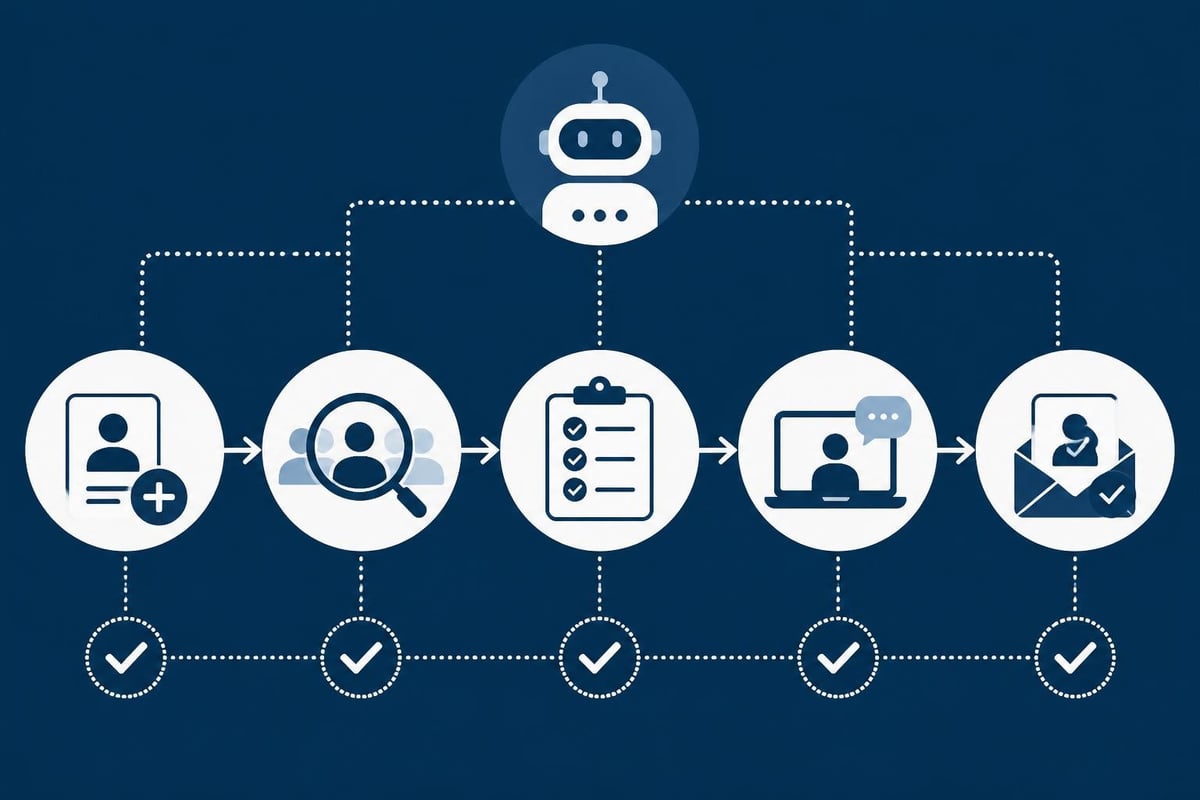
Core Features That Drive Recruiting Efficiency
Modern recruiting automation software delivers value through sophisticated feature sets that address specific pain points in talent acquisition. Understanding these capabilities helps organizations evaluate solutions and maximize return on investment.
Intelligent Candidate Sourcing
Automated sourcing tools continuously scan job boards, professional networks, and internal databases to identify potential candidates matching predefined criteria. These systems use Boolean search logic and AI-powered matching algorithms to surface relevant profiles without manual searching.
Passive candidate engagement represents a particularly valuable capability, as automation enables consistent outreach to talent pools even when recruiters focus on active searches. This multi-channel approach maintains talent pipeline health while reducing sourcing time by up to 70%.
Resume Screening and Parsing
Resume parsing technology extracts structured data from unstructured documents, converting PDFs and Word files into standardized candidate profiles. Advanced parsing engines recognize multiple formats, languages, and resume structures to ensure comprehensive data capture.
Screening automation applies customizable filters based on experience levels, skills, education credentials, and other qualifications. The best recruitment platforms in 2026 offer nuanced screening that considers context rather than simple keyword matching, reducing false negatives and ensuring qualified candidates advance.
| Feature | Basic Automation | Advanced AI-Powered |
|---|---|---|
| Resume Parsing | Keyword extraction | Contextual understanding |
| Screening Logic | Rule-based filters | Predictive matching |
| Candidate Ranking | Manual scoring | ML-based prioritization |
| Fraud Detection | Limited verification | Comprehensive validation |
Communication Automation
Candidate communication represents one of the most time-intensive aspects of recruitment. Automation platforms schedule emails, text messages, and chat interactions based on candidate actions and timeline milestones.
Personalization capabilities ensure that automated messages maintain authentic tones and relevant content. Variables like candidate names, job titles, and company information populate templates dynamically. Recent advancements in conversational AI have enabled chatbot assistants to handle initial candidate questions, schedule interviews, and provide status updates without recruiter involvement.
Workday's acquisition of Paradox in 2025 highlighted the growing importance of conversational interfaces in recruitment automation, signaling that interactive, AI-driven communication will become standard across enterprise platforms.
Implementation Strategies for Maximum Impact
Successfully deploying recruiting automation software requires thoughtful planning and change management. Organizations that approach implementation systematically achieve faster adoption and better outcomes than those pursuing ad-hoc rollouts.
Assessment and Planning Phase
Begin by mapping current recruitment workflows to identify automation opportunities. Document time spent on various activities, pain points in existing processes, and key performance indicators that will measure success.
Stakeholder alignment proves critical during this phase. Involve recruiters, hiring managers, IT teams, and executives in requirement gathering to ensure the selected solution addresses actual needs rather than perceived ones.
Consider these planning questions:
- Which recruitment stages consume the most manual effort?
- What integration requirements exist with current HR systems?
- How will candidate data security and privacy be maintained?
- What training resources will team members need?
- Which metrics will demonstrate ROI?
Platform Selection Criteria
Evaluate recruiting automation software against specific organizational requirements rather than generic feature checklists. Different platforms excel in different areas, making alignment between capabilities and needs essential.
Key evaluation dimensions include:
- Scalability to accommodate hiring volume fluctuations
- Customization options for unique workflows
- User experience for both recruiters and candidates
- Analytics depth for data-driven decision making
- Vendor stability and product roadmap clarity
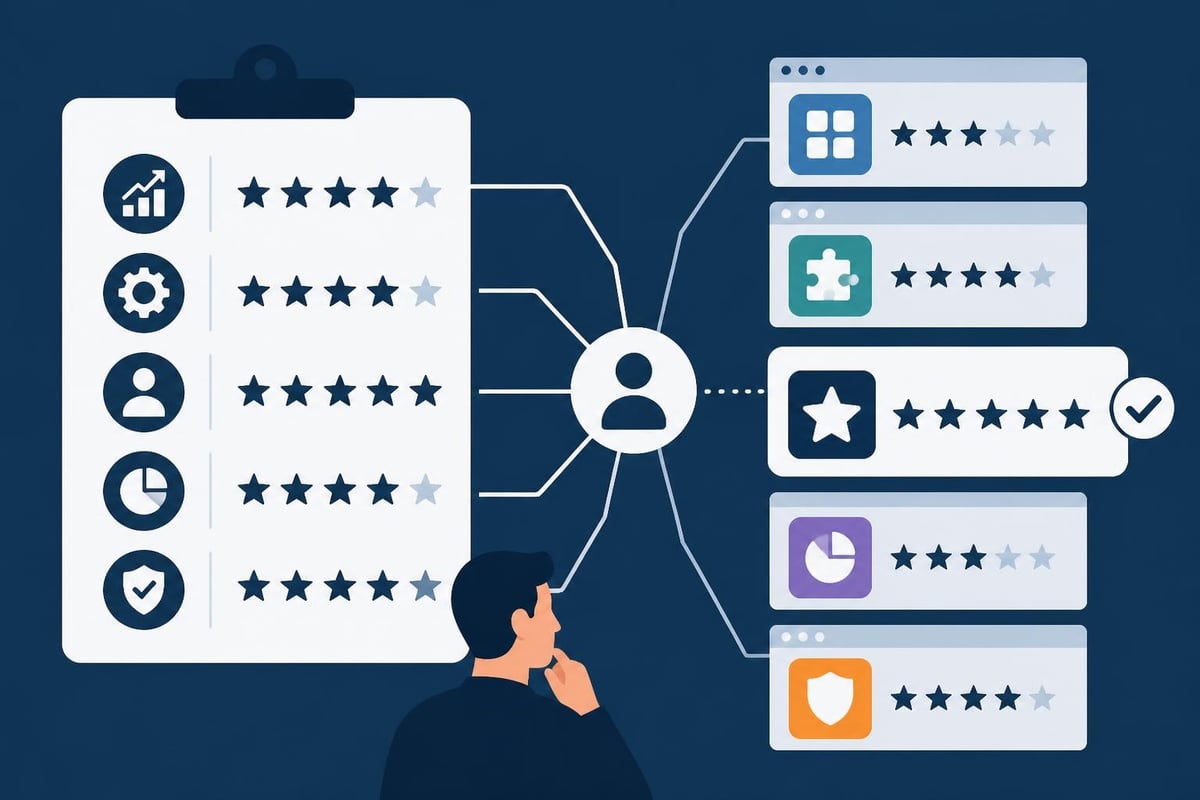
For organizations hiring specialized technical talent, capabilities like skill verification and credential validation become paramount. The Augmnt ATS exemplifies platforms designed specifically for technical recruitment, incorporating verified matching and candidate fraud detection to ensure that AI professionals and other technical candidates possess claimed competencies.
Integration and Data Migration
Technical implementation involves connecting recruiting automation software to existing systems including HRIS platforms, payroll software, background check services, and job boards. API availability and pre-built integrations determine implementation complexity and timeline.
Data migration from legacy systems requires careful attention to data quality, field mapping, and historical record preservation. Establish clear data governance policies addressing candidate information retention, consent management, and cross-border data transfer compliance.
Measuring Success and Optimizing Performance
Deploying recruiting automation software represents the beginning rather than the end of transformation. Continuous measurement and optimization ensure sustained value delivery and identify opportunities for enhanced performance.
Key Performance Indicators
Track metrics that reflect both efficiency improvements and quality outcomes. Balanced scorecards prevent over-optimization of speed metrics at the expense of candidate quality or experience.
Essential KPIs include:
- Time-to-fill from requisition opening to offer acceptance
- Cost-per-hire incorporating both direct and indirect expenses
- Quality-of-hire measured through performance ratings and retention
- Candidate satisfaction via surveys and feedback scores
- Sourcing channel effectiveness showing ROI by talent source
Advanced analytics capabilities enable cohort analysis, predictive modeling, and trend identification. Organizations leveraging these insights make proactive adjustments to sourcing strategies, screening criteria, and engagement approaches.
| Metric Category | Traditional Manual | With Automation | Improvement |
|---|---|---|---|
| Average Time-to-Fill | 42 days | 28 days | 33% faster |
| Cost-per-Hire | $4,200 | $2,800 | 33% reduction |
| Recruiter Capacity | 30 roles/year | 50 roles/year | 67% increase |
| Candidate Response Rate | 15% | 28% | 87% improvement |
Continuous Improvement Processes
Establish regular review cycles to assess recruiting automation software performance and identify optimization opportunities. Monthly or quarterly reviews should examine system utilization, bottleneck identification, and feature adoption rates.
Gather feedback from multiple perspectives including recruiters using the platform daily, hiring managers receiving candidate slates, and candidates experiencing the process. This multi-stakeholder input reveals blind spots and improvement priorities.
Testing and experimentation accelerate optimization. A/B test different email templates, screening criteria, and engagement sequences to determine what drives better outcomes. Document learnings and scale successful approaches across the organization.
Addressing Challenges and Ethical Considerations
While recruiting automation software delivers substantial benefits, implementation introduces challenges requiring proactive management. Organizations that anticipate these issues and develop mitigation strategies avoid common pitfalls.
Bias and Fairness Concerns
Automated screening algorithms can perpetuate or amplify existing biases when trained on historical hiring data reflecting discriminatory patterns. Regular bias audits, diverse training data sets, and algorithmic transparency help mitigate these risks.
Research on AI systems guiding job seekers demonstrates that properly designed automation can actually improve hiring fairness by standardizing evaluations and reducing subjective judgments. The key lies in intentional design and ongoing monitoring.
Implement these bias prevention practices:
- Audit screening criteria for protected class correlation
- Use diverse candidate pools for algorithm training
- Maintain human oversight of automated decisions
- Document decision logic for transparency
- Regularly test for disparate impact across demographics
Candidate Experience Balance
Automation should enhance rather than dehumanize the candidate experience. Excessive automation without personal touchpoints creates transactional interactions that damage employer brands and deter top talent.
Balance efficiency with empathy by reserving human interaction for high-value moments like exploratory conversations, final interviews, and offer negotiations. Use automation for administrative tasks while preserving personal connection for relationship-building.
Transparency about automation also builds trust. Candidates appreciate knowing when they interact with chatbots versus humans and understanding how their applications are evaluated.
Technology Dependence and Resilience
Over-reliance on recruiting automation software creates vulnerabilities when systems experience outages or performance issues. Maintain documented backup processes and ensure recruiters retain fundamental skills for manual execution when necessary.
Regular training on system-independent recruitment best practices ensures teams can adapt when technology changes or fails. This resilience proves particularly valuable during platform migrations or vendor transitions.

Future Trends Shaping Recruiting Automation
The recruiting automation software landscape continues evolving rapidly as new technologies mature and market demands shift. Understanding emerging trends helps organizations prepare for next-generation capabilities and maintain competitive positioning.
Generative AI Integration
Large language models enable sophisticated content generation for job descriptions, personalized outreach messages, and candidate feedback. These capabilities reduce content creation time while maintaining quality and consistency across communications.
Conversational AI advances beyond simple chatbots to conduct preliminary screening interviews, assess communication skills, and provide candidate coaching. These interactions generate rich data sets for evaluating cultural fit and soft skills traditionally requiring human assessment.
Predictive Analytics Advancement
Machine learning models increasingly predict candidate success, flight risk, and cultural alignment based on profile data and assessment results. These predictions enable proactive interventions and more informed hiring decisions.
Predictive sourcing identifies when competitors may lay off talent or when passive candidates may become receptive to opportunities. This market intelligence allows strategic timing of outreach efforts for maximum effectiveness.
Skills-Based Hiring Emphasis
Recruiting automation software increasingly focuses on verified skills rather than credentials and pedigree. As highlighted in discussions about technical talent recruitment, skill validation and fraud detection capabilities distinguish modern platforms from legacy applicant tracking systems.
Assessment automation, project-based evaluations, and portfolio analysis replace degree requirements and experience checklists. This shift expands talent pools while improving prediction of job performance.
Organizations can explore integration options that connect recruiting automation software with skill verification platforms, background check services, and assessment tools for comprehensive candidate validation.
Building Internal Expertise and Change Management
Technology alone does not guarantee recruiting transformation success. Organizational readiness, user adoption, and capability development determine whether recruiting automation software delivers promised value.
Training and Enablement Programs
Comprehensive training ensures recruiters, hiring managers, and other stakeholders understand platform capabilities and best practices. Structured programs should cover technical functionality, process changes, and strategic opportunity identification.
Role-based training addresses specific use cases rather than generic platform overviews. Recruiters need deep functional knowledge while hiring managers require lighter training focused on their interaction points like candidate review and feedback submission.
Ongoing enablement through regular workshops, office hours, and knowledge base resources maintains proficiency as platforms evolve and new features launch.
Change Leadership and Communication
Executive sponsorship signals organizational commitment and accelerates adoption. Leaders should articulate the strategic rationale for automation, expected benefits, and success measures.
Transparent communication about process changes, timeline expectations, and support availability reduces resistance and anxiety. Acknowledge concerns about job displacement and clarify how automation enhances rather than replaces recruiter roles.
Celebrate early wins and share success stories demonstrating tangible value. Recognition of teams and individuals who effectively leverage automation reinforces desired behaviors and builds momentum.
Community Building and Knowledge Sharing
Internal communities of practice facilitate peer learning and collaborative problem-solving. Regular forums where recruiters share tips, discuss challenges, and demonstrate innovative uses of automation accelerate collective capability development.
Cross-functional collaboration between recruitment, IT, and data analytics teams ensures technical optimization and strategic alignment. These partnerships identify enhancement opportunities and troubleshoot issues efficiently.
External networking through industry associations, vendor user groups, and professional communities provides exposure to emerging practices and comparative benchmarking opportunities. Learning from peers implementing similar technologies accelerates maturity curves.
Recruiting automation software has transitioned from experimental technology to essential infrastructure for modern talent acquisition. Organizations that strategically implement these platforms gain significant advantages in hiring speed, candidate quality, and recruiter productivity while those relying on manual processes face mounting competitive disadvantages.
As the demand for specialized technical talent continues growing, particularly in artificial intelligence and machine learning fields, automated recruiting capabilities become even more critical for accessing qualified candidates efficiently. Augmnt combines intelligent automation with human expertise to connect businesses with verified AI professionals, offering comprehensive candidate validation including resume fraud detection and skill verification that enhances every stage of the recruitment lifecycle.