ML Consultants: Your Guide to Expert Hiring in 2026
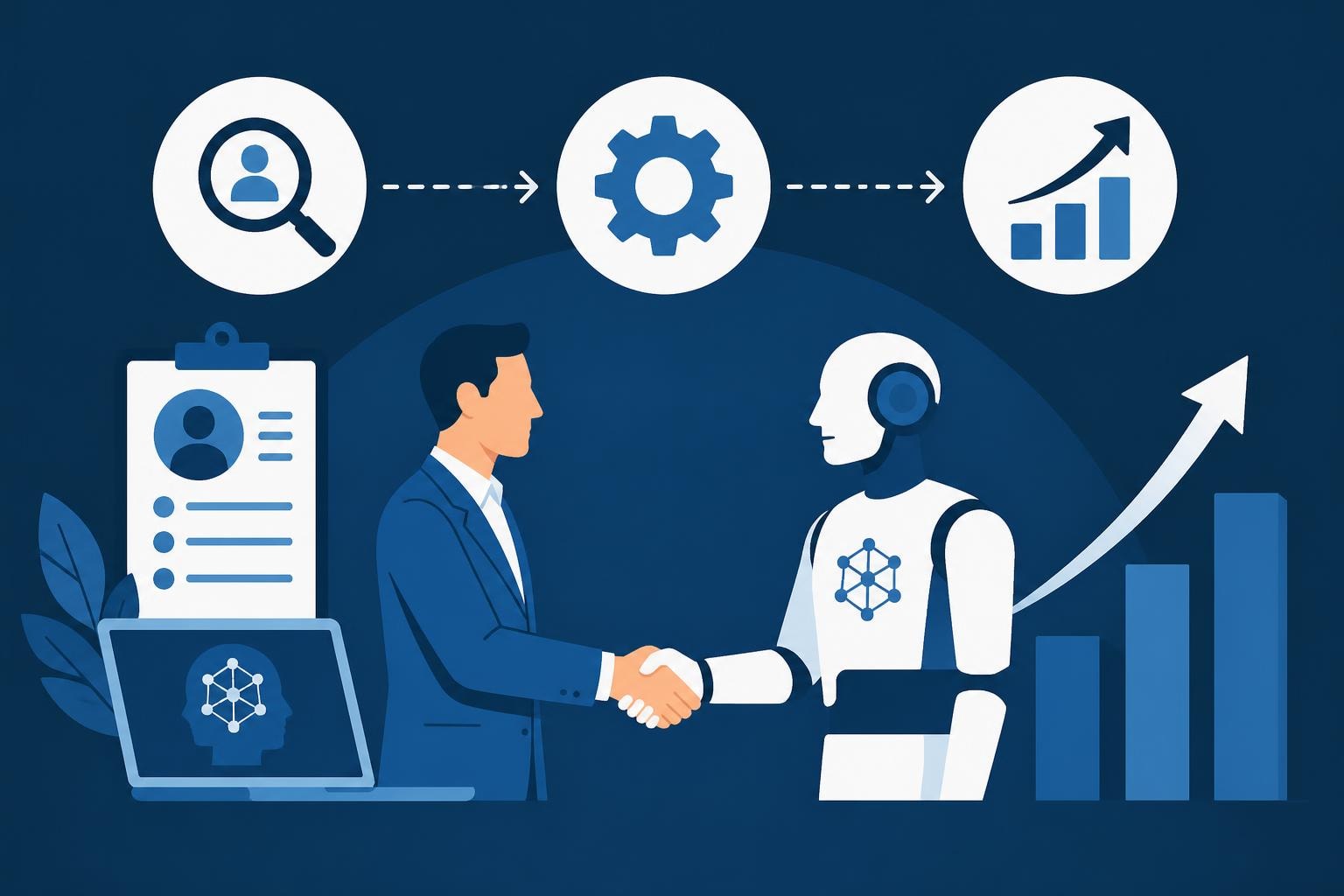
The rapid advancement of artificial intelligence and machine learning technologies has created unprecedented opportunities for businesses across all sectors. However, successfully implementing these technologies requires specialized knowledge that many organizations simply don't have in-house. This gap has created a thriving market for ml consultants who can bridge the divide between business objectives and technical execution. These professionals bring expertise in data science, algorithm development, model deployment, and strategic planning to help companies navigate the complex landscape of machine learning adoption.
Understanding the Role of ML Consultants
ML consultants serve as strategic partners who guide organizations through every phase of machine learning implementation. Their responsibilities extend far beyond writing code or building models.
These professionals begin by assessing your current data infrastructure, identifying gaps in your technical capabilities, and aligning ML initiatives with business objectives. They evaluate whether your organization has the necessary data quality, volume, and accessibility to support machine learning projects. High-quality data is critical because even the most sophisticated algorithms will fail without proper data foundations.
Core Competencies and Deliverables
The value that ml consultants provide manifests through several key competencies:
- Strategic Planning: Developing roadmaps that align ML initiatives with business goals
- Data Architecture: Designing scalable infrastructure for data collection, storage, and processing
- Model Development: Building custom algorithms tailored to specific business problems
- Deployment Strategy: Implementing models into production environments with minimal disruption
- Team Training: Upskilling internal staff to maintain and optimize ML systems
- Performance Monitoring: Establishing metrics and dashboards to track model effectiveness
Beyond technical skills, effective ml consultants possess strong business acumen. They translate complex technical concepts into language that stakeholders understand, making them invaluable during executive presentations and cross-functional collaborations.
Key Considerations When Engaging ML Consultants
Selecting the right ml consultants requires careful evaluation of both technical expertise and cultural fit. Organizations must consider several critical factors before committing to a partnership.
Industry Experience and Domain Knowledge
Industry-specific experience can dramatically accelerate project timelines and improve outcomes. A consultant who has worked in healthcare understands HIPAA compliance, while those with financial services experience navigate regulatory requirements seamlessly. Successful machine learning implementations often depend on this specialized domain knowledge combined with technical proficiency.
Consider creating a matrix to evaluate potential consultants:
| Evaluation Criteria | Weight | Scoring Method | Red Flags |
|---|---|---|---|
| Technical Expertise | 30% | Portfolio review, technical interview | Outdated frameworks, no production experience |
| Industry Knowledge | 25% | Case studies, reference calls | Generic approach, no sector specialization |
| Communication Skills | 20% | Presentation quality, documentation samples | Jargon-heavy explanations, poor listening |
| Project Management | 15% | Methodology assessment, timeline adherence | Vague milestones, scope creep history |
| Cultural Alignment | 10% | Team interactions, values discussion | Rigid processes, poor collaboration |
Validation and Verification Processes
The challenge of identifying qualified ml consultants has intensified as the field grows more popular. Resume fraud and credential inflation have become significant concerns, making thorough vetting essential. Platforms like Augmnt ATS address this challenge by providing verified matching and candidate fraud detection, ensuring that businesses connect with genuinely qualified AI professionals who have undergone comprehensive skill verification.
The Consulting Engagement Process
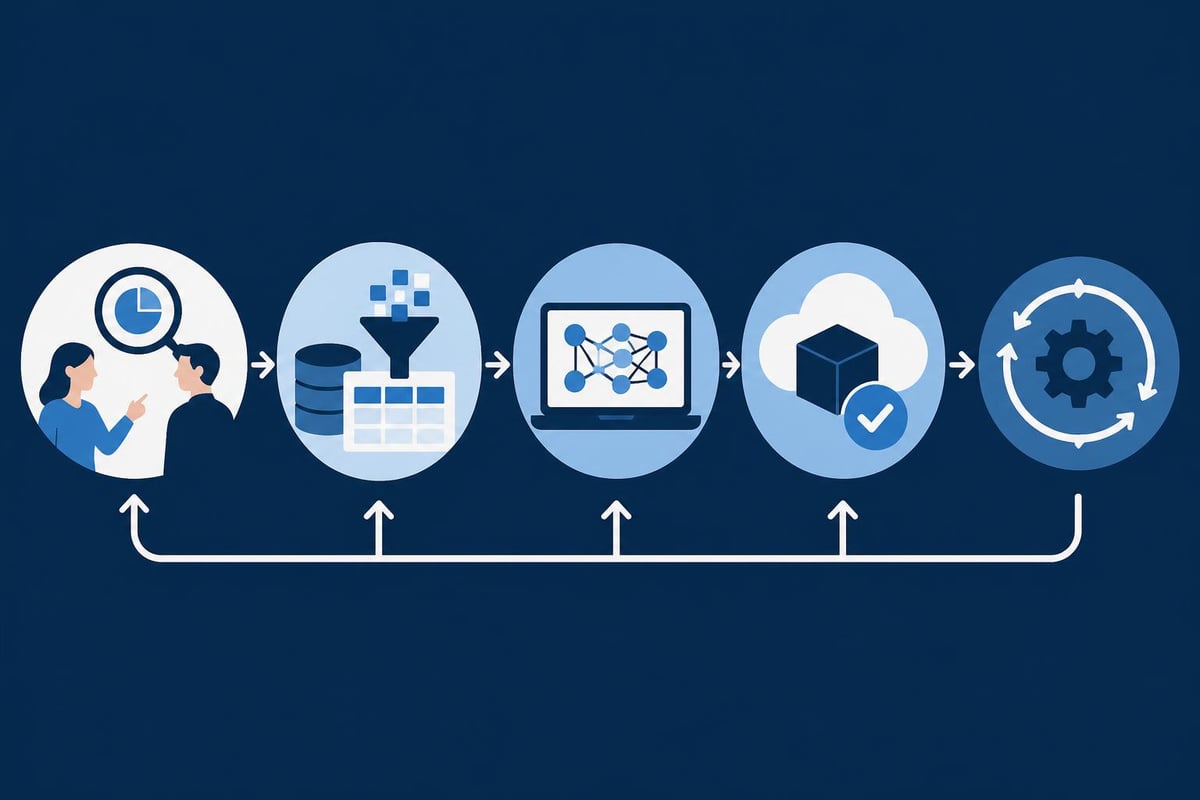
Understanding what to expect during an ML consulting engagement helps organizations prepare effectively and maximize their investment. The typical engagement follows a structured progression through distinct phases.
Discovery and Assessment Phase
ML consultants begin every engagement with comprehensive discovery work. This phase typically spans two to four weeks and involves:
- Stakeholder Interviews: Meeting with executives, department heads, and end users to understand pain points and objectives
- Data Audit: Examining existing data sources, quality levels, and accessibility constraints
- Infrastructure Review: Evaluating current technology stack, computing resources, and integration capabilities
- Competitive Analysis: Researching how competitors use ML and identifying differentiation opportunities
- Feasibility Assessment: Determining whether proposed ML solutions are technically and economically viable
This discovery phase culminates in a detailed proposal outlining recommended approaches, estimated timelines, resource requirements, and expected outcomes. Smart organizations view this document as a living roadmap rather than a fixed contract.
Development and Implementation
Once the discovery phase concludes, ml consultants transition into active development work. This phase demands close collaboration between consultants and internal teams.
The implementation follows machine learning best practices to ensure robust and scalable solutions. Consultants typically establish regular check-ins to review progress, address obstacles, and adjust approaches based on emerging insights.
Agile methodologies have become standard in ML consulting engagements because they accommodate the iterative nature of model development. Unlike traditional software projects with predictable outcomes, machine learning involves experimentation and continuous refinement.
Common Challenges and How Consultants Address Them
Even well-planned ML initiatives encounter obstacles. Experienced ml consultants anticipate these challenges and implement strategies to mitigate their impact.
Data Quality and Availability Issues
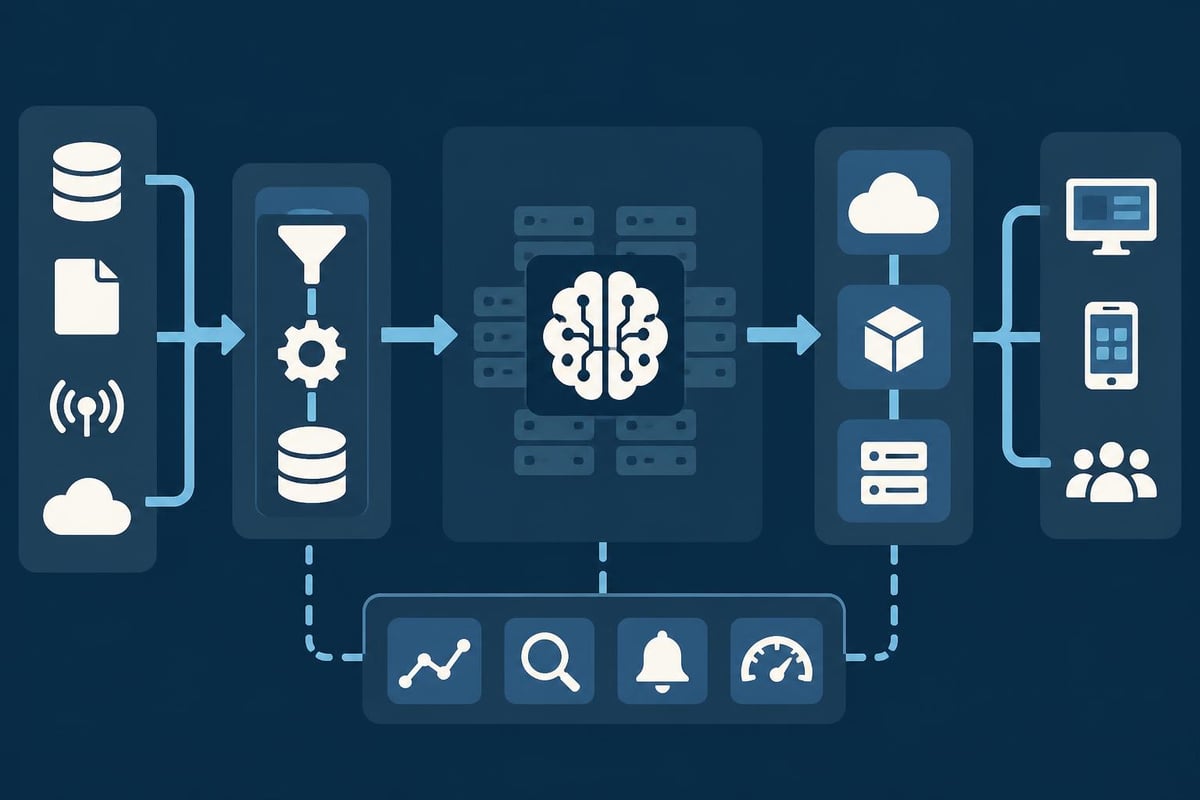
Poor data quality remains the most common barrier to ML success. Consultants address this through several approaches:
- Implementing automated data validation pipelines that flag anomalies in real-time
- Designing data collection processes that capture clean, relevant information from the start
- Developing data augmentation strategies when historical data proves insufficient
- Creating synthetic data generation methods for privacy-sensitive applications
Organizations must understand that comprehensive data governance frameworks form the foundation of successful ML projects, and consultants play a crucial role in establishing these frameworks.
Resistance to Change
Introducing ML systems often disrupts established workflows, triggering resistance from employees who fear job displacement or feel overwhelmed by new technologies. Effective ml consultants act as change management agents by involving stakeholders early, demonstrating quick wins, and providing hands-on training that builds confidence.
Measuring ROI and Success Metrics
Quantifying the value delivered by ml consultants requires establishing clear metrics before projects begin. Different stakeholders care about different measures of success.
| Stakeholder Group | Primary Metrics | Secondary Metrics | Reporting Frequency |
|---|---|---|---|
| C-Suite Executives | Revenue impact, cost reduction, market share | Time to market, competitive advantage | Quarterly |
| Department Heads | Efficiency gains, error reduction, throughput | User adoption, process improvement | Monthly |
| Technical Teams | Model accuracy, latency, uptime | Code quality, maintainability | Weekly |
| Finance | ROI, payback period, TCO | Resource utilization, scalability costs | Quarterly |
Beyond quantitative metrics, successful engagements produce qualitative benefits like enhanced decision-making capabilities, improved customer experiences, and increased organizational agility. Research on ML deployment emphasizes the importance of considering both technical performance and business impact when evaluating success.
Building Internal Capabilities
The most valuable ml consultants don't just deliver solutions; they transfer knowledge that enables organizations to maintain and extend ML systems independently. This knowledge transfer happens through several mechanisms:
- Documentation: Comprehensive technical documentation explaining model architecture, assumptions, and maintenance procedures
- Training Programs: Structured workshops that upskill data engineers, analysts, and business users
- Code Reviews: Collaborative sessions where consultants explain design decisions and best practices
- Shadowing Opportunities: Allowing internal team members to observe consultant workflows and decision-making processes
Organizations should negotiate knowledge transfer components into consulting agreements from the outset, ensuring that they build lasting capabilities rather than temporary solutions.
Future-Proofing Your ML Investment
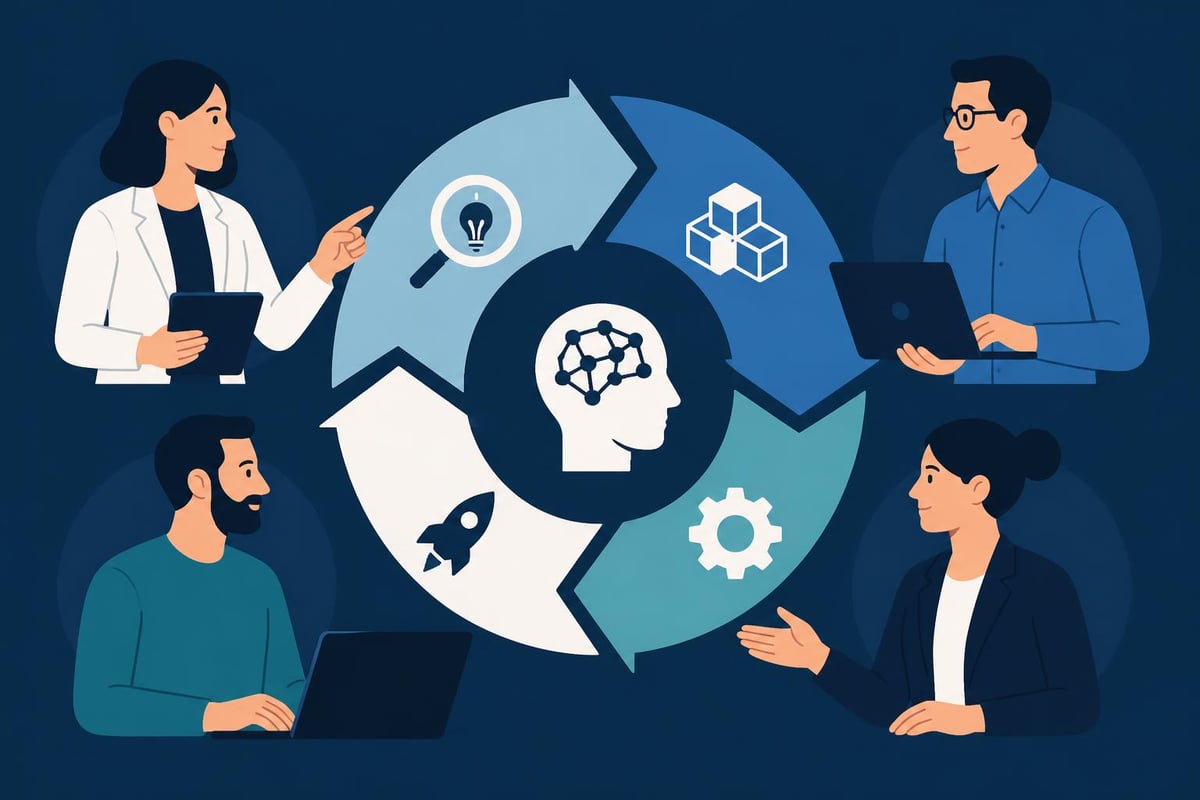
The machine learning landscape evolves rapidly, with new frameworks, techniques, and best practices emerging constantly. Forward-thinking ml consultants design systems with adaptability in mind.
Scalability Considerations
Initial ML implementations often start small, addressing specific use cases with limited data volumes. However, successful pilots quickly scale to enterprise-wide deployments that process massive datasets and serve thousands of users. Consultants must architect solutions that accommodate this growth without requiring complete rebuilds.
Key scalability factors include:
- Modular Architecture: Designing systems with loosely coupled components that can be upgraded independently
- Cloud-Native Infrastructure: Leveraging cloud platforms that offer elastic compute resources
- Automated Retraining: Building pipelines that automatically retrain models as new data arrives
- API-First Design: Exposing ML capabilities through well-documented APIs that support multiple applications
Staying Current with Emerging Trends
The ml consultants you engage should demonstrate active involvement in the broader AI community. This includes publishing research, contributing to open-source projects, attending conferences, and maintaining certifications in cutting-edge technologies.
Ask potential consultants about their approach to continuous learning and how they incorporate new techniques into client work. The field's rapid evolution means that yesterday's best practices may be tomorrow's anti-patterns.
Selecting Between Boutique Firms and Individual Consultants
Organizations face an important decision when choosing between boutique consulting firms and individual practitioners. Each option offers distinct advantages depending on project scope, budget constraints, and organizational needs.
Boutique firms provide depth across multiple specializations, ensuring coverage for complex projects requiring expertise in computer vision, natural language processing, and reinforcement learning simultaneously. They offer redundancy if key team members become unavailable and typically maintain more formal project management processes.
Individual consultants offer cost advantages, direct communication with decision-makers, and greater flexibility in engagement terms. They excel at focused initiatives with well-defined scopes and organizations that value personal relationships over process formality.
| Consideration | Boutique Firms | Individual Consultants |
|---|---|---|
| Cost Structure | Higher rates, package pricing | Lower rates, hourly/project-based |
| Expertise Breadth | Multiple specialists available | Deep in specific domains |
| Availability | Better coverage, team backup | Potential scheduling limitations |
| Process Maturity | Established methodologies | Flexible, adaptable approaches |
| Risk Mitigation | Team continuity guaranteed | Single point of failure |
Building Long-Term Partnerships
The most successful ML initiatives evolve from transactional engagements into strategic partnerships. Rather than hiring ml consultants for isolated projects, leading organizations establish ongoing relationships that support continuous innovation.
These partnerships typically begin with pilot projects that demonstrate value and build trust. As both parties learn each other's working styles and priorities, collaboration becomes more efficient and productive. Consultants develop deeper understanding of business context, while internal teams gain ML expertise through osmosis.
Consider structuring retainer arrangements that provide consistent access to consultant expertise without the overhead of full-time hires. This model works particularly well for organizations navigating rapid growth or entering new markets where ML requirements evolve unpredictably.
The hiring landscape for AI professionals continues to evolve, with organizations seeking flexible engagement models that balance expertise access with cost management. Whether you choose project-based consulting, retained advisory services, or hybrid models, alignment on communication cadence, decision rights, and success criteria remains essential.
Navigating Compliance and Ethical Considerations
As ML systems increasingly influence consequential decisions affecting people's lives, ml consultants must navigate complex ethical and regulatory landscapes. Responsible consultants proactively address bias, fairness, transparency, and accountability rather than treating these concerns as afterthoughts.
Effective approaches include:
- Bias Audits: Systematically testing models for discriminatory outcomes across protected categories
- Explainability Frameworks: Implementing tools that make model predictions interpretable to stakeholders
- Privacy Preservation: Employing techniques like differential privacy and federated learning to protect sensitive data
- Regulatory Compliance: Ensuring solutions meet industry-specific requirements like GDPR, CCPA, or sector regulations
Organizations should explicitly discuss these topics during consultant selection, assessing not just technical knowledge but genuine commitment to ethical AI development. The consultants you engage should articulate clear positions on controversial topics and demonstrate how they embed responsible practices into their methodologies.
Successfully leveraging machine learning requires more than just technical expertise; it demands strategic guidance from professionals who understand both the technology and your business context. The right ml consultants accelerate your AI journey while building internal capabilities that sustain innovation long after engagements conclude. Augmnt connects businesses with verified AI professionals who have undergone comprehensive skill validation and fraud detection, ensuring you partner with genuinely qualified experts who can deliver measurable results. Start your search for trusted ML talent today.