
IT Contractor Guide: Hiring, Rates & Trends for 2026
The demand for specialized technical expertise continues to reshape how organizations approach workforce planning. As businesses accelerate digital transformation initiatives and integrate artificial intelligence into their operations, the role of an it contractor has become increasingly strategic. These professionals offer companies the flexibility to scale technical capabilities quickly while accessing niche skills that may not exist within their permanent workforce. Understanding how to effectively engage, evaluate, and collaborate with IT contractors is now essential for organizations seeking competitive advantage in 2026.
The Evolving Role of IT Contractors in Modern Business
An it contractor brings specialized technical knowledge to organizations on a project or time-limited basis, operating as an independent professional rather than a permanent employee. This working arrangement has transformed significantly over the past few years, driven by rapid technological change and shifting business needs.
The scope of work for IT contractors has expanded beyond traditional software development and infrastructure management. Today's contractors frequently lead AI implementation projects, architect cloud migration strategies, and establish cybersecurity frameworks. The surge in IT contract opportunities reflects this broader mandate, with organizations seeking professionals who can navigate complex technical challenges while delivering measurable business outcomes.
Key Characteristics That Define Successful IT Contractors
- Deep specialized expertise in specific technologies, platforms, or methodologies
- Proven track record of delivering projects on time and within budget
- Strong communication skills to bridge technical and business stakeholders
- Adaptability to integrate quickly into existing teams and processes
- Business acumen to understand how technical solutions drive organizational goals
The distinction between an exceptional it contractor and an adequate one often lies not just in technical capability but in their ability to understand business context and translate requirements into effective solutions.

Current Market Dynamics and Rate Trends
Understanding the financial landscape for IT contractors helps organizations budget appropriately and remain competitive when sourcing talent. IT contractor rates for the current fiscal year reflect steady demand, particularly for professionals with AI, cloud, and cybersecurity expertise.
| Specialization | Average Daily Rate | Demand Level | Key Skills |
|---|---|---|---|
| AI/ML Engineer | $1,200-$1,800 | Very High | Python, TensorFlow, Neural Networks |
| Cloud Architect | $1,100-$1,600 | High | AWS, Azure, Multi-cloud Strategy |
| Cybersecurity Specialist | $1,000-$1,500 | Very High | Penetration Testing, Threat Analysis |
| DevOps Engineer | $900-$1,400 | High | CI/CD, Kubernetes, Automation |
| Data Scientist | $950-$1,450 | High | Statistical Modeling, Big Data Tools |
These rates vary significantly based on geographic location, project complexity, and the contractor's proven track record. An it contractor with verifiable experience in cutting-edge AI applications or handling recent cybersecurity incidents commands premium rates.
Factors Influencing Contractor Compensation
Market rates for IT contractors are shaped by multiple interconnected variables. Technology maturity plays a crucial role-emerging technologies like generative AI and quantum computing command higher rates than established platforms. Project urgency also impacts pricing, with compressed timelines often requiring premium compensation to secure top talent.
Geographic arbitrage continues to influence the market, though less dramatically than in previous years. Remote work normalization has created more pricing transparency across regions, though cost-of-living variations still create meaningful differences. Organizations increasingly focus on value delivery rather than purely location-based rate comparisons.
Finding and Vetting Qualified IT Contractors
The challenge of identifying truly qualified IT contractors has intensified as demand outpaces supply in specialized areas. Traditional recruitment methods often fail to adequately verify technical capabilities or detect credential inflation, leading to costly hiring mistakes.
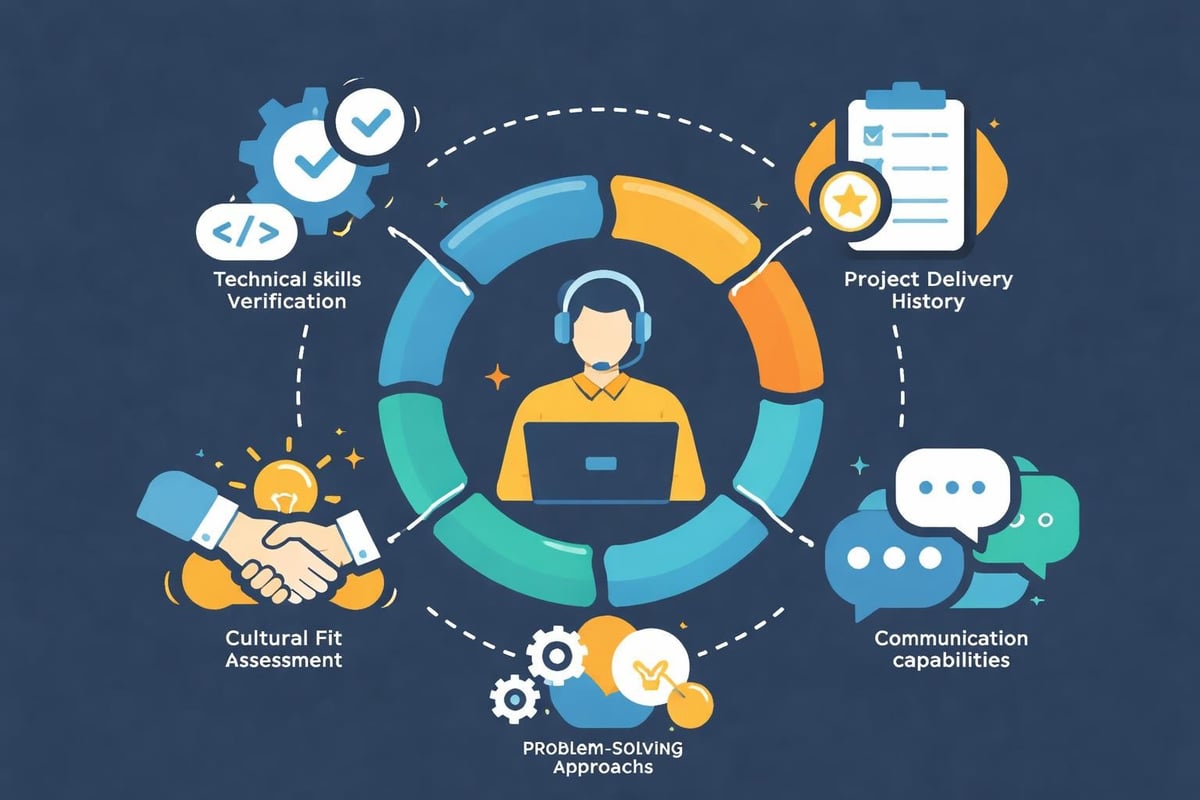
Organizations need structured approaches to evaluate potential contractors beyond reviewing resumes. Technical assessments, portfolio reviews, and reference checks form the foundation, but increasingly sophisticated verification methods are necessary in 2026's competitive market.
Comprehensive Vetting Process
- Credential Verification: Confirm educational qualifications and professional certifications through independent validation
- Technical Assessment: Conduct role-specific evaluations that test practical problem-solving abilities
- Portfolio Analysis: Review documented evidence of past projects and their business outcomes
- Reference Validation: Contact previous clients to verify work quality, reliability, and professionalism
- Cultural Alignment: Assess communication style and collaborative approach through behavioral interviews
Platforms like Augmnt ATS streamline this verification process by combining AI-powered resume fraud detection with comprehensive skill validation, ensuring businesses connect only with genuinely qualified professionals.
Strategic Considerations for Engaging IT Contractors
Successfully working with an it contractor requires more than identifying the right professional-it demands thoughtful engagement strategy and clear operational frameworks. Organizations that treat contractors as integral team members while respecting the boundaries of the independent relationship achieve the best outcomes.
Defining project scope with precision is foundational. Ambiguous deliverables lead to scope creep, budget overruns, and relationship friction. Successful engagements begin with detailed statements of work that outline specific outcomes, timelines, dependencies, and acceptance criteria.
Best Practices for Contractor Engagement
Clear Communication Channels: Establish regular touchpoints and preferred communication methods from day one. An it contractor should know exactly whom to contact for different issues and what response timeframes to expect.
Resource Access: Ensure contractors receive necessary system access, documentation, and tools promptly. Delays in provisioning access create costly idle time and signal organizational disorganization.
Integration Approach: Balance onboarding thoroughness with recognition that contractors bring established methodologies. Over-prescriptive processes can stifle the innovation and expertise you're paying premium rates to access.
Performance Metrics: Define success measures collaboratively, ensuring they align with business objectives rather than arbitrary technical benchmarks. What ultimately matters is value delivered, not just tasks completed.
Emerging Trends Shaping IT Contracting in 2026
The IT contracting landscape continues evolving rapidly, influenced by technological advancement and changing workforce preferences. Several key trends are reshaping how organizations engage with contract talent, creating both opportunities and challenges for businesses.
Artificial intelligence has moved from emerging technology to business imperative, dramatically increasing demand for contractors with proven AI implementation experience. Organizations aren't seeking theoretical knowledge-they need professionals who have successfully deployed AI solutions that deliver measurable business impact.
Critical Trend Areas
| Trend | Impact on IT Contracting | Strategic Implications |
|---|---|---|
| AI Integration | Massive demand increase for ML engineers and AI architects | Organizations must compete aggressively for limited talent pool |
| Cybersecurity Urgency | Premium rates for threat detection and response specialists | Budget allocation shifting toward security-focused contractors |
| Multi-Cloud Complexity | Growing need for architects with cross-platform expertise | Contractors who master multiple cloud ecosystems command significant premiums |
| Remote Collaboration | Geographic boundaries diminishing for talent sourcing | Global competition for contractors requires compelling value propositions |
The cybersecurity landscape deserves particular attention. Ransomware evolution and sophisticated attack vectors create persistent demand for contractors specializing in security architecture and incident response. An it contractor with recent ransomware remediation experience brings invaluable expertise that permanent staff may lack.
Navigating Legal and Compliance Considerations
The relationship between organizations and IT contractors involves complex legal considerations that vary by jurisdiction. Misclassification of workers represents one of the most significant risks, potentially resulting in substantial financial penalties and back-payment of benefits.
Understanding the distinction between independent contractors and employees is essential. Key differentiating factors include the degree of control over work performance, the permanence of the relationship, the contractor's opportunity for profit or loss, and whether the work performed is integral to the business's core operations.
Compliance Framework Elements
- Written Contracts: Comprehensive agreements defining scope, deliverables, payment terms, intellectual property rights, and termination conditions
- Tax Obligations: Clear understanding of who bears responsibility for various tax payments and reporting requirements
- Insurance Requirements: Verification that contractors maintain appropriate professional liability and general business insurance
- Intellectual Property: Explicit clauses addressing ownership of work products and any pre-existing IP the contractor brings
- Confidentiality Protections: Non-disclosure agreements protecting sensitive business information and data
Organizations operating internationally face additional complexity when engaging contractors across borders. Understanding various regulatory frameworks helps prevent costly compliance failures that can derail projects and damage reputations.

Building Long-Term Contractor Relationships
While the term "contractor" implies temporary engagement, many organizations benefit from developing ongoing relationships with exceptional IT contractors. These professionals become trusted advisors who understand the business context deeply and can be mobilized quickly when specialized needs arise.
Treating contractors professionally and respectfully forms the foundation for long-term relationships. An it contractor who feels valued, receives timely payment, and sees their contributions recognized will prioritize your projects when scheduling conflicts arise. In competitive markets, this preferential access to top talent creates meaningful competitive advantage.
Relationship Development Strategies
Prompt Payment: Honor payment terms without exception. Financial reliability signals professionalism and respect, encouraging contractors to maintain the relationship.
Recognition and Feedback: Acknowledge exceptional work publicly and provide constructive feedback privately. Contractors value professional growth opportunities just as employees do.
Future Opportunity Visibility: When appropriate, share upcoming project plans that might require the contractor's expertise. This advance notice helps them plan availability and demonstrates you value the relationship.
Professional References: Offer to serve as references for contractors who deliver excellent work. This reciprocal support strengthens professional relationships and builds goodwill.
Risk Mitigation When Working with IT Contractors
Every contractor engagement carries inherent risks that thoughtful organizations actively manage. Knowledge transfer represents a critical vulnerability-when specialized expertise resides solely with an external contractor, their departure can create operational challenges.
Documentation requirements should be explicit from the beginning. An it contractor should deliver not just working code or configured systems but comprehensive documentation enabling internal teams to maintain and evolve the solution. This knowledge transfer is essential for long-term sustainability.
Key Risk Categories and Mitigation Approaches
Quality Assurance: Establish clear quality standards and testing requirements before work begins rather than discovering misaligned expectations at delivery.
Security Protocols: Ensure contractors follow the same security practices as internal staff, including secure coding standards, access logging, and data handling procedures.
Business Continuity: Develop contingency plans for contractor unavailability, whether due to illness, competing commitments, or relationship termination.
Vendor Lock-In: Avoid architectural decisions that create dependence on specific contractors by insisting on standards-based approaches and thorough documentation.
The vendor evaluation process should include assessing these risk factors explicitly. Common mistakes in IT contracting often stem from inadequate risk planning rather than technical failures.
Optimizing the Contractor Onboarding Experience
First impressions matter significantly in contractor relationships. An it contractor evaluates your organization during onboarding just as you evaluate them. A chaotic, disorganized onboarding experience signals potential project management problems and may cause top contractors to reconsider the engagement.
Efficient onboarding accelerates time-to-value and establishes productive working patterns. Preparing access credentials, documentation, and introductions before the contractor's start date demonstrates professionalism and respect for their time.
Onboarding Checklist
- Pre-Start Preparation: Complete all administrative tasks, access provisioning, and equipment setup before day one
- Context Transfer: Provide comprehensive background on the project, its business objectives, and relevant organizational dynamics
- Stakeholder Introductions: Facilitate meetings with key team members, decision-makers, and subject matter experts
- Tool Orientation: Ensure the contractor understands communication platforms, project management systems, and development environments
- Early Quick Wins: Structure initial tasks to enable visible progress quickly, building momentum and confidence
Organizations should designate a primary point of contact who can answer questions and resolve obstacles efficiently. An it contractor shouldn't waste billable hours navigating bureaucratic complexity or searching for information.
Future-Proofing Your IT Contractor Strategy
As technology evolution accelerates, organizations must develop adaptable approaches to engaging IT contractors. Growing demand for tech talent suggests that competition for quality contractors will intensify, requiring more sophisticated sourcing and relationship management strategies.
Building a talent network rather than sourcing reactively creates sustainable competitive advantage. Organizations that maintain relationships with a curated pool of proven contractors can mobilize quickly when opportunities arise, avoiding the time and risk associated with urgent hiring.
Skills Evolution Tracking: Monitor emerging technology trends and identify contractors developing expertise in areas aligned with your strategic roadmap. Early relationships with professionals mastering nascent technologies provide access before market rates escalate.
Talent Community Building: Create mechanisms for past contractors to stay connected with your organization. Regular newsletters, alumni events, or informal check-ins keep relationships warm for future engagements.
Process Refinement: Continuously improve contractor engagement processes based on feedback and outcomes. Each engagement offers lessons that should inform future improvements.
For businesses looking to streamline their approach to finding qualified professionals, exploring specialized recruitment solutions designed for technical roles can significantly reduce time-to-hire while improving candidate quality.
Measuring Success in IT Contractor Engagements
Defining and tracking appropriate success metrics ensures accountability and enables continuous improvement in how you work with contractors. Financial metrics alone provide incomplete pictures-an it contractor who delivers under budget but creates technical debt or knowledge silos hasn't truly succeeded.
Balanced scorecards incorporating multiple dimensions provide more comprehensive evaluation frameworks. Project delivery metrics should be complemented by quality assessments, stakeholder satisfaction measures, and knowledge transfer effectiveness ratings.
| Success Dimension | Example Metrics | Target Thresholds |
|---|---|---|
| Project Delivery | On-time completion, Budget adherence | 95% on-time, Within 5% of budget |
| Quality | Defect rates, Code review scores | <2% critical defects, 4.5/5 review average |
| Stakeholder Satisfaction | Team feedback, Business owner ratings | 85% positive feedback |
| Knowledge Transfer | Documentation completeness, Staff capability | 100% deliverable documentation |
| Business Impact | ROI, Performance improvements | Positive ROI within 6 months |
Regular performance discussions with contractors should reference these metrics explicitly, creating shared understanding of expectations and enabling course correction before small issues become significant problems.
Successfully engaging IT contractors requires balancing technical vetting, clear communication, and thoughtful relationship management to access specialized expertise that drives business outcomes. As the demand for AI professionals and other technical specialists continues growing, organizations need reliable methods to identify genuinely qualified talent while avoiding credential fraud and skill misrepresentation. Augmnt helps businesses navigate these challenges by intelligently connecting them with verified AI professionals through a platform that combines AI-powered matching with comprehensive candidate validation, ensuring you work with contractors who possess the skills and integrity your projects demand.