Candidate Screening Automation: A 2026 Hiring Guide
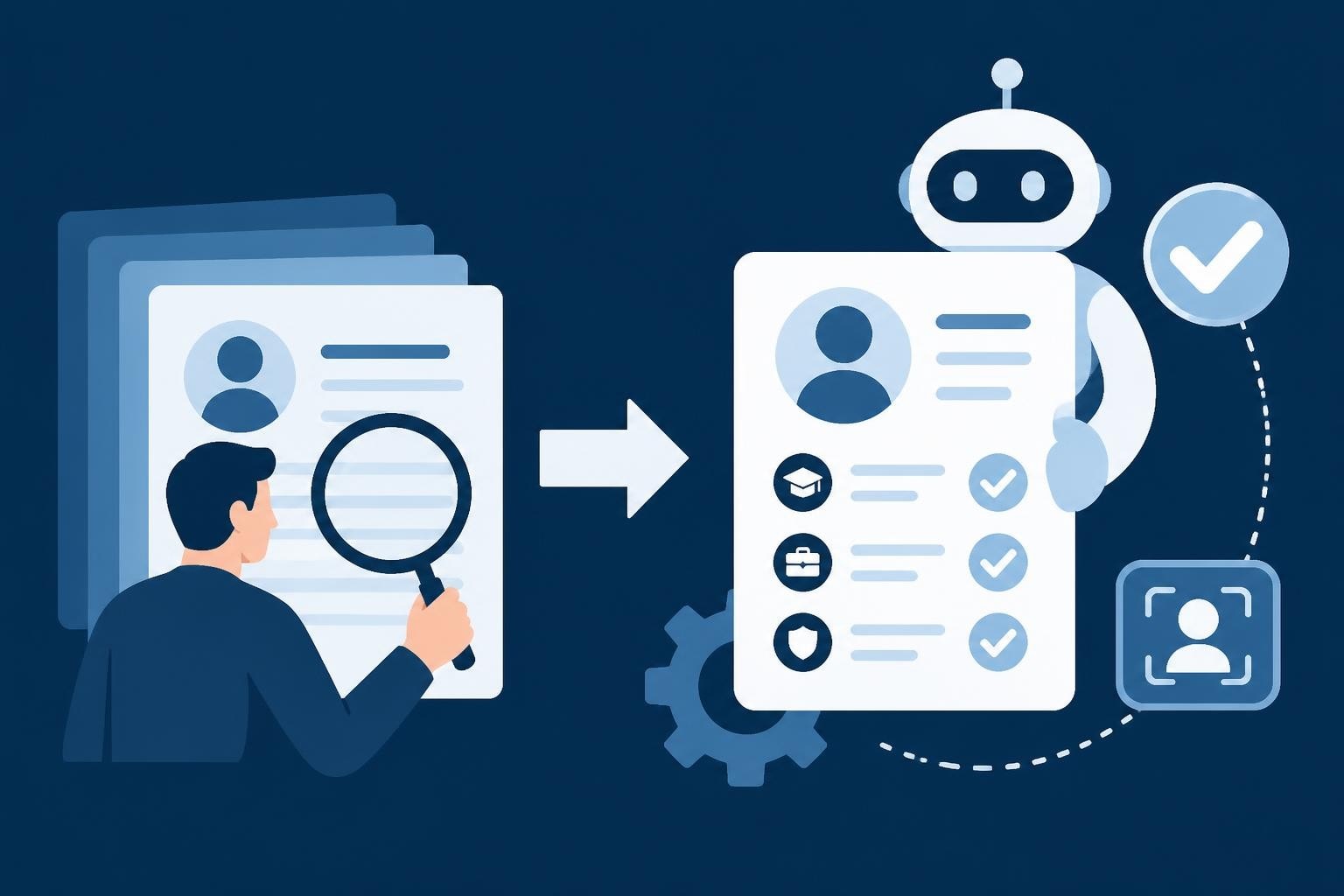
Recruitment teams in 2026 face an unprecedented challenge: sorting through thousands of applications while maintaining quality and speed. The average corporate job posting attracts 250 resumes, yet most recruiters spend only six seconds on an initial review. This creates a bottleneck that costs organizations both time and top talent. Candidate screening automation has emerged as the solution, leveraging artificial intelligence and machine learning to transform how businesses identify, evaluate, and engage with potential hires. This technology doesn't just accelerate the process-it fundamentally improves accuracy, reduces bias, and ensures that qualified candidates receive the attention they deserve.
Understanding Modern Candidate Screening Automation
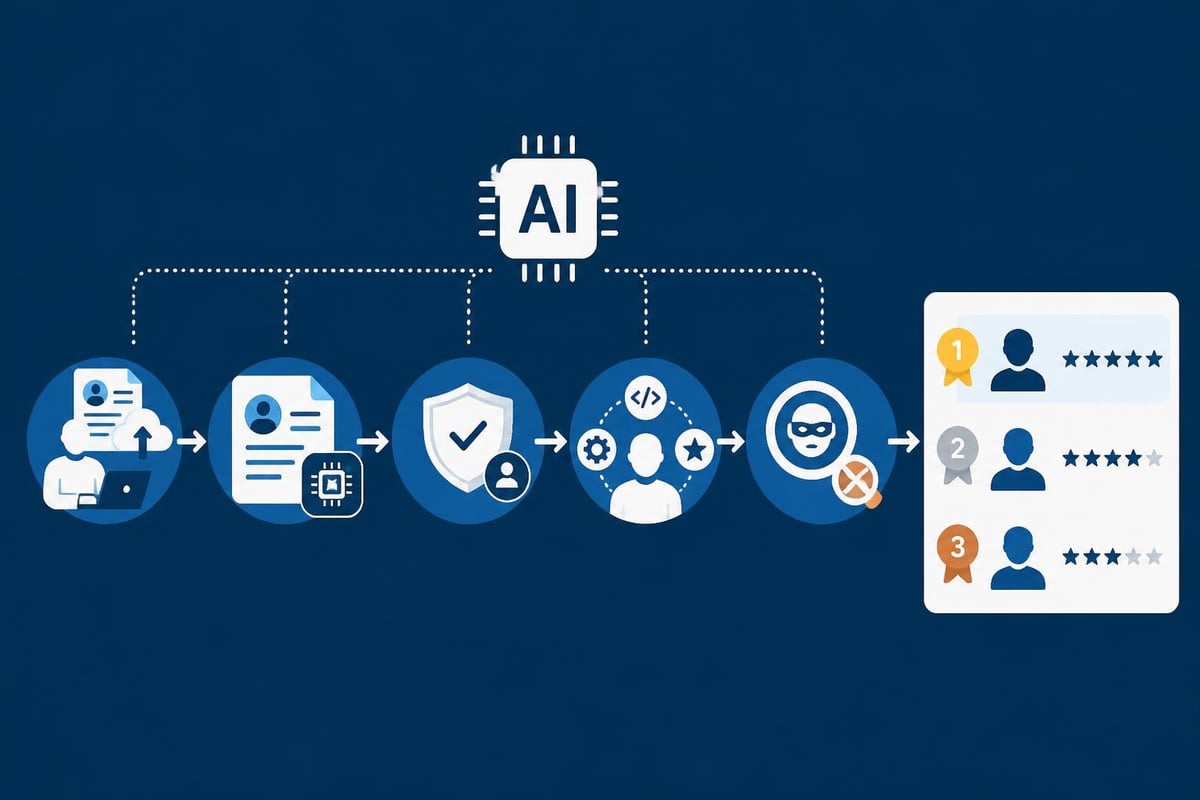
Candidate screening automation refers to the use of software systems to evaluate job applications against predefined criteria without manual intervention. These platforms analyze resumes, assess qualifications, verify credentials, and rank candidates based on their fit for specific roles.
The technology has evolved significantly from simple keyword matching. Today's systems incorporate natural language processing, predictive analytics, and behavioral assessment tools. They can parse unstructured data, identify patterns in candidate backgrounds, and even detect potential resume fraud.
Key capabilities of modern screening automation include:
- Resume parsing and data extraction
- Skills matching against job requirements
- Educational and employment verification
- Automated interview scheduling
- Candidate ranking and prioritization
- Compliance monitoring and audit trails
Understanding data sources in candidate screening is critical for maintaining security and accuracy. Organizations must ensure their automated systems pull from reliable, compliant databases that respect privacy regulations while delivering comprehensive insights.
The Technology Stack Behind Automation
Modern candidate screening automation relies on several interconnected technologies. Machine learning algorithms form the foundation, trained on historical hiring data to recognize patterns that indicate candidate success.
Natural language processing enables systems to understand context rather than just matching keywords. This allows the technology to evaluate how a candidate's experience relates to job requirements, even when terminology differs.
| Technology Component | Primary Function | Business Impact |
|---|---|---|
| Machine Learning | Pattern recognition and prediction | Identifies best-fit candidates based on success metrics |
| NLP | Contextual understanding of resumes | Reduces false negatives from keyword mismatches |
| OCR | Document scanning and parsing | Processes various resume formats accurately |
| API Integrations | Data verification and enrichment | Validates credentials against authoritative sources |
| Blockchain | Credential verification | Provides tamper-proof verification of qualifications |
Integration capabilities determine how effectively these systems fit into existing recruitment workflows. ATS integrations allow automated screening tools to work seamlessly with applicant tracking systems, creating a unified candidate management experience.
Benefits Driving Widespread Adoption
Organizations implementing candidate screening automation report dramatic improvements in hiring efficiency. The average time-to-screen decreases from days to minutes, allowing recruiters to focus on high-value activities like candidate engagement and cultural fit assessment.
Quantifiable benefits include:
- 75% reduction in time spent on initial resume review
- 60% improvement in candidate quality metrics
- 40% decrease in cost-per-hire
- 90% reduction in unconscious bias during initial screening
- 50% faster time-to-fill for critical positions
Beyond speed, automation enhances accuracy. Human reviewers fatigue after reading dozens of resumes, leading to inconsistent evaluation. Automated systems apply the same rigorous criteria to every application, ensuring fairness and thoroughness.
The technology excels at scale. While a recruiter might effectively review 50 resumes per day, automation handles thousands simultaneously without degradation in quality. This proves invaluable during high-volume hiring campaigns or when filling multiple similar positions.
Cost Implications and ROI
The financial case for candidate screening automation extends beyond direct labor savings. Organizations reduce expensive mis-hires by improving candidate-role matching accuracy.
Implementation costs vary based on organization size and feature requirements. Small businesses might invest $5,000 annually for basic automation, while enterprise solutions range from $50,000 to $200,000. However, the return typically manifests within the first hiring cycle.
Consider a company that hires 100 employees annually. If automation reduces the average cost-per-hire from $4,000 to $2,400, the annual savings reach $160,000. Add the value of faster hiring-which means positions filled sooner and productivity gains realized earlier-and ROI becomes compelling.
Hidden costs like reduced employee turnover also factor into calculations. Better candidate matching leads to improved retention, saving the organization from repeated hiring costs for the same position.
Implementation Best Practices
Successful candidate screening automation requires thoughtful planning and execution. Organizations should begin by auditing their current screening processes to identify bottlenecks and inefficiencies.
Step-by-step implementation approach:
- Define screening criteria with input from hiring managers and successful employees
- Select technology partners based on industry fit and integration capabilities
- Pilot the system with a single department or job category
- Train recruiters on system capabilities and limitations
- Monitor performance metrics and adjust algorithms based on outcomes
- Scale gradually while maintaining human oversight
The Recruitment and Employment Confederation guide offers practical considerations for responsible procurement of automated screening tools, emphasizing the importance of transparency and candidate experience.
Avoiding Common Pitfalls
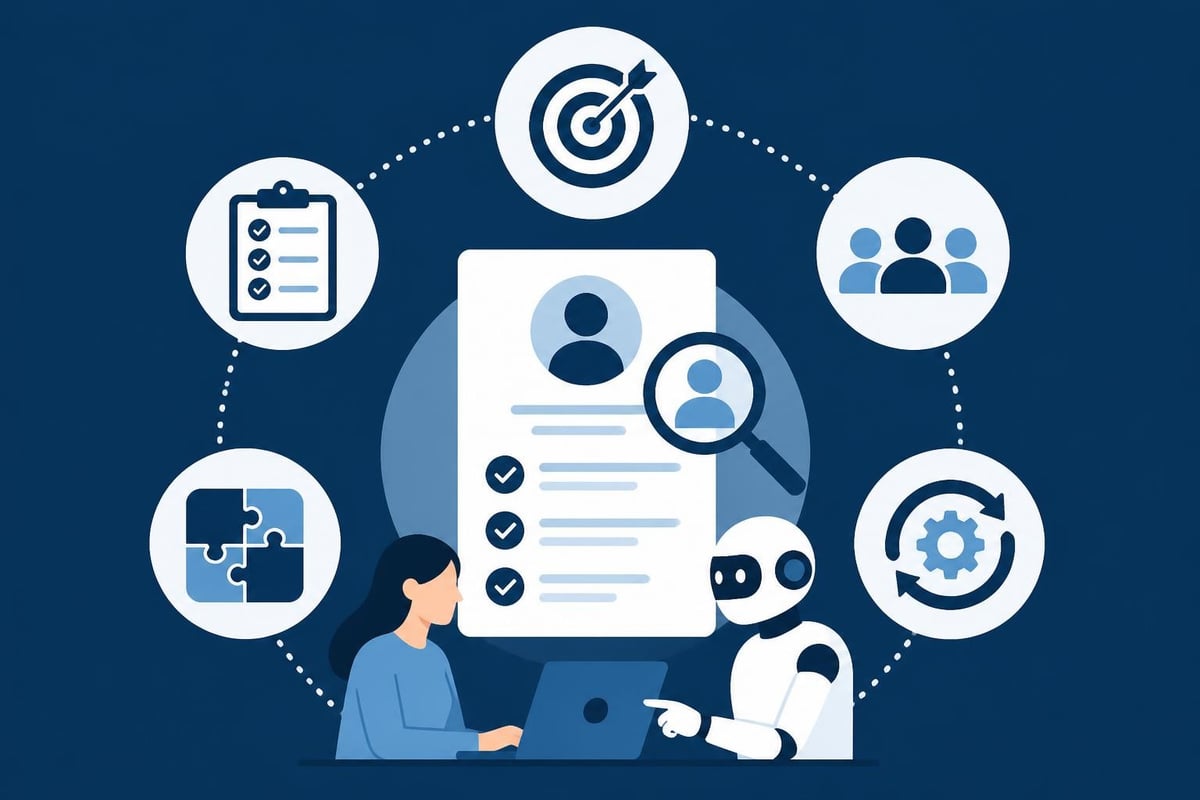
Many organizations stumble when implementing screening automation by treating it as a purely technical project. Successful adoption requires change management, stakeholder buy-in, and ongoing optimization.
One frequent mistake involves over-automation. While technology excels at objective criteria evaluation, human judgment remains essential for assessing cultural fit, communication skills, and growth potential. The goal is augmentation, not replacement.
Data quality issues undermine even the most sophisticated systems. Screening automation depends on accurate job descriptions, clear requirements, and well-structured candidate data. Garbage in, garbage out applies fully to recruitment technology.
Forbes highlights how hiring inputs can be mistaken for answers, emphasizing that automated systems require careful interpretation and shouldn't be treated as infallible decision-makers. Human oversight prevents the automation from becoming a black box that produces unexplainable outcomes.
Addressing Bias and Compliance Concerns
Bias mitigation represents both a major selling point and significant concern for candidate screening automation. Properly configured systems can reduce unconscious bias by focusing on objective qualifications rather than demographic factors.
However, poorly designed algorithms may perpetuate or amplify existing biases. If training data reflects historical discrimination, the system learns these patterns and applies them to future candidates. Regular auditing and diverse training datasets help prevent this outcome.
Compliance considerations for automated screening:
- EEOC guidelines on AI in hiring
- GDPR and data privacy requirements
- Fair Credit Reporting Act (FCRA) for background checks
- State-specific AI employment laws
- Industry-specific regulations (healthcare, finance, etc.)
Organizations must maintain transparency about their use of automation. Candidates have the right to know when AI systems influence hiring decisions. Best practices for background checks emphasize compliance with evolving regulations while leveraging technology effectively.
Building Fair and Transparent Systems
Creating equitable screening automation requires intentional design choices. Organizations should establish diverse teams to develop and oversee these systems, ensuring multiple perspectives inform algorithm development.
Regular bias audits should test for disparate impact across protected categories. If certain demographic groups consistently receive lower scores, the system requires adjustment even if no intentional discrimination exists.
Transparency extends to candidates as well. Providing feedback on why applications weren't advanced helps build trust and improves the employer brand. Some organizations share scoring criteria upfront, allowing candidates to understand evaluation standards.
| Fairness Strategy | Implementation Method | Expected Outcome |
|---|---|---|
| Blind screening | Remove identifying information before evaluation | Reduces demographic bias |
| Diverse training data | Include successful employees across all backgrounds | Prevents pattern bias |
| Regular auditing | Quarterly statistical analysis of outcomes | Identifies emerging issues |
| Human review checkpoints | Recruiter verification of AI decisions | Catches algorithm errors |
Advanced Features Shaping the Future
Candidate screening automation continues evolving with emerging technologies. Predictive analytics now forecast candidate success probability based on hundreds of variables, from career trajectory patterns to skills adjacency.
Video screening automation analyzes recorded interview responses using sentiment analysis and speech patterns. While controversial, these tools claim to assess communication skills and cultural alignment at scale.
Chatbots handle initial candidate interactions, answering questions, scheduling assessments, and even conducting preliminary interviews. This 24/7 availability improves candidate experience while gathering valuable data for screening decisions.
Augmnt ATS represents the next generation of intelligent screening, combining automated matching with fraud detection specifically designed for AI and technical roles. By verifying both skills and credentials upfront, it ensures that only legitimate, qualified candidates reach human reviewers.
Integration with Broader Hiring Ecosystems
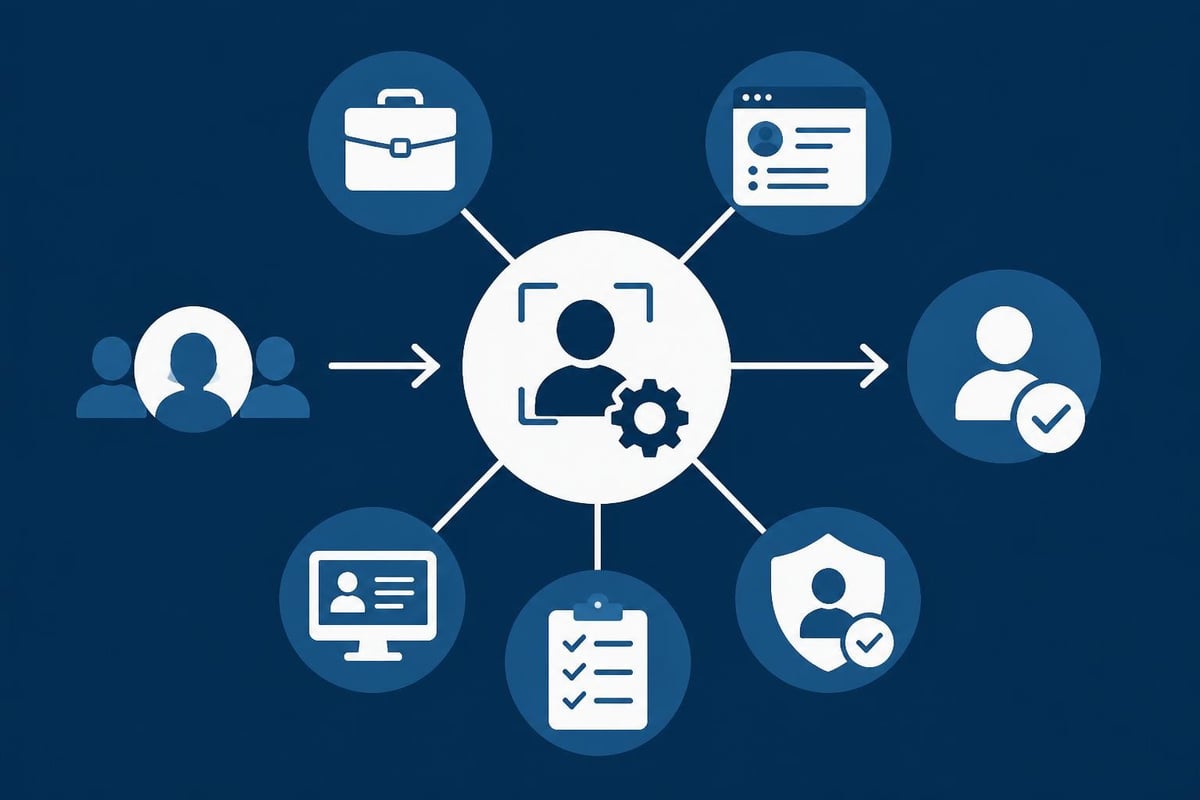
The most effective screening automation doesn't operate in isolation. Modern platforms connect with job boards, career sites, assessment tools, and background check services to create comprehensive candidate profiles.
API-first architectures allow organizations to build custom workflows that fit their unique hiring processes. Data flows seamlessly between systems, eliminating manual data entry and reducing errors.
Mobile optimization ensures candidates can apply and complete screening steps from any device. Given that 45% of job seekers use mobile devices as their primary job search tool in 2026, this capability directly impacts applicant volume and quality.
Measuring Success and Optimizing Performance
Implementing candidate screening automation without proper measurement leads to suboptimal outcomes. Organizations should establish key performance indicators before deployment and track them consistently.
Critical metrics for screening automation:
- Time-to-screen per application
- Candidate quality score (based on interview advancement rates)
- Offer acceptance rates
- New hire performance ratings at 90 days
- Cost per qualified candidate
- Candidate satisfaction scores
- Diversity metrics across hiring stages
Advanced research on automated candidate assessment discusses both benefits and risks, highlighting the importance of continuous monitoring and adjustment to maximize positive outcomes.
Dashboard analytics provide real-time visibility into screening performance. Hiring teams can identify bottlenecks, spot quality issues, and optimize criteria based on actual results rather than assumptions.
Continuous Improvement Strategies
The most successful organizations treat candidate screening automation as an evolving system requiring regular refinement. Quarterly reviews should compare predicted candidate success against actual performance, adjusting algorithms when discrepancies emerge.
A/B testing different screening criteria helps identify which factors truly predict success. Organizations might test whether certain certifications correlate with job performance or if years of experience matters less than specific skill demonstrations.
Feedback loops from hiring managers and new employees provide qualitative insights that complement quantitative metrics. Understanding why certain candidates succeeded or struggled informs more nuanced screening criteria.
Human-AI Collaboration Models
The debate between full automation and human-only screening presents a false dichotomy. The optimal approach combines technological efficiency with human judgment, leveraging each party's strengths.
Automation excels at processing large volumes, applying consistent criteria, and identifying objective qualifications. Humans bring contextual understanding, cultural assessment, and the ability to recognize unconventional excellence.
Different collaboration models suit different scenarios. High-volume, entry-level hiring might use automation for 90% of screening, with humans reviewing only top candidates. Executive searches reverse this ratio, using automation primarily for administrative tasks while humans drive evaluation.
Effective collaboration approaches:
- Sequential model: Automation screens first, humans review qualified candidates
- Parallel model: Both evaluate simultaneously, with discrepancies triggering discussion
- Tiered model: Automation handles obvious accept/reject, humans evaluate borderline cases
- Augmented model: Automation provides insights while humans make all final decisions
Hiring managers benefit from automation that surfaces relevant insights without removing their decision-making authority. The technology should empower rather than replace human expertise.
Industry-Specific Applications
Candidate screening automation adapts to various industries with unique requirements. Healthcare organizations prioritize license verification and compliance screening. Financial services focus on background checks and regulatory clearances.
Technology companies increasingly use skills-based assessments integrated into automated screening. Candidates complete coding challenges or technical exercises, with results automatically scored and incorporated into overall evaluation.
Industry customization examples:
| Industry | Screening Priority | Automation Approach |
|---|---|---|
| Healthcare | License verification and compliance | API integration with state licensing boards |
| Technology | Technical skills assessment | Automated coding challenges and portfolio review |
| Finance | Background checks and regulatory compliance | Enhanced verification with ongoing monitoring |
| Retail | Availability matching and personality fit | Chatbot pre-screening and schedule compatibility |
| Manufacturing | Safety certification and experience | Document verification and skills matrix matching |
For organizations hiring AI professionals, specialized screening becomes essential. The rapid evolution of AI technologies means resumes quickly become outdated. Automated systems must verify current skills through practical assessments rather than relying solely on credential claims.
Preparing Your Organization for Automation
Successful adoption of candidate screening automation requires organizational readiness beyond technology selection. Change management efforts should address concerns from recruiters who may fear displacement.
Communication strategy matters enormously. Framing automation as a tool that eliminates tedious work and allows recruiters to focus on relationship-building and strategic activities reduces resistance.
Training programs should cover both technical operation and strategic use. Recruiters need to understand how algorithms make decisions so they can effectively override or adjust recommendations when necessary.
Readiness assessment questions:
- Do we have clearly defined job requirements and success criteria?
- Is our current applicant data structured and accessible?
- Have we secured stakeholder buy-in across HR, IT, and hiring managers?
- Do we understand relevant compliance requirements for our industry?
- Have we allocated resources for ongoing optimization and monitoring?
Exploring pricing options early in the evaluation process helps organizations budget appropriately for both initial implementation and ongoing costs.
Starting with a pilot program allows organizations to test automation on a limited scale, gather feedback, and refine approaches before full deployment. This reduces risk and builds internal case studies that support broader adoption.
Candidate screening automation has transformed from a competitive advantage into a necessity for organizations seeking to hire efficiently and effectively in 2026. By combining AI-powered evaluation with human expertise, businesses can process high application volumes while maintaining quality and fairness. The key to success lies in thoughtful implementation, continuous optimization, and maintaining the right balance between technology and human judgment. Augmnt addresses these challenges head-on by providing an intelligent marketplace that connects businesses with verified AI professionals through comprehensive validation and fraud detection, ensuring that every candidate presented meets rigorous standards before reaching your recruitment team.