Best ATS for Startups: Top Solutions in 2026
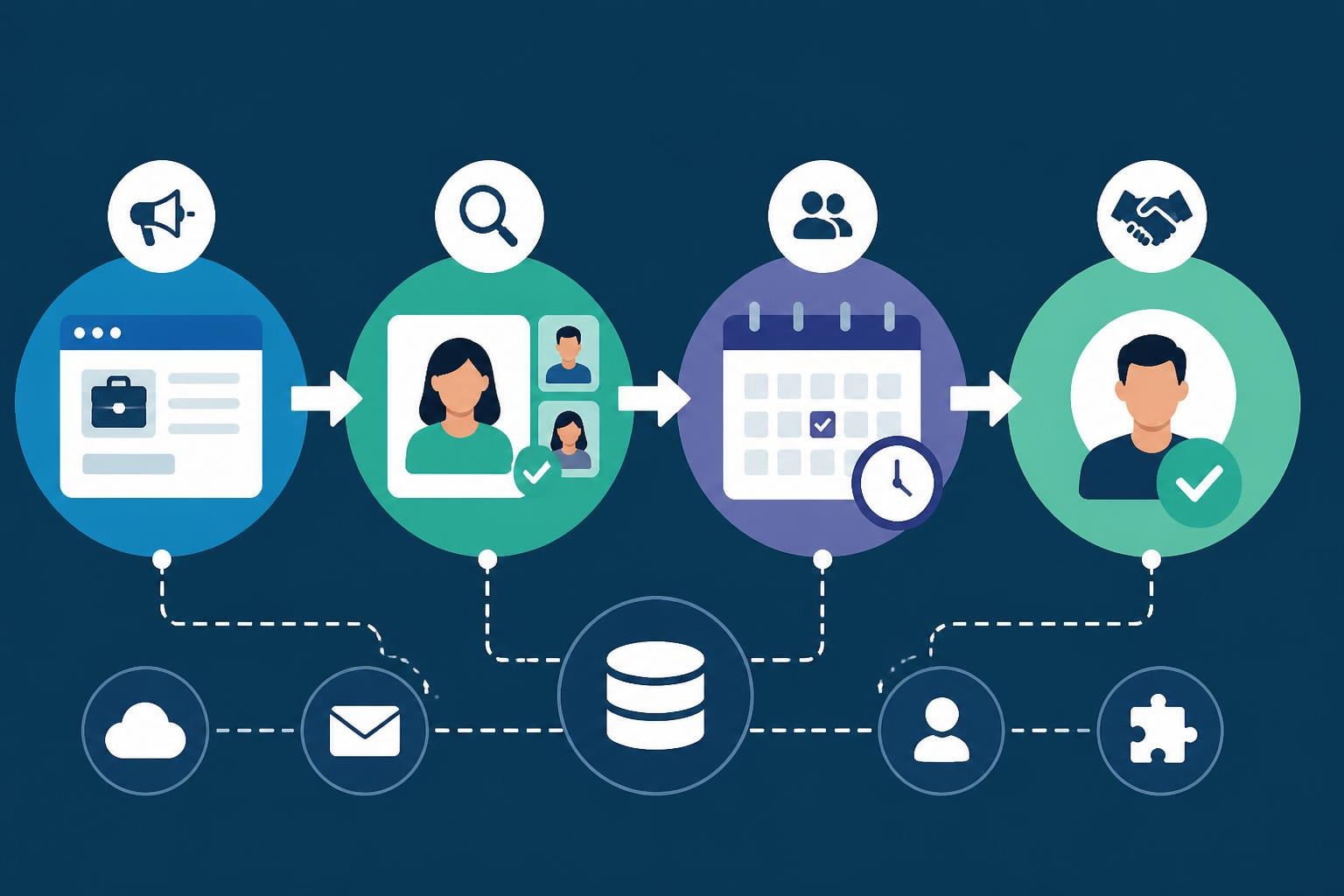
Startups face unique recruitment challenges that differ significantly from established enterprises. With limited resources, lean teams, and the urgent need to scale quickly, choosing the right applicant tracking system becomes a critical decision that can determine hiring success or failure. The best ATS for startups must balance affordability with robust functionality, offering seamless integration capabilities while remaining intuitive enough for non-technical users to master quickly. This guide explores the leading ATS solutions designed specifically for startup environments, examining their features, pricing structures, and suitability for companies at different growth stages.
Understanding ATS Requirements for Startup Environments
Startups operate under constraints that larger organizations rarely experience. Budget limitations often mean every software investment must deliver measurable ROI immediately. Small HR teams or founders managing recruitment themselves need systems that eliminate manual work rather than creating additional administrative burden.
The hiring velocity at startups can shift dramatically within months. A platform handling five hires per quarter might suddenly need to process fifty candidates weekly as the company secures funding or enters a new market. This unpredictability demands flexibility in both system capabilities and pricing models.
Core Features That Matter Most
When evaluating the best ATS for startups, certain functionalities prove essential regardless of industry or size. These capabilities separate basic job posting tools from comprehensive recruitment platforms.
Critical ATS capabilities include:
- Automated resume parsing and candidate profile creation
- Collaborative hiring workflows with customizable approval stages
- Email integration for seamless candidate communication
- Mobile-responsive candidate experience
- Reporting and analytics for hiring metrics
- Compliance management for EEOC and GDPR requirements
Integration capacity deserves particular attention. Startups typically use multiple tools for different business functions, and an ATS that connects with existing systems prevents data silos and duplicate entry. Essential applicant tracking system features should align with your current technology stack and anticipated growth needs.

Top ATS Platforms for Early-Stage Startups
Early-stage companies need solutions that prioritize ease of use and quick implementation over extensive enterprise features. These platforms typically offer straightforward pricing and minimal setup requirements.
Lever
Lever positions itself as a talent acquisition suite rather than a simple tracking system. The platform combines ATS functionality with CRM capabilities, allowing startups to build talent pipelines before positions open. This proactive approach suits companies anticipating rapid scaling.
Lever's collaborative hiring features enable team members to provide structured feedback without email chains or spreadsheets. The system automatically organizes candidate information, interview schedules, and hiring team input into a unified interface.
Pricing structure:
- Starts at approximately $500 monthly for small teams
- Scales based on active job openings and user count
- Annual commitments typically required for best rates
Greenhouse
Greenhouse emphasizes structured hiring methodologies that reduce bias and improve decision quality. The platform guides hiring teams through consistent evaluation processes, ensuring every candidate receives fair assessment against predetermined criteria.
For startups building their first formal hiring processes, Greenhouse provides templates and best practice frameworks. Interview kits, scorecard systems, and automated workflows help companies professionalize recruitment without extensive HR experience.
The platform offers robust API access, making it suitable for startups with technical teams who want to customize workflows or build proprietary integrations. Comprehensive recruitment platforms like Greenhouse balance power with usability effectively.
Mid-Market Solutions for Growing Startups
As startups transition from ten employees to fifty or beyond, their ATS needs evolve. These solutions offer advanced features while maintaining reasonable costs for companies not yet at enterprise scale.
Workable
Workable delivers an all-in-one recruitment platform that combines sourcing, tracking, and hiring management. The system includes AI-powered candidate recommendations, automated interview scheduling, and comprehensive reporting dashboards.
One distinctive advantage is Workable's sourcing network, which aggregates candidate profiles from multiple job boards and professional networks. This feature proves valuable for startups lacking dedicated recruiters who would otherwise manually search various platforms.
| Feature Category | Capability | Startup Benefit |
|---|---|---|
| Candidate Sourcing | Access to 400M+ profiles | Reduces time spent on manual searches |
| AI Matching | Automated candidate ranking | Prioritizes reviewing top prospects |
| Mobile App | Full functionality on iOS/Android | Enables hiring on the go |
| Video Interviews | Built-in one-way and live video | Eliminates third-party tools |
| Background Checks | Integrated screening partners | Streamlines verification process |
The Workable platform receives consistently positive reviews for its intuitive interface and responsive customer support, both critical factors for resource-constrained teams.
BambooHR
While primarily known as an HRIS platform, BambooHR includes applicant tracking functionality that integrates seamlessly with its broader HR management features. This unified approach appeals to startups wanting a single system for both recruitment and employee management.
The ATS component covers essential tracking needs without overwhelming users with excessive options. Job posting distribution, candidate communication, and interview coordination all function within the same interface employees use for time-off requests and performance reviews.
Advantages for startups:
- Single database for applicant and employee information
- Streamlined transition from candidate to new hire
- Consistent user experience across HR functions
- Bundled pricing often lower than separate systems

Specialized ATS Options for Technical Hiring
Startups in technology sectors face particular recruitment challenges. Assessing technical skills accurately requires different approaches than evaluating sales or marketing candidates. Several ATS platforms address these specific needs.
Gem
Gem focuses on outbound recruiting, providing tools for sourcing passive candidates from professional networks and technical communities. The platform excels at managing recruitment CRM activities, allowing startups to nurture relationships with potential candidates over time.
For startups competing for scarce AI and machine learning talent, Gem's sequencing and personalization features help craft targeted outreach campaigns. The system tracks engagement metrics, showing which messages generate responses and which sourcing channels produce quality candidates.
Ashby
Ashby takes an analytics-first approach to recruitment, providing detailed insights into every aspect of the hiring funnel. The platform shows precisely where bottlenecks occur, which sources yield the best candidates, and how individual recruiters or hiring managers perform.
This data-driven methodology helps startups optimize limited recruitment resources. Rather than guessing which job boards deliver results, teams can make evidence-based decisions about where to invest time and money.
Budget-Friendly Solutions for Bootstrap Startups
Not every startup has the capital for sophisticated recruitment software. Several capable ATS platforms offer free or low-cost tiers suitable for companies making their first few hires.
Recruitee
Recruitee provides a surprisingly complete feature set at accessible price points. Even the entry-level plan includes collaborative hiring tools, career site builders, and basic reporting capabilities.
The platform grows with companies, adding advanced features like AI-powered screening and custom workflows at higher tiers. This scalability prevents the need to switch systems as hiring volume increases, preserving historical data and institutional knowledge.
Breezy HR
Breezy HR emphasizes visual pipeline management, presenting candidates as cards that move through customizable stages. This Kanban-style interface makes hiring status immediately apparent and simplifies team coordination.
The platform includes automation features typically found in premium systems, such as automatic email sequences and candidate scoring. These capabilities help small teams manage larger candidate volumes without proportional increases in administrative work.
| Platform | Starting Price | Free Trial | Key Differentiator |
|---|---|---|---|
| Recruitee | $199/month | 14 days | Customizable workflows |
| Breezy HR | $189/month | 14 days | Visual pipeline management |
| Zoho Recruit | $30/user/month | 15 days | Integration with Zoho suite |
| Freshteam | Free for up to 50 employees | Unlimited | Part of Freshworks ecosystem |
Integration Capabilities and Technical Considerations
The best ATS for startups functions as part of a broader technology ecosystem rather than operating in isolation. Understanding integration options prevents future headaches when systems need to communicate.
Native Integrations vs. API Access
Most modern ATS platforms offer both pre-built integrations with popular services and API access for custom connections. Pre-built integrations typically cover email platforms, calendar systems, video conferencing tools, and major HRIS solutions.
API access becomes valuable when startups use specialized tools or want to build proprietary workflows. Technical teams can create custom integrations that automate unique processes specific to their hiring methodology.
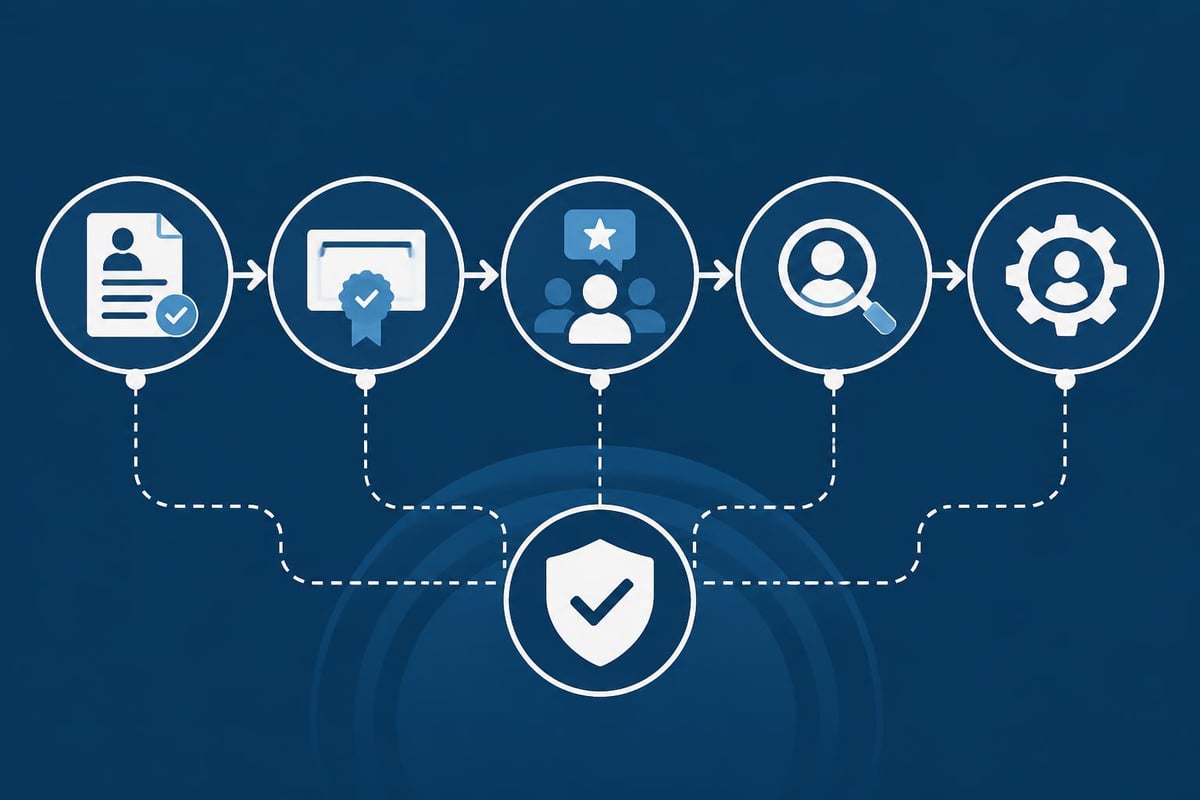
Platforms with ATS integration capabilities enable startups to connect recruitment systems with verification services, ensuring candidate information accuracy from the earliest stages of evaluation.
Background Check and Verification Services
Candidate verification represents a critical but often overlooked aspect of startup hiring. Resume fraud and credential misrepresentation can prove costly, particularly when hiring for technical or senior positions.
Some ATS platforms include basic verification features, while others integrate with specialized services. Background check platforms like Certn connect directly with applicant tracking systems, automating the screening process once candidates reach final stages.
For startups hiring AI professionals or technical specialists, verification services such as Veremark offer global coverage and compliance management that smaller in-house teams struggle to maintain independently.
AI-Powered Features and Automation
Artificial intelligence capabilities increasingly differentiate premium ATS platforms from basic tracking tools. These features can dramatically improve hiring efficiency for startups with limited recruitment resources.
Resume Screening and Candidate Matching
AI-powered screening analyzes resumes against job requirements, ranking candidates based on qualification match. This automation reduces the time recruiters spend on initial review from hours to minutes.
Advanced systems learn from hiring decisions over time, improving their matching accuracy as they process more candidates. This adaptive capability helps startups refine their ideal candidate profiles based on actual performance data rather than assumptions.
The evolution of ATS technology through AI frameworks demonstrates how machine learning can enhance traditional recruitment processes, offering startups access to enterprise-level automation at lower costs.
Chatbots and Candidate Communication
Automated communication tools handle routine candidate interactions, answering common questions and scheduling interviews without human intervention. These chatbots provide immediate responses regardless of time zone, improving candidate experience while reducing administrative burden.
For startups receiving hundreds of applications per position, chatbots can qualify candidates through preliminary questions before human reviewers engage. This pre-screening ensures recruiters focus attention on the most promising prospects.
AI-powered hiring solutions particularly benefit distributed teams, where asynchronous communication and automated workflows compensate for limited real-time coordination.
Evaluating ATS Solutions: Decision Framework
Selecting the best ATS for startups requires systematic evaluation against specific criteria. This framework helps teams compare platforms objectively rather than relying on marketing claims or superficial impressions.
Step-by-step evaluation process:
- Define must-have vs. nice-to-have features based on current hiring volume and processes
- Establish budget parameters including implementation costs and monthly fees
- Identify integration requirements with existing tools and planned additions
- Assess user experience through free trials with actual hiring team members
- Review scalability options to ensure the platform supports anticipated growth
- Examine support resources including documentation, training, and customer service
- Calculate total cost of ownership beyond subscription fees
Common Implementation Pitfalls
Startups frequently encounter predictable challenges when deploying new ATS platforms. Awareness of these issues enables proactive mitigation.
Over-customization represents a frequent mistake. Teams invest weeks configuring elaborate workflows that prove too complex for daily use. Starting with default settings and gradually adding customization produces better adoption rates.
Inadequate training leaves hiring managers confused and frustrated. Even intuitive platforms require systematic onboarding to ensure all features get utilized effectively.
Data migration problems emerge when transitioning from spreadsheets or previous systems. Incomplete candidate histories and broken links undermine the new platform's value. Allocating sufficient time for clean data transfer prevents these issues.
Making the Final Selection
After evaluating multiple platforms, startups should conduct focused trials with their top two or three choices. These trials should involve actual hiring scenarios rather than abstract testing.
Process a real job posting through each system, from creating the requisition through interviewing candidates to extending an offer. This hands-on experience reveals practical strengths and limitations that specifications alone cannot capture.
Gather feedback from everyone who will use the system regularly. Hiring managers often have different priorities than recruiters, and both perspectives matter for successful adoption.
Consider the vendor relationship beyond the software itself. Startup-friendly vendors offer flexible contracts, responsive support, and transparent communication. Companies that treat small customers as future enterprise clients deserve preference over those focused exclusively on large deals.
Advanced Features Worth Considering
As startups mature, certain advanced capabilities become increasingly valuable. While not essential for initial implementation, these features merit consideration when evaluating long-term platform fit.
Diversity and Inclusion Analytics
Tools that track demographic data throughout the hiring funnel help startups build inclusive teams intentionally. These analytics reveal where qualified diverse candidates drop out of processes, enabling targeted improvements.
Talent Pipeline Management
CRM-style functionality allows startups to maintain relationships with promising candidates who aren't immediate fits. This capability proves valuable when hiring needs change or new positions open.
Custom Reporting and Dashboards
As hiring becomes a significant company investment, executive teams want detailed visibility into recruitment metrics. Custom reporting shows time-to-fill, cost-per-hire, source effectiveness, and other KPIs that inform strategic decisions.
| Advanced Feature | Primary Benefit | Best For |
|---|---|---|
| Diversity Analytics | Build inclusive teams | Companies prioritizing DEI |
| Talent Pools | Reduce time-to-fill | High-volume or ongoing hiring |
| Custom Workflows | Match unique processes | Companies with specialized needs |
| Advanced Permissions | Control data access | Larger or regulated environments |
For AI-focused startups specifically, platforms like Augmnt ATS address the unique challenge of technical hiring through verified matching and fraud detection, ensuring that candidates claiming AI expertise actually possess the required skills and credentials.
Pricing Models and Budget Planning
Understanding ATS pricing structures helps startups budget accurately and avoid unexpected costs. Most platforms use one of several common models, each with distinct advantages and limitations.
Per-User Pricing
This straightforward model charges based on the number of people accessing the system. It works well for startups with small, stable recruiting teams but can become expensive as more hiring managers need access.
Per-Job Pricing
Platforms charge based on active job openings rather than users. This approach suits startups with fluctuating hiring needs, though costs can spike during rapid expansion when multiple positions open simultaneously.
Flat-Rate Pricing
A single monthly or annual fee covers unlimited users and jobs. This model provides predictable costs and often represents the best value for startups hiring consistently across multiple roles.
Budget considerations beyond subscription fees:
- Implementation and onboarding costs
- Integration development or third-party connectors
- Job board posting fees
- Background check and verification services
- Additional user licenses or job slots
Transparent pricing helps startups forecast recruitment costs accurately and avoid budget surprises as hiring scales.
Comparing Leading Platforms: Quick Reference
Detailed comparisons of applicant tracking software provide insights into how different platforms serve various startup needs. The following table summarizes key differentiators.
| Platform | Best For | Starting Price Range | Implementation Time |
|---|---|---|---|
| Lever | Building talent pipelines | $500+/month | 2-4 weeks |
| Greenhouse | Structured hiring processes | Custom pricing | 4-6 weeks |
| Workable | All-in-one recruitment | $149+/month | 1-2 weeks |
| Ashby | Analytics-driven hiring | Custom pricing | 2-3 weeks |
| Recruitee | Budget-conscious startups | $199+/month | 1 week |
| BambooHR | Combined HRIS/ATS | $200+/month | 2-4 weeks |
These timeframes assume standard implementations without extensive customization or complex data migrations.
Selecting the best ATS for startups ultimately depends on specific company needs, hiring volume, technical requirements, and budget constraints. The platforms discussed here represent proven solutions that balance functionality with usability and cost-effectiveness.
For startups focused on AI and technical hiring, finding qualified candidates requires more than efficient tracking systems. Augmnt provides a marketplace that connects businesses with verified AI professionals, combining intelligent matching with comprehensive fraud detection to ensure every candidate meets genuine skill requirements. By integrating verification from the earliest recruitment stages, startups can build exceptional technical teams with confidence and efficiency.