AI Consulting Companies: 2026 Guide to Expert Partners
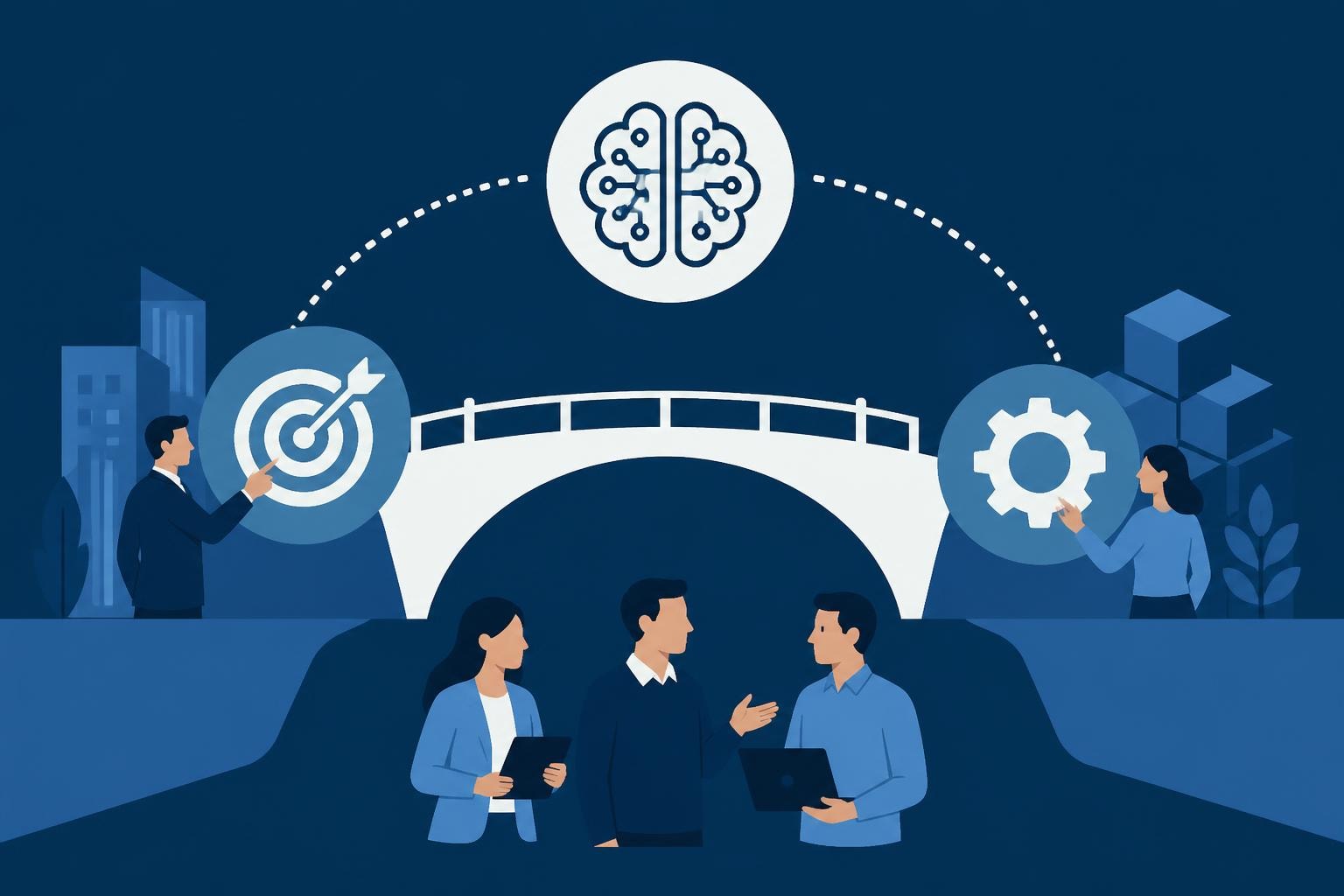
Organizations across every sector now recognize that artificial intelligence represents not just a competitive advantage but a fundamental requirement for survival. Yet understanding AI's potential and successfully implementing it are vastly different challenges. This gap has fueled explosive growth among artificial intelligence consulting companies, which serve as crucial intermediaries between cutting-edge technology and practical business applications. As we navigate 2026, the landscape of AI consulting has matured significantly, with firms offering increasingly specialized services tailored to specific industries, use cases, and organizational maturity levels.
The Evolving Landscape of AI Consulting Services
The AI consulting industry statistics reveal a market projected to reach unprecedented heights, with analysts forecasting continued double-digit growth through the end of the decade. This expansion reflects not merely technological advancement but fundamental shifts in how businesses approach digital transformation.
Artificial intelligence consulting companies today operate across a spectrum of engagement models. Some focus exclusively on strategic planning, helping executive teams understand where AI can create value within their specific business context. Others specialize in technical implementation, building and deploying machine learning models that solve concrete operational challenges. The most comprehensive firms offer end-to-end services spanning assessment, strategy development, technology selection, implementation, and ongoing optimization.
Service Categories Driving Market Growth
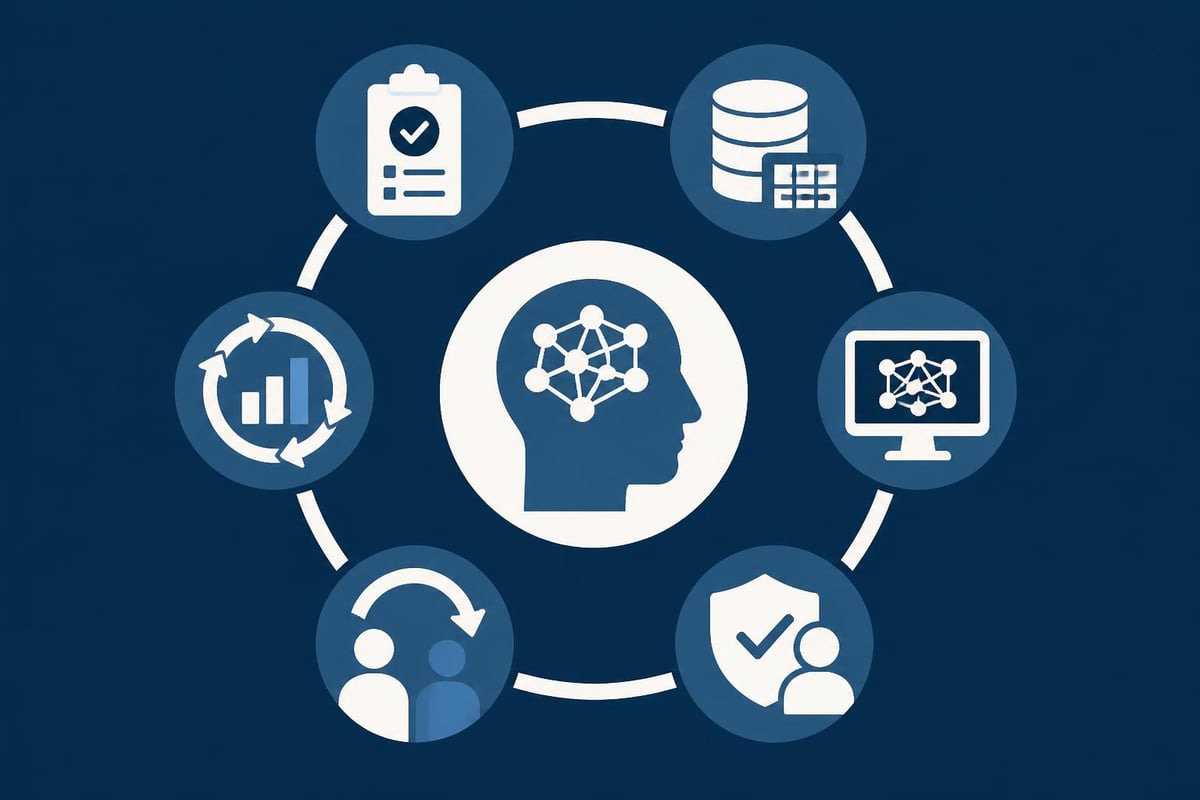
Modern AI consulting encompasses several distinct service categories:
- Strategic AI roadmapping and feasibility studies that identify high-value use cases aligned with business objectives
- Data infrastructure assessment and preparation to ensure organizations have the foundation necessary for AI success
- Custom model development and deployment tailored to specific industry requirements and regulatory constraints
- AI governance and ethics frameworks addressing responsible development and deployment concerns
- Change management and workforce enablement preparing teams to work effectively alongside AI systems
- Performance monitoring and continuous optimization ensuring sustained value delivery over time
According to recent market research, enterprise AI adoption and regulatory compliance requirements represent the two most significant growth drivers for consulting services. Organizations increasingly recognize that navigating complex regulatory environments while maximizing AI's business value requires specialized expertise that most internal teams lack.
Selecting the Right AI Consulting Partner
Choosing among artificial intelligence consulting companies requires careful evaluation across multiple dimensions. The decision significantly impacts not only project outcomes but also long-term organizational AI capabilities and culture.
Experience and Domain Expertise
The most critical selection criterion involves assessing a firm's demonstrated experience within your specific industry. AI applications in healthcare differ fundamentally from those in financial services, manufacturing, or retail. Consultants who understand your industry's unique challenges, regulatory requirements, and competitive dynamics deliver dramatically better results than generalists.
| Evaluation Criteria | What to Look For | Red Flags |
|---|---|---|
| Industry Track Record | Case studies and references from similar organizations | Generic examples across unrelated sectors |
| Technical Depth | Published research, patents, or open-source contributions | Vague descriptions of methodologies |
| Team Composition | Balance of data scientists, engineers, and business strategists | Overwhelming focus on sales personnel |
| Implementation Approach | Clear frameworks with measurable milestones | Promises of quick fixes or guaranteed outcomes |
Partnership philosophy matters as much as technical capability. The best artificial intelligence consulting companies view engagements as collaborative relationships rather than vendor-client transactions. They invest time understanding your organizational culture, existing technology stack, and long-term strategic vision before proposing solutions.
Delivery Models and Pricing Structures
AI consulting firms typically offer three primary engagement models. Fixed-price projects work well for clearly defined initiatives with specific deliverables and timelines. Time-and-materials arrangements provide flexibility for exploratory work or situations where requirements evolve during implementation. Outcome-based pricing, while less common, aligns consultant incentives with client success by tying compensation to achieved business results.
The comprehensive guide to AI consulting services emphasizes that pricing transparency should be non-negotiable. Reputable firms provide detailed breakdowns of estimated hours, team composition, technology costs, and contingency provisions. Be wary of consultants who cannot or will not explain their pricing methodology clearly.
The Market Bifurcation Reshaping AI Consulting
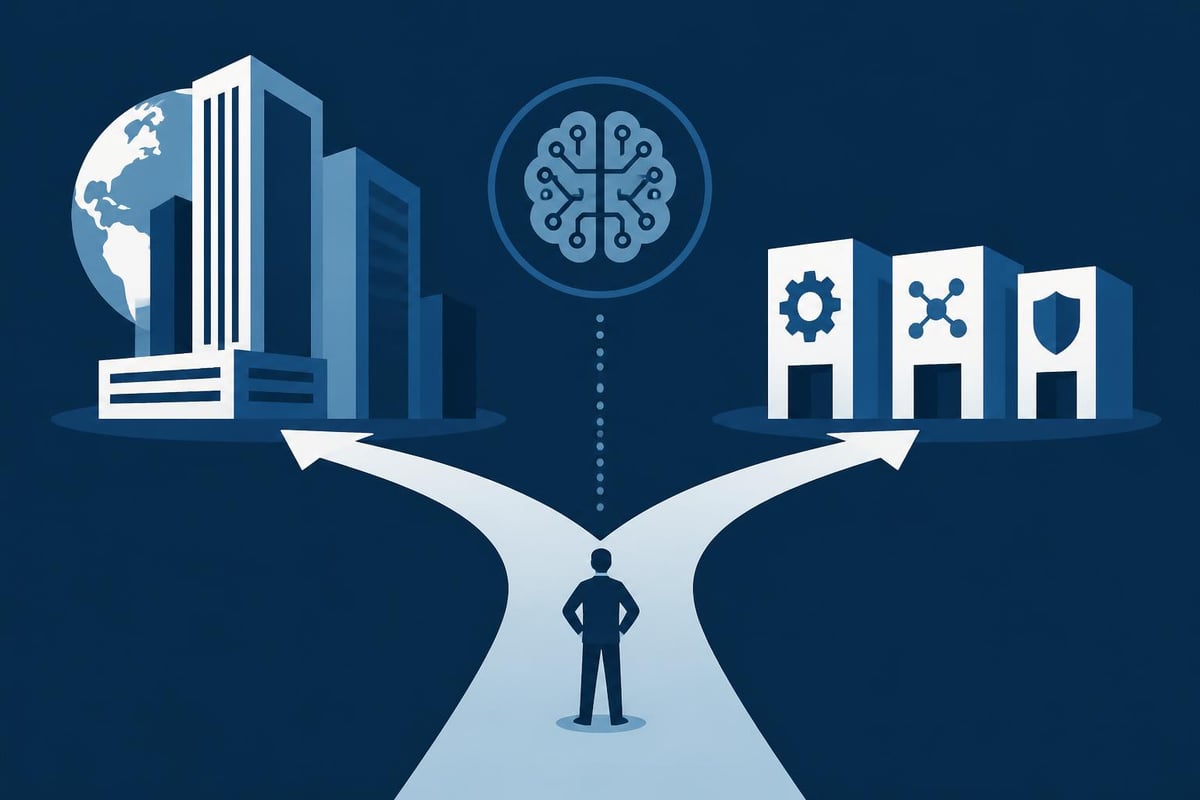
An interesting dynamic has emerged within the consulting landscape over the past eighteen months. Analysis of market trends shows artificial intelligence consulting companies increasingly falling into two distinct categories: large global firms with comprehensive service portfolios and specialized boutiques with deep expertise in specific AI applications or industries.
The Global Firm Advantage
Major consulting organizations offer several distinct benefits. Their scale enables them to assemble large, multidisciplinary teams quickly, which proves invaluable for enterprise-wide transformations. They maintain relationships with technology vendors, often securing preferential pricing or early access to emerging platforms. Their brand reputation can help build internal stakeholder confidence, particularly important when proposing significant AI investments.
However, these advantages come with tradeoffs. Large firms often have higher billing rates, reflecting both their overhead structures and brand premiums. Project teams may include junior consultants who lack extensive AI experience. Standardized methodologies, while proven across many engagements, sometimes fit poorly with unique organizational circumstances.
The Boutique Specialist Edge
Smaller, specialized artificial intelligence consulting companies have carved out successful niches by developing exceptional expertise in specific domains. A boutique focused exclusively on natural language processing for legal applications, for example, likely possesses deeper relevant knowledge than a generalist firm's AI practice.
These specialists typically offer more competitive pricing and greater partner involvement throughout engagements. Their survival depends on delivering exceptional results and building strong client relationships, creating powerful incentives for quality work. The limitation, of course, involves narrower service scope-a boutique excelling at computer vision may offer little help with conversational AI or predictive analytics.
Building Internal Capabilities While Leveraging External Expertise
Forward-thinking organizations view engagements with artificial intelligence consulting companies not merely as outsourcing relationships but as strategic learning opportunities. The goal involves solving immediate business challenges while simultaneously building internal capabilities that reduce long-term consulting dependency.
Knowledge Transfer Mechanisms
Effective consultants structure engagements to maximize knowledge transfer. This includes comprehensive documentation of models, algorithms, and decision logic; hands-on training sessions where internal teams work alongside consultants; and gradual responsibility transitions as internal capabilities mature.
Consider requesting the following elements in consulting agreements:
- Dedicated training workshops covering both technical foundations and specific implementations
- Embedded consulting models where consultants work within your teams rather than separately
- Documentation standards ensuring all work products remain accessible and understandable after engagement completion
- Office hours or support periods providing ongoing guidance as internal teams assume operational responsibility
- Technology transfer provisions clarifying ownership of custom models, code, and intellectual property
Organizations serious about building sustainable AI capabilities also invest in hiring verified AI professionals to complement consulting engagements. While consultants provide project-specific expertise and accelerate initial implementations, permanent team members develop the institutional knowledge and organizational relationships essential for long-term success. Platforms like Augmnt ATS help ensure that candidates possess genuine, verified skills rather than inflated credentials, addressing a significant challenge in AI talent acquisition.
Measuring ROI and Value Creation
Artificial intelligence consulting companies should be evaluated based on concrete business outcomes rather than technical sophistication alone. Establishing clear success metrics before engagement begins ensures accountability and provides objective bases for assessing value delivered.
Framework for AI Consulting ROI
| Metric Category | Example Measurements | Typical Timeline |
|---|---|---|
| Operational Efficiency | Process time reduction, error rate decrease, automation percentage | 3-6 months |
| Revenue Impact | Conversion rate improvement, customer lifetime value increase | 6-12 months |
| Cost Reduction | Labor cost savings, resource utilization optimization | 3-9 months |
| Strategic Positioning | Time-to-market acceleration, competitive differentiation | 12-24 months |
The most meaningful ROI assessments compare actual results against explicit predictions made during project scoping. Reputable consultants provide realistic projections based on similar engagements, acknowledging uncertainties and dependencies. Be skeptical of firms promising guaranteed returns without thoroughly understanding your specific situation.
Remember that some AI initiatives deliver value that resists simple quantification. Improved decision-making quality, enhanced employee satisfaction, or strengthened customer relationships create real business value even when exact dollar figures prove elusive. Work with consultants to establish both quantitative and qualitative success indicators.
Emerging Trends Shaping AI Consulting in 2026
The AI trends defining 2026 emphasize responsible development, industry-specific applications, and systematic modernization approaches. These shifts directly influence what artificial intelligence consulting companies prioritize and how they structure their service offerings.
Responsible AI as Standard Practice
Ethics and governance have moved from optional considerations to fundamental requirements. Consulting engagements now routinely include comprehensive assessments of potential biases in training data, fairness metrics for model outputs, and transparency mechanisms enabling stakeholder understanding of AI-driven decisions.
Leading firms have established dedicated responsible AI practices, drawing expertise from fields including ethics, law, social science, and public policy alongside traditional technical disciplines. This multidisciplinary approach reflects growing recognition that responsible AI development requires perspectives beyond engineering and data science.
Organizations should expect consultants to proactively raise questions about:
- Potential discriminatory impacts on protected groups
- Transparency and explainability requirements for specific use cases
- Data privacy protections and regulatory compliance
- Human oversight mechanisms and intervention protocols
- Ongoing monitoring systems detecting performance degradation or bias drift
Industry-Specific AI Models and Solutions
The era of general-purpose AI consulting has given way to deep specialization. Artificial intelligence consulting companies increasingly develop proprietary frameworks, pre-trained models, and accelerators tailored to specific industries or functional domains.
This specialization benefits clients through reduced implementation timelines and lower development costs. Rather than building every solution from scratch, consultants leverage proven components adapted to specific requirements. The approach also improves outcomes by incorporating industry-specific knowledge that generic models lack.
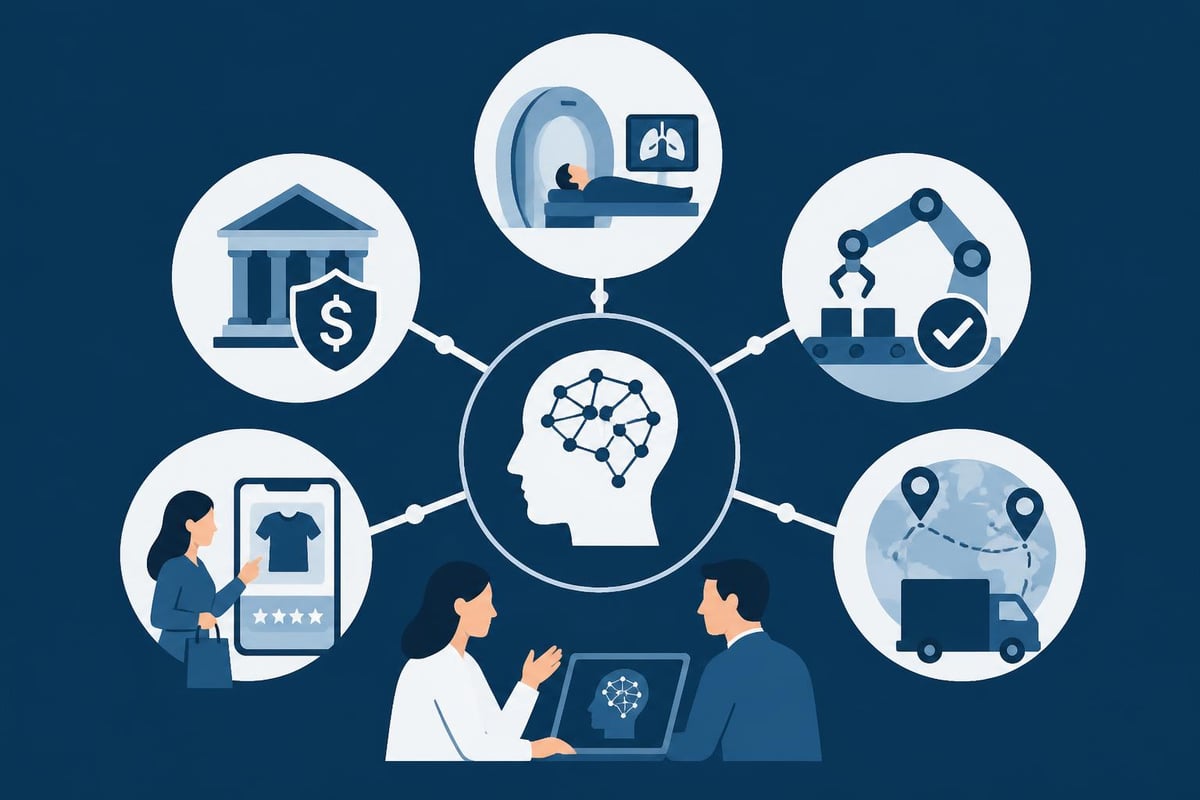
Financial services firms, for example, work with consultants offering pre-built models for fraud detection, credit risk assessment, or algorithmic trading-each incorporating regulatory requirements and industry best practices. Healthcare organizations benefit from consultants with established frameworks for clinical decision support, diagnostic imaging analysis, or drug discovery acceleration.
Integration with Existing Technology Ecosystems
Successful AI implementations rarely exist in isolation. They must integrate seamlessly with existing enterprise systems, data warehouses, business intelligence platforms, and operational workflows. Artificial intelligence consulting companies with strong integration capabilities deliver substantially more value than those focused exclusively on model development.
Critical Integration Considerations
Experienced consultants begin engagements by thoroughly mapping your current technology landscape. This assessment identifies potential integration challenges, data accessibility issues, and infrastructure limitations that might constrain AI initiatives. Early identification enables proactive planning rather than costly mid-project discoveries.
Key integration domains include:
- Data pipeline connections linking AI models to operational data sources with appropriate latency and reliability
- Output distribution mechanisms delivering predictions, recommendations, or insights to relevant business users and systems
- Security and access control ensuring AI components respect existing authentication, authorization, and audit requirements
- Monitoring and observability incorporating AI systems into existing IT operations and performance management frameworks
- API and microservices architecture enabling modular development and flexible deployment patterns
Many organizations find that exploring ATS integrations and similar platform connections helps them understand the broader ecosystem considerations relevant to AI implementations. The technical patterns and architectural approaches applicable to talent management systems often translate directly to other enterprise AI applications.
Managing Change and Driving Adoption
Technical excellence alone does not guarantee AI initiative success. The most sophisticated models deliver zero value if end users don't trust them, understand them, or incorporate them into daily workflows. This reality explains why leading artificial intelligence consulting companies invest heavily in change management capabilities alongside technical expertise.
Building Organizational AI Readiness
Change management for AI initiatives addresses several distinct challenges. Employees may fear job displacement or feel threatened by technologies they don't understand. Middle managers might resist systems that reduce their decision-making authority. Regulatory compliance teams could block deployments lacking adequate transparency or auditability.
Effective consultants help navigate these challenges through structured change programs including:
- Executive sponsorship cultivation ensuring visible leadership commitment and resources
- Stakeholder mapping and engagement planning identifying key influencers and addressing concerns proactively
- Communications strategies explaining AI capabilities, limitations, and implications clearly
- Training and enablement programs building confidence and competence among affected users
- Pilot project design demonstrating value with limited risk before broader rollouts
The current consulting industry trends emphasize that successful firms now position themselves as business transformation partners rather than pure technology implementers. This philosophical shift recognizes that AI's greatest challenges are often organizational rather than technical.
The Growing Importance of AI Governance Frameworks
As AI becomes integral to business operations across industries, governance frameworks have evolved from nice-to-have policies to business-critical infrastructure. Artificial intelligence consulting companies increasingly help organizations establish comprehensive governance programs addressing model lifecycle management, risk assessment, compliance verification, and continuous monitoring.
Components of Comprehensive AI Governance
Mature governance frameworks encompass multiple interconnected elements. Model inventory and documentation systems track all AI systems in production, capturing key metadata about training data, algorithms, performance metrics, and business applications. Risk assessment protocols evaluate potential impacts before deployment, considering accuracy requirements, fairness implications, security vulnerabilities, and regulatory obligations.
| Governance Component | Key Activities | Primary Stakeholders |
|---|---|---|
| Model Registry | Cataloging, versioning, documentation | Data science teams, IT operations |
| Risk Assessment | Impact analysis, compliance verification | Legal, compliance, risk management |
| Performance Monitoring | Accuracy tracking, drift detection | Data scientists, business owners |
| Ethics Review | Fairness evaluation, bias testing | Ethics committees, affected communities |
| Incident Response | Error handling, remediation protocols | IT security, customer service, PR |
Consultants help organizations right-size governance based on AI maturity and risk tolerance. Early-stage initiatives might implement lightweight frameworks focused on basic documentation and approval workflows. Regulated industries or organizations with extensive AI deployments require more comprehensive programs including dedicated governance committees, formal review processes, and sophisticated monitoring systems.
Vendor Ecosystem Relationships and Technology Selection
Artificial intelligence consulting companies maintain varying relationships with technology vendors, from complete independence to formal partnerships or reseller arrangements. Understanding these dynamics helps organizations navigate potential conflicts of interest while leveraging consultants' vendor relationships advantageously.
Independent vs. Vendor-Aligned Consultants
Independent consultants maintain no formal vendor relationships, positioning themselves as objective advisors during technology selection processes. This independence proves valuable when evaluating competing platforms or building custom solutions. However, these firms may lack deep expertise with specific tools or preferential pricing relationships.
Vendor-aligned consultants have formal partnerships with AI platform providers like IBM's consulting services or other major technology companies. These relationships often translate to deeper product expertise, preferential support access, and potentially better pricing. The tradeoff involves reduced objectivity-consultants naturally favor platforms from partners even when alternatives might better fit specific requirements.
The optimal approach depends on your situation. Organizations with predetermined technology selections benefit from vendor-aligned consultants who maximize chosen platform value. Those still evaluating options should prioritize independent advisors who recommend solutions based purely on fit rather than partnership economics.
Post-Implementation Support and Continuous Improvement
AI systems require ongoing attention after initial deployment. Models degrade as data distributions shift, business requirements evolve, and new opportunities emerge. Forward-thinking artificial intelligence consulting companies structure engagements to include post-launch support ensuring sustained value delivery.
Ongoing Optimization Models
Several support models address post-implementation needs effectively:
- Retainer arrangements providing defined monthly support hours for troubleshooting, minor enhancements, and advisory services
- Managed services agreements where consultants assume operational responsibility for deployed systems
- Quarterly business reviews assessing performance against objectives and identifying optimization opportunities
- On-demand consulting enabling organizations to engage specialists for specific challenges as needed
- Center of excellence partnerships where consultants help establish and support internal AI teams
Organizations building internal AI capabilities often start with comprehensive consulting support during initial implementations, then gradually transition to lighter-touch advisory relationships as internal teams mature. This phased approach balances immediate execution needs with long-term capability development.
Future-Proofing Your AI Strategy
Technology landscapes evolve rapidly, with new algorithms, platforms, and approaches emerging constantly. Effective artificial intelligence consulting companies help organizations build adaptable AI strategies that accommodate future developments without requiring complete rebuilds.
Future-proof approaches emphasize modular architectures enabling component replacement without system-wide disruption. They prioritize open standards and interoperability over proprietary lock-in. They establish processes for continuous learning and adaptation rather than treating AI as static implementations.
The most valuable consulting relationships extend beyond individual projects to become ongoing strategic partnerships. These consultants track emerging technologies relevant to your industry, benchmark your capabilities against competitors, and proactively propose innovations maintaining competitive advantage. When evaluating potential partners, consider not just immediate project needs but also whether the relationship could support long-term strategic evolution.
For organizations seeking to complement consulting engagements with permanent AI talent, platforms that provide verified candidate validation address critical quality concerns. The combination of expert consulting guidance and high-quality permanent teams creates sustainable competitive advantages that pure consulting or pure hiring approaches cannot match alone.
Artificial intelligence consulting companies serve as essential partners for organizations navigating the complex journey from AI potential to practical value creation. Success requires selecting consultants with relevant industry expertise, establishing clear success metrics, and viewing engagements as opportunities to build internal capabilities alongside solving immediate challenges. As AI becomes increasingly central to competitive strategy across every industry, the consulting relationships you build today will significantly influence your organization's trajectory for years to come. Augmnt helps you complement strategic consulting partnerships with verified AI professionals who possess the genuine skills needed to sustain long-term success, ensuring your AI initiatives deliver lasting value through the right combination of external expertise and internal capability.