AI Staffing Solutions: Transforming Recruitment in 2026
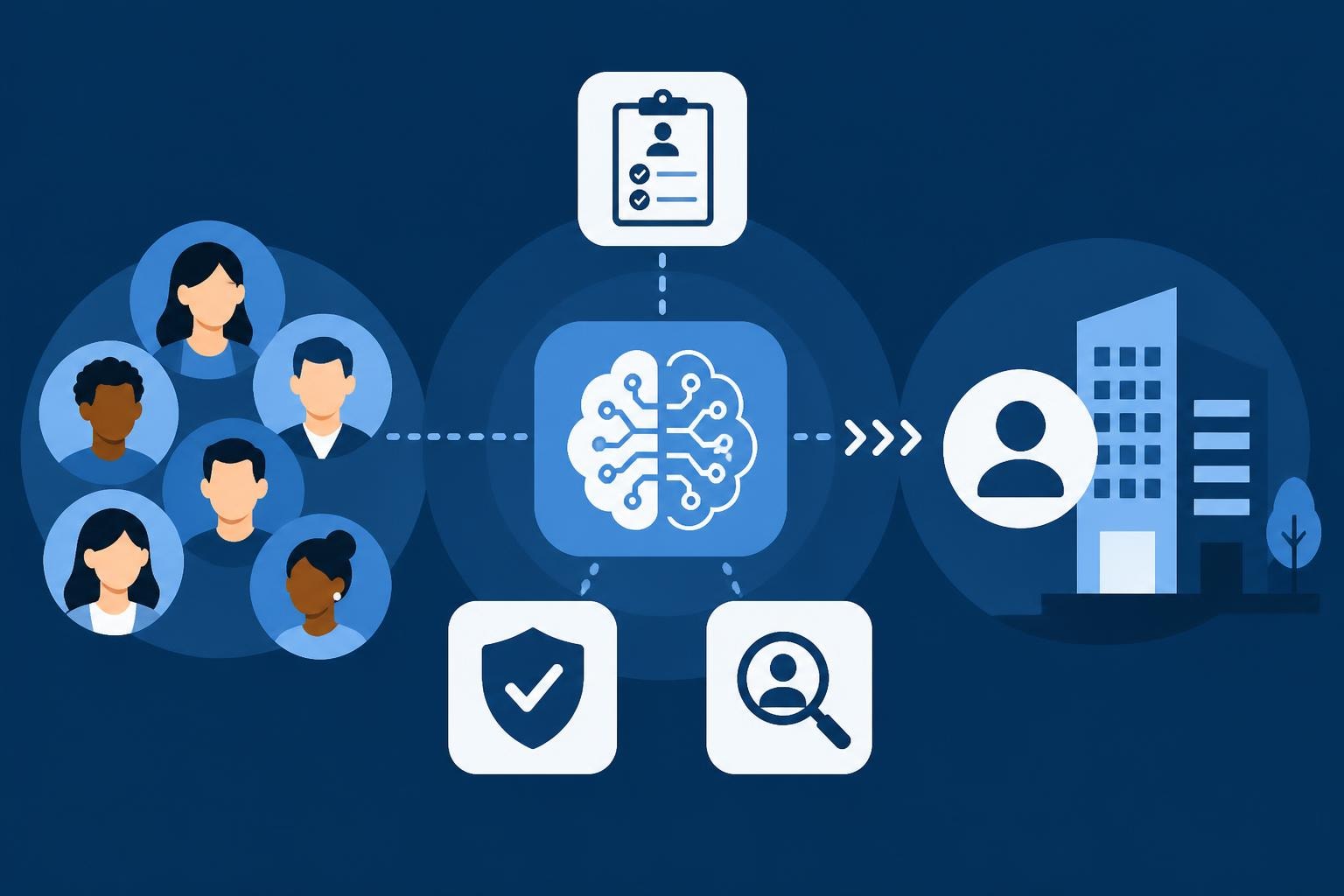
The recruitment landscape has undergone a seismic shift over the past few years, driven by artificial intelligence that fundamentally changes how organizations identify, evaluate, and hire talent. AI staffing solutions represent more than just another technological upgrade-they embody a complete reimagining of the talent acquisition process. These intelligent platforms combine machine learning algorithms, natural language processing, and predictive analytics to streamline every stage of recruitment, from initial candidate sourcing to final placement. As businesses face mounting pressure to hire faster while maintaining quality standards, AI-powered staffing tools have emerged as essential infrastructure for competitive talent strategies.
The Evolution of Staffing Through Artificial Intelligence
Traditional recruitment methods have long struggled with inefficiencies that cost organizations both time and money. Manual resume screening, inconsistent candidate evaluations, and unconscious bias have plagued hiring processes for decades. AI staffing solutions address these pain points by introducing systematic, data-driven approaches that enhance both speed and accuracy.
The transformation began with basic applicant tracking systems but has accelerated dramatically. Modern platforms now leverage sophisticated machine learning models for recruitment sourcing that can analyze thousands of candidates in minutes rather than weeks. These systems learn from historical hiring data to identify patterns that predict successful placements, continuously improving their recommendations over time.
Key Technologies Powering Modern AI Staffing
Several technological components work together to create comprehensive staffing solutions:
- Natural Language Processing (NLP) analyzes resumes, job descriptions, and candidate communications to extract meaningful insights
- Predictive Analytics forecasts candidate success rates and cultural fit based on historical performance data
- Computer Vision verifies credentials and detects document manipulation or fraud
- Automated Workflow Systems handle repetitive tasks like interview scheduling and follow-up communications
- Sentiment Analysis evaluates candidate enthusiasm and engagement throughout the hiring process
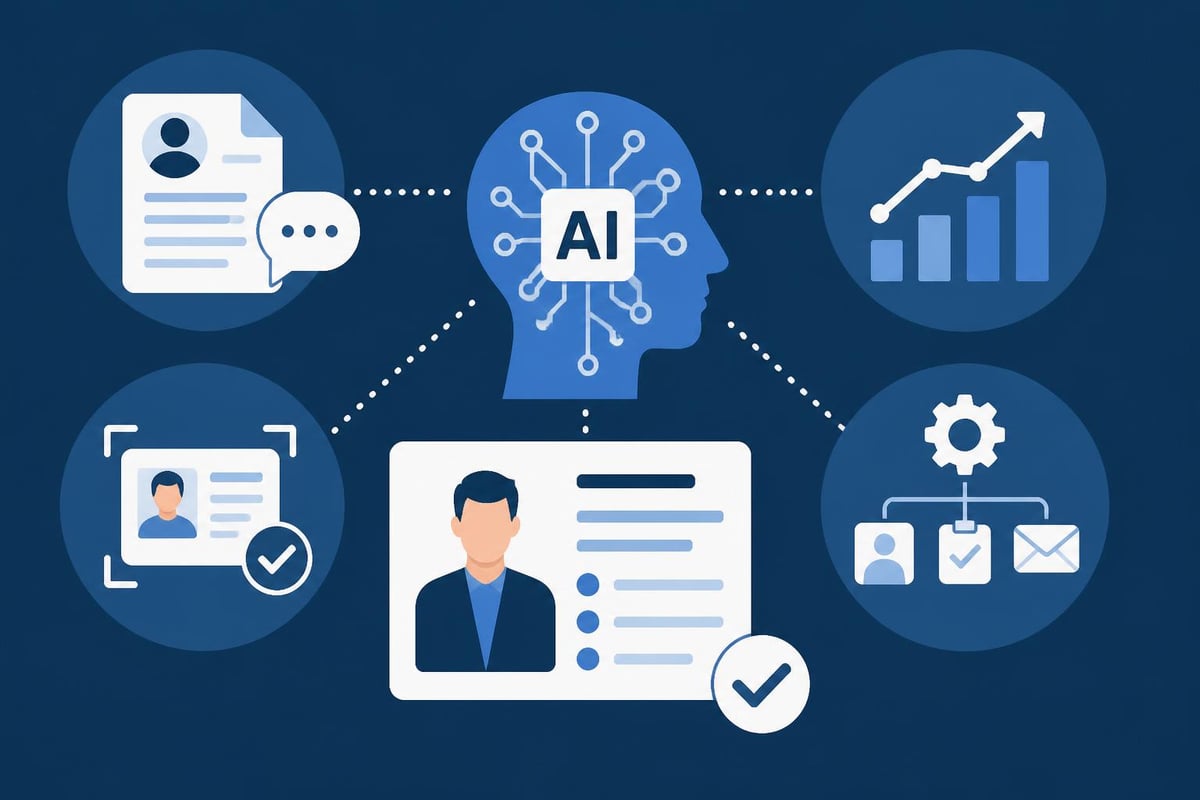
These technologies don't operate in isolation. The most effective ai staffing solutions integrate multiple capabilities into unified platforms that handle the entire recruitment lifecycle. Research into human-AI collaboration in software delivery demonstrates that optimal results emerge when AI augments rather than replaces human decision-making.
Addressing Critical Challenges in Modern Recruitment
The hiring landscape in 2026 presents unique obstacles that traditional methods simply cannot overcome efficiently. Talent shortages in specialized fields, particularly in AI and technology sectors, have intensified competition for qualified professionals. Simultaneously, the proliferation of fraudulent applications and inflated credentials has made verification more critical than ever.
Resume Fraud Detection and Candidate Verification
One of the most valuable applications of AI in staffing involves identifying misrepresentation and fraud in candidate profiles. Studies estimate that approximately 40% of resumes contain some form of embellishment or fabrication. AI-powered verification systems compare candidate claims against verified databases, cross-reference work histories, and flag inconsistencies that warrant further investigation.
The Augmnt ATS platform exemplifies this approach by combining AI-driven fraud detection with comprehensive candidate validation. Such systems analyze multiple data points simultaneously-educational credentials, employment timelines, skill certifications, and professional references-creating a holistic verification profile that would be impossible to compile manually within reasonable timeframes.
| Verification Type | Manual Process Time | AI-Assisted Time | Accuracy Improvement |
|---|---|---|---|
| Education Credentials | 5-7 business days | 2-4 hours | 95% reduction in false positives |
| Employment History | 3-5 business days | 1-2 hours | 87% improvement in discrepancy detection |
| Skill Assessments | 2-3 days | Real-time | 92% correlation with on-job performance |
| Reference Checks | 4-6 business days | 6-12 hours | 78% more comprehensive data collection |
Reducing Time-to-Hire Without Sacrificing Quality
Speed and quality have historically existed in tension within recruitment. Rushing the process increases the risk of bad hires, while thorough vetting extends timelines beyond what competitive markets allow. AI staffing solutions resolve this dilemma by automating time-consuming tasks while simultaneously improving evaluation accuracy.
Intelligent screening algorithms can review hundreds of applications in the time it takes a human recruiter to assess five. More importantly, these systems maintain consistent evaluation criteria across all candidates, eliminating the fatigue-based inconsistencies that affect human reviewers. For hiring managers, this means access to pre-vetted talent pools where every candidate has already passed rigorous automated screening.
Intelligent Matching and Skills-Based Hiring
The shift toward skills-based hiring represents one of the most significant changes in modern recruitment philosophy. Rather than relying heavily on credentials and past job titles, forward-thinking organizations now prioritize demonstrable capabilities and competencies. AI staffing solutions excel in this environment because they can objectively assess skills through multiple evaluation methods.
Advanced platforms implement multi-dimensional matching algorithms that consider far more variables than human recruiters could practically analyze:
- Technical skill proficiency measured through automated assessments and coding challenges
- Soft skill indicators derived from communication patterns and behavioral analysis
- Cultural alignment predicted through values assessment and team compatibility scoring
- Learning potential estimated from past skill acquisition patterns and adaptability metrics
- Project-specific fit calculated by matching candidate experience to unique job requirements
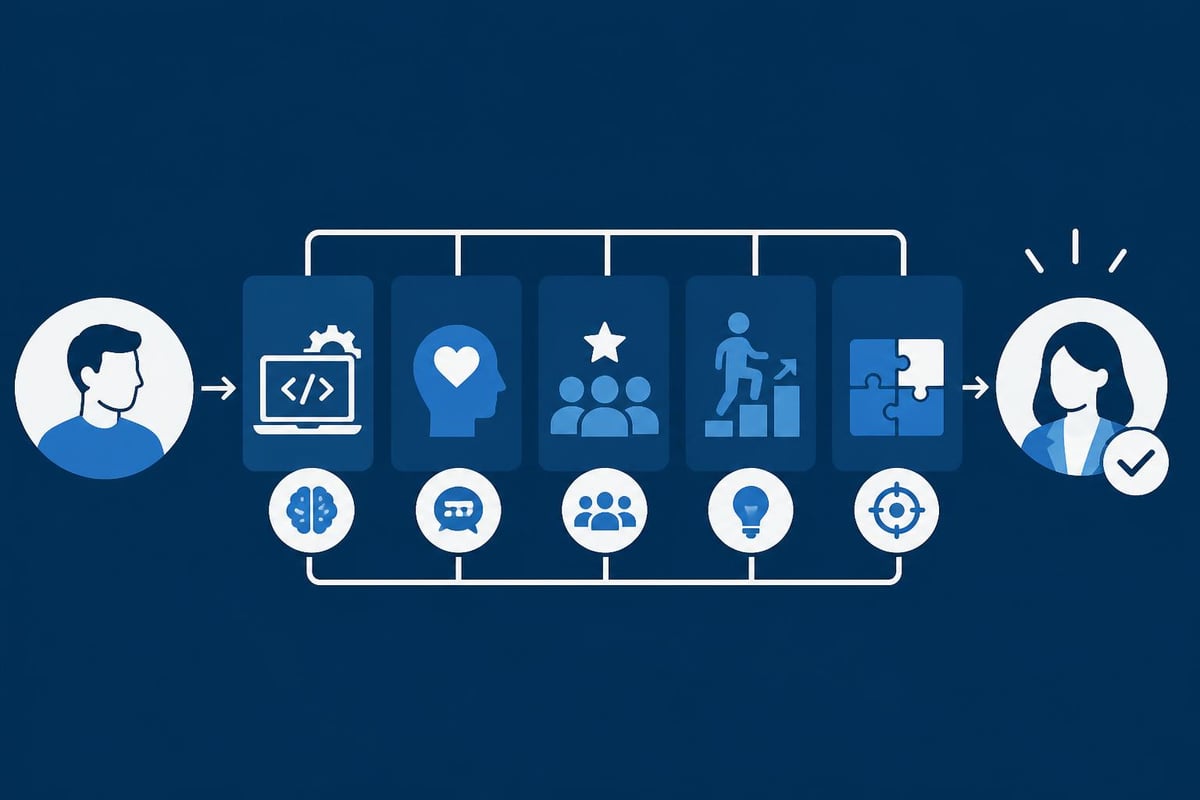
This comprehensive approach produces matches that traditional keyword-based systems would miss entirely. A candidate who doesn't have an exact job title match might possess the precise skill combination a role requires, and AI systems identify these hidden connections.
The Role of Continuous Learning in AI Staffing
Modern ai staffing solutions implement feedback loops that make them progressively more effective. When a placement succeeds or fails, the system incorporates that outcome into its training data. Over time, this creates increasingly accurate predictive models tailored to specific organizations' needs and cultures.
Platforms like WurkNow demonstrate how comprehensive staffing solutions can integrate sourcing, engagement, onboarding, and management into single unified systems. These end-to-end platforms capture data at every stage, enabling continuous optimization across the entire talent lifecycle.
Industry-Specific Applications and Specialized Talent
While AI staffing solutions offer broad applicability, certain industries have seen particularly transformative impacts. The technology sector, healthcare, finance, and professional services have emerged as early adopters due to their acute talent shortages and high cost-per-hire metrics.
AI and Technology Talent Acquisition
Finding qualified AI professionals presents unique challenges given the field's rapid evolution and limited talent pool. Traditional recruiting struggles to differentiate between candidates with superficial familiarity and those with genuine expertise. Specialized platforms like Sitka AI Technologies address this by maintaining curated networks of vetted AI engineers available for rapid deployment.
The technical assessment capabilities within ai staffing solutions have become particularly sophisticated for evaluating engineering talent:
- Live coding evaluations that assess problem-solving approaches and code quality
- Machine learning model reviews analyzing candidates' actual work on real-world projects
- Technical interview simulations conducted by AI systems trained on expert interviews
- Open-source contribution analysis evaluating candidates' publicly available code repositories
- Collaborative problem-solving assessments measuring teamwork and communication during technical challenges
Temporary and Contract Staffing Optimization
The gig economy and project-based work have expanded dramatically, creating new staffing challenges around rapid mobilization and workforce flexibility. AI platforms excel in this domain by maintaining ready talent pools and matching candidates to short-term needs with minimal friction.
Instawork's AI-powered platform illustrates how intelligent systems can match businesses with vetted workers for both temporary and permanent positions. These platforms handle the complexity of shift scheduling, credential verification, and performance tracking that make temporary staffing particularly challenging to manage manually.
Research into staffing strategies for many-server systems provides theoretical foundations for optimizing workforce allocation under varying demand conditions-principles that directly apply to modern flexible staffing scenarios.
Implementation Strategies for Organizations
Successfully deploying ai staffing solutions requires more than simply purchasing software. Organizations must approach implementation strategically, considering integration with existing systems, change management for recruiting teams, and alignment with broader talent strategies.
Evaluating and Selecting the Right Platform
Not all AI staffing tools offer the same capabilities or suit every organization's needs. When evaluating options, recruitment leaders should assess several critical dimensions:
| Evaluation Criterion | Key Questions | Priority Level |
|---|---|---|
| Integration Capabilities | Does it connect with our existing ATS integrations? | High |
| Verification Depth | How thoroughly does it validate credentials and detect fraud? | High |
| Customization Options | Can we train it on our specific hiring patterns? | Medium |
| User Experience | Will recruiters actually adopt this tool? | High |
| Data Security | How is sensitive candidate information protected? | Critical |
| Scalability | Can it handle our growth projections? | Medium |
Organizations should request pilot programs or trials that allow real-world testing before full deployment. The most sophisticated platforms will demonstrate measurable improvements in key metrics like time-to-hire, cost-per-hire, and quality-of-hire within the trial period.
Change Management and Adoption
Technology alone cannot transform recruitment processes-human adoption determines ultimate success. Recruiting teams may initially resist AI tools due to concerns about job security or skepticism about AI's capabilities. Effective implementation addresses these concerns through transparent communication and demonstrated value.
Training programs should emphasize how AI staffing solutions augment rather than replace human recruiters. While AI handles repetitive screening and initial evaluation, human professionals focus on relationship building, nuanced candidate assessment, and strategic talent planning. This division of labor typically increases job satisfaction as recruiters spend more time on meaningful interactions and less on administrative tasks.
Measuring ROI and Performance Optimization
Quantifying the impact of ai staffing solutions requires establishing clear metrics before implementation and tracking them consistently afterward. Organizations should focus on both efficiency gains and quality improvements.
Key Performance Indicators for AI Staffing
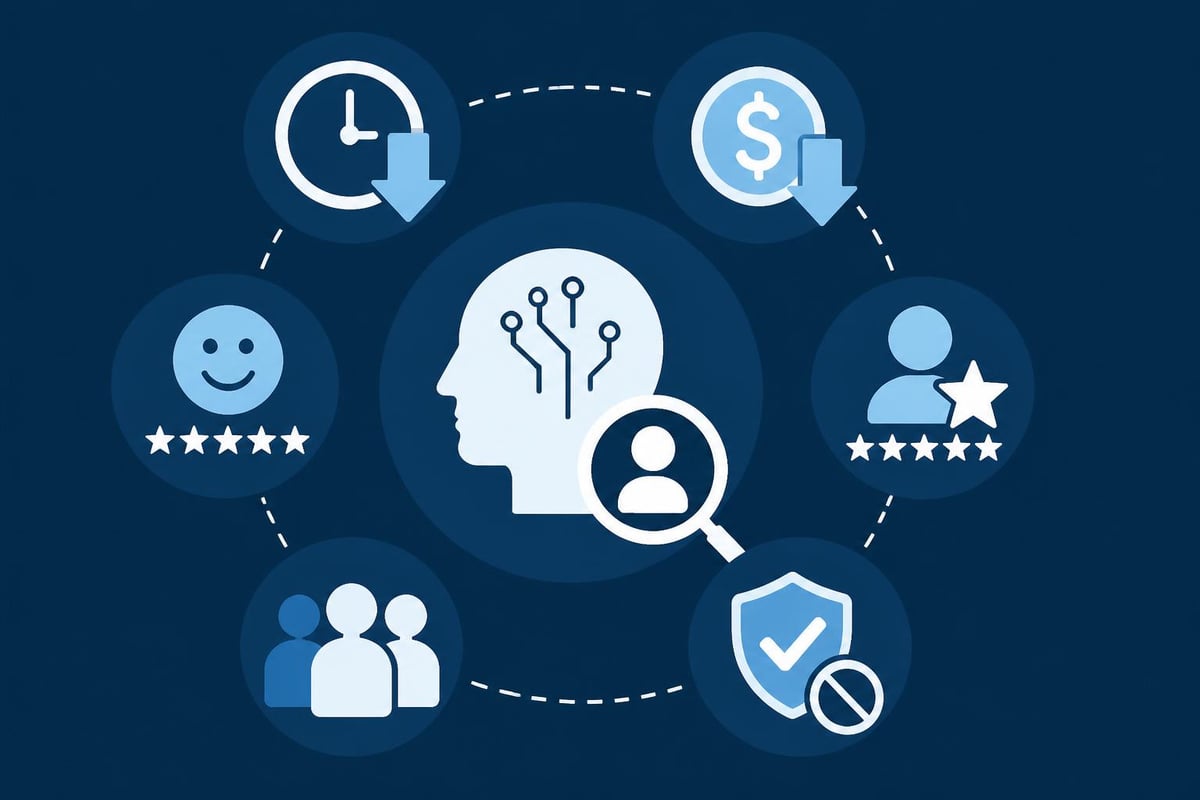
Essential metrics include:
- Time-to-fill reduction comparing before and after implementation periods
- Cost-per-hire decreases accounting for both direct and indirect expenses
- Quality-of-hire improvements measured through new hire performance ratings and retention
- Candidate experience scores gathered through surveys and feedback mechanisms
- Diversity hiring metrics tracking improvements in inclusive recruiting
- Fraud detection rates quantifying prevented bad hires and associated costs
The most valuable insights emerge from comparing these metrics against industry benchmarks and tracking trends over time. Organizations should expect gradual improvements as AI systems learn and optimize rather than immediate dramatic changes.
Continuous Optimization Through Data Analysis
Modern ai staffing solutions generate extensive data about recruitment processes, candidate pools, and hiring outcomes. Organizations that leverage this data for continuous improvement realize the greatest long-term value. Regular analysis should identify bottlenecks, bias patterns, and optimization opportunities.
For example, if data reveals that candidates from certain sources consistently outperform others, recruiting teams can reallocate resources accordingly. If particular assessment methods prove more predictive than others, the AI system can weight them more heavily in overall evaluations.
Ethical Considerations and Bias Mitigation
The power of AI staffing solutions brings important ethical responsibilities. Algorithms trained on historical data can perpetuate or even amplify existing biases if not carefully designed and monitored. Organizations must approach AI implementation with awareness of these risks and commitment to fairness.
Building Fairness Into AI Systems
Responsible ai staffing solutions incorporate multiple safeguards against bias:
- Diverse training data that represents varied demographics and backgrounds
- Regular bias audits testing system outputs for discriminatory patterns
- Explainable AI features allowing humans to understand recommendation reasoning
- Human oversight requirements preventing fully automated decisions on sensitive matters
- Continuous monitoring systems detecting bias emergence in real-time
Research on LLM agents for staffing and profiling emphasizes the importance of human-centric design in automated personnel management. Systems should empower human decision-makers with better information rather than attempting to remove humans from the process entirely.
Transparency and Candidate Communication
Job seekers deserve to understand how AI influences hiring decisions affecting their careers. Leading organizations inform candidates when AI tools participate in screening and provide mechanisms for human review when automated systems reject applications. This transparency builds trust and protects against potential legal challenges.
Voice-first recruiting platforms like JobTalk AI demonstrate how AI can enhance candidate experience through immediate responsiveness and consistent communication while maintaining transparency about automation's role.
Future Developments in AI Staffing Technology
The trajectory of ai staffing solutions points toward increasingly sophisticated capabilities that will further transform talent acquisition. Several emerging trends merit attention from forward-looking organizations.
Predictive Workforce Planning
Next-generation platforms will move beyond reactive hiring to proactive talent pipeline development. By analyzing business metrics, market trends, and organizational growth patterns, AI systems will predict future staffing needs months or years in advance. This allows organizations to build talent relationships before urgent needs arise.
Hyper-Personalization at Scale
Future AI staffing solutions will deliver individualized candidate experiences while processing thousands of applications. Systems will tailor communications, assessment methods, and engagement strategies to individual candidate preferences and characteristics, dramatically improving conversion rates throughout the funnel.
Blockchain for Credential Verification
Distributed ledger technology promises to revolutionize credential verification by creating tamper-proof records of education, certifications, and work history. Integration with AI staffing platforms will enable instant verification without third-party delays, virtually eliminating resume fraud.
Augmented Reality in Remote Hiring
As remote work continues expanding, AI-powered AR tools will enable immersive virtual interviews and work simulations. Candidates will demonstrate skills in realistic scenarios while AI systems capture performance data far richer than traditional video interviews provide.
Platforms like Wolf are already developing comprehensive, AI-first staffing solutions that anticipate these future capabilities, enabling businesses to launch fully-branded staffing operations quickly.
Building Competitive Advantage Through AI Staffing
Organizations that strategically implement ai staffing solutions position themselves for significant competitive advantages. In talent-constrained markets, the ability to identify and secure top candidates faster than competitors directly impacts business outcomes. Superior hiring efficiency translates to stronger teams, faster project delivery, and better market positioning.
The compound effects of improved hiring become evident over time. Each successful placement strengthens organizational capabilities while failed hires drain resources and momentum. AI staffing solutions improve the success rate of every hiring decision, creating cumulative advantages that accelerate over quarters and years.
For businesses focused on AI talent specifically, specialized marketplaces offer particular value by combining technology with domain expertise. Candidates can explore opportunities on platforms designed specifically for AI professional placement, accessing positions that might never appear on general job boards.
Strategic Partnerships and Ecosystem Development
Organizations increasingly recognize they cannot build every capability internally. Strategic partnerships with AI staffing solution providers enable access to cutting-edge technology without massive development investments. The partner program model allows businesses to leverage specialized expertise while focusing internal resources on core competencies.
These partnerships often extend beyond simple vendor relationships to become integral components of talent strategy. The best providers function as true strategic partners, offering insights into market trends, talent availability, and competitive intelligence that inform broader business decisions.
The transformation of recruitment through AI staffing solutions represents one of the most significant operational improvements available to modern organizations. By automating repetitive tasks, eliminating fraud, and enabling data-driven decisions, these platforms fundamentally improve both the efficiency and effectiveness of talent acquisition. Augmnt delivers precisely this combination-an intelligent marketplace that connects businesses with verified AI professionals through comprehensive candidate validation and fraud detection, ensuring every introduction represents genuine talent and authentic credentials.