AI Recruiting Platform: Transform Your Hiring in 2026
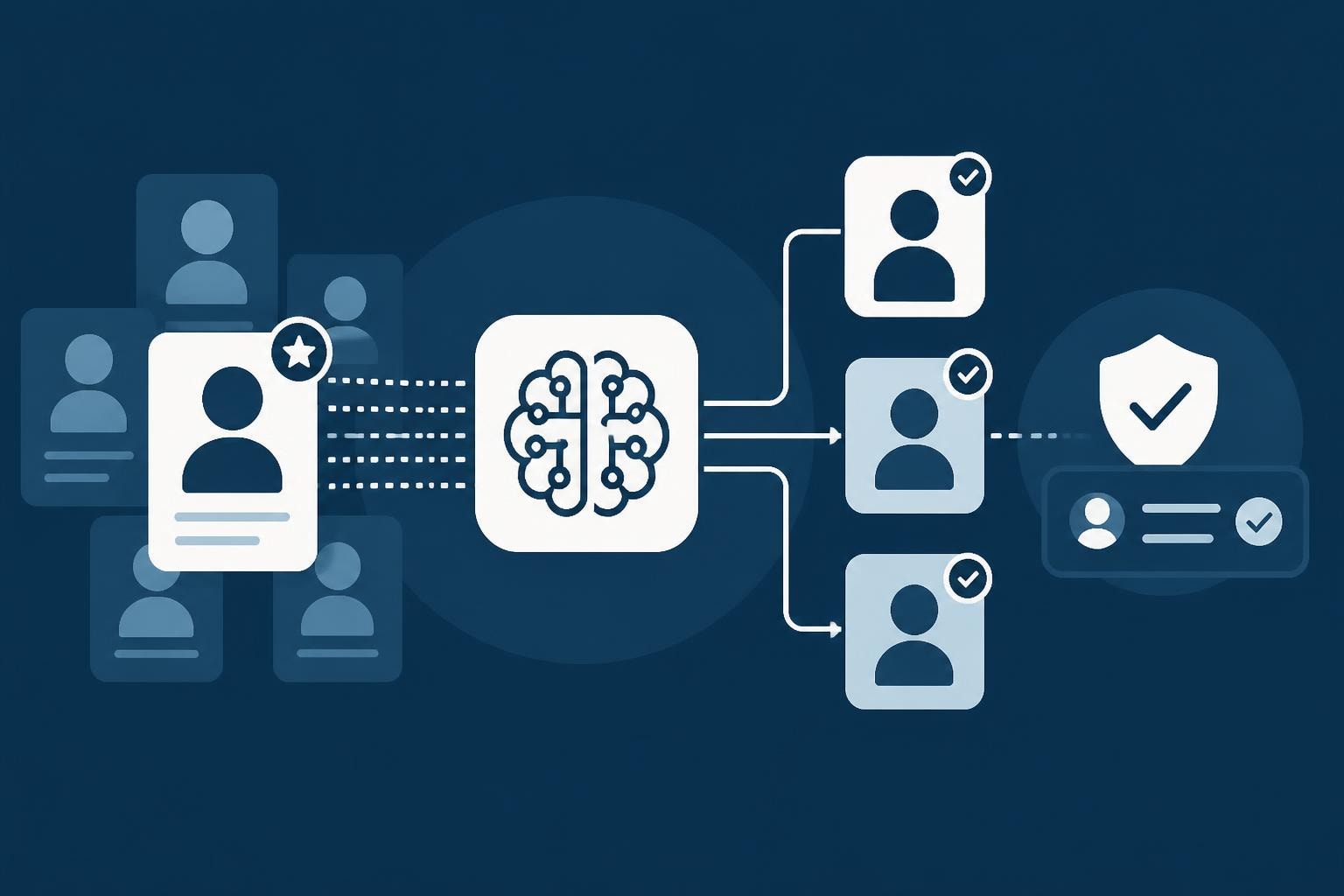
The recruitment landscape has undergone a fundamental transformation as organizations struggle to manage unprecedented application volumes while maintaining quality standards. An ai recruiting platform represents more than just automation-it's a comprehensive solution that combines artificial intelligence with strategic hiring processes to identify, evaluate, and engage the right candidates efficiently. These platforms address critical challenges including resume fraud, skill verification, and time-to-hire metrics that traditional methods simply cannot match. As businesses compete for specialized talent, particularly in emerging fields like artificial intelligence and machine learning, the need for intelligent recruiting solutions has never been more pressing.
Understanding the Core Components of Modern AI Recruitment
An ai recruiting platform operates through several interconnected technologies working in concert to optimize the hiring lifecycle. At its foundation, natural language processing analyzes resumes, job descriptions, and candidate communications to extract meaningful insights about qualifications and fit. Machine learning algorithms continuously improve their matching capabilities by learning from hiring outcomes and recruiter feedback.
Intelligent Candidate Sourcing and Screening
The sourcing capabilities of these platforms extend far beyond simple keyword matching. Advanced systems evaluate candidates across multiple dimensions simultaneously, considering hard skills, soft skills, experience trajectory, and cultural indicators. Research on AI-driven recruitment sourcing tools demonstrates how these technologies benchmark against traditional methods, often identifying qualified candidates that human reviewers might overlook.
Key sourcing features include:
- Automated job board posting across multiple platforms
- Passive candidate identification through social media and professional networks
- Skills-based matching that prioritizes competencies over credentials
- Diversity-focused candidate pools to reduce unconscious bias
The screening phase leverages AI to conduct initial assessments at scale. Unlike human reviewers who may fatigue after reviewing dozens of applications, an ai recruiting platform maintains consistency across thousands of candidates. This consistency proves particularly valuable when handling high-volume hiring scenarios or when seeking specialized expertise in niche domains.
Addressing Resume Fraud and Credential Verification
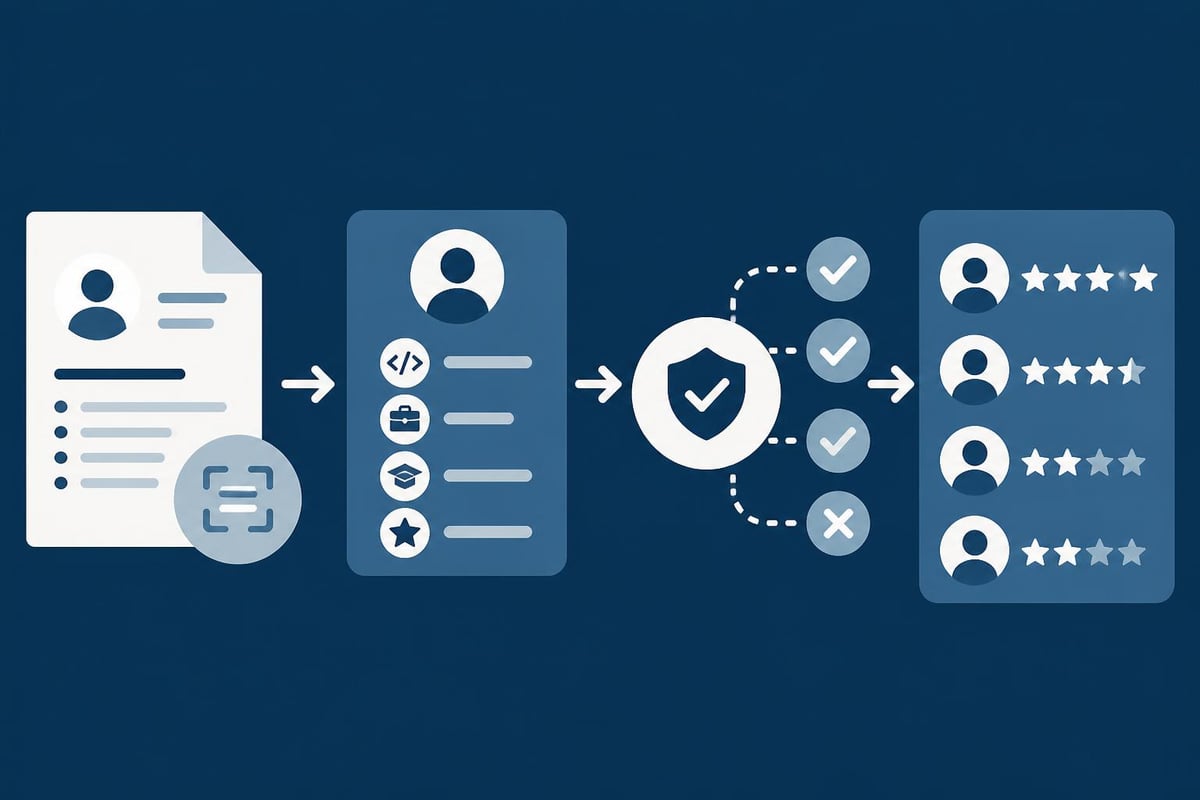
One of the most significant challenges in modern recruitment involves the alarming increase in application fraud. Candidates may exaggerate qualifications, fabricate employment histories, or misrepresent technical capabilities. An ai recruiting platform equipped with fraud detection capabilities analyzes inconsistencies in application materials, cross-references claimed credentials against verified databases, and flags suspicious patterns for human review.
| Fraud Detection Method | What It Catches | Accuracy Level |
|---|---|---|
| Pattern Recognition | Duplicate or template resumes | 92-95% |
| Credential Verification | False certifications and degrees | 88-93% |
| Employment History Analysis | Timeline gaps and inconsistencies | 85-90% |
| Skills Assessment Correlation | Claimed vs. demonstrated abilities | 90-94% |
Platforms like Augmnt ATS integrate comprehensive candidate validation directly into the hiring workflow, combining resume fraud detection with skill verification to ensure only qualified, legitimate candidates progress through the pipeline. This level of scrutiny protects organizations from costly bad hires while maintaining a positive candidate experience for honest applicants.
The Human-AI Collaboration Model
Despite technological sophistication, the most effective ai recruiting platform implementations maintain human oversight at critical decision points. AI excels at processing data, identifying patterns, and handling repetitive tasks, but human judgment remains essential for evaluating cultural fit, interpreting nuanced experiences, and making final hiring decisions.
This collaborative approach addresses growing candidate concerns about AI in hiring. Transparency about how AI supports rather than replaces human decision-making helps maintain trust throughout the recruitment process.
Measuring Impact Through Quantifiable Metrics
Organizations implementing an ai recruiting platform should establish clear performance indicators to validate their investment. Empirical research on AI-assisted recruitment benefits provides frameworks for measuring improvements across multiple dimensions of the hiring process.
Time and Cost Efficiency Gains
Typical improvements include:
- Time-to-hire reduction: 35-50% decrease from posting to offer acceptance
- Cost-per-hire savings: 30-45% reduction in recruitment expenses
- Recruiter productivity: 60-75% more candidates evaluated per recruiter
- Quality-of-hire improvement: 25-40% increase in 90-day retention rates
- Diversity metrics enhancement: 20-35% improvement in diverse candidate slates
These metrics translate directly to competitive advantages. Organizations that can identify and secure talent faster gain access to the best candidates before competitors. The cost savings enable reallocation of resources toward candidate experience improvements, employer branding, or compensation competitiveness.
Integration Capabilities and Workflow Automation
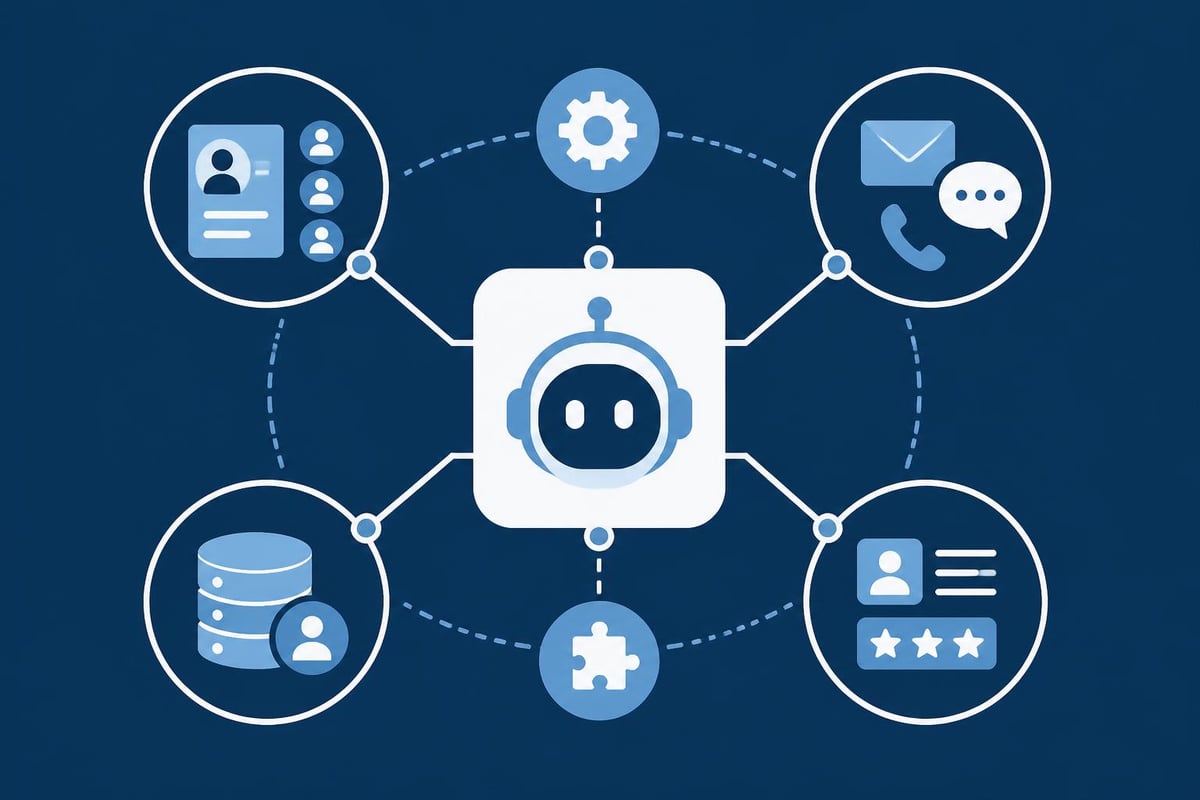
An effective ai recruiting platform doesn't operate in isolation. It must integrate seamlessly with existing ATS systems, HRIS platforms, and communication tools to create a unified hiring ecosystem. Modern solutions offer pre-built integrations with popular enterprise software while providing APIs for custom connections.
Automated Workflow Examples
Consider a typical hiring workflow transformation. Before AI implementation, a recruiter might spend hours manually reviewing applications, scheduling interviews, and updating candidate statuses. An ai recruiting platform automates these tasks while maintaining personalization.
| Manual Process | AI-Enhanced Process | Time Saved |
|---|---|---|
| Initial resume review (500 applications) | Automated screening with ranked results | 18-22 hours |
| Interview scheduling coordination | Self-service scheduling with calendar sync | 6-8 hours |
| Status updates and candidate communications | Triggered emails based on workflow stage | 4-6 hours |
| Reference checking and verification | Automated outreach and response collection | 8-10 hours |
The cumulative effect of these time savings allows recruiters to focus on relationship-building activities that genuinely require human expertise: engaging passive candidates, conducting in-depth interviews, and advising hiring managers on complex decisions.
Specialized Considerations for AI and Technical Talent
Recruiting for artificial intelligence roles presents unique challenges that make an ai recruiting platform particularly valuable. The talent pool remains limited, candidates often receive multiple offers simultaneously, and accurately assessing technical competencies requires specialized knowledge.
Skills-Based Evaluation for Technical Roles
Traditional credential-based screening proves insufficient for AI positions where practical experience often matters more than formal education. An ai recruiting platform can evaluate GitHub contributions, published research, competition results, and project portfolios to build comprehensive skill profiles.
Evidence on how AI skills influence job prospects highlights the growing importance of demonstrated capabilities over traditional qualifications. Platforms that can objectively assess these skills help organizations identify talent they might otherwise miss.
Technical assessment features include:
- Coding challenges integrated into the application workflow
- Portfolio analysis using natural language processing
- Open-source contribution evaluation
- Technical interview scheduling with appropriate specialists
- Skills taxonomy matching for niche AI specializations
For organizations building AI capabilities, finding candidates who combine technical expertise with practical problem-solving abilities becomes critical. The right platform accelerates this discovery process while maintaining rigorous quality standards.
Candidate Experience and Engagement Strategies
While an ai recruiting platform primarily serves organizational needs, candidate experience directly impacts hiring outcomes. Top talent evaluates potential employers based on recruitment process quality, responsiveness, and professionalism. Poor experiences drive candidates toward competitors regardless of compensation offers.
Personalization at Scale
AI enables personalized communication that would be impossible manually. Candidates receive tailored job recommendations based on their skills and career trajectory. Status updates arrive proactively rather than requiring follow-up inquiries. Interview preparation materials address specific role requirements and company culture.
Recent industry developments, such as Workday's acquisition of conversational AI platform Paradox, demonstrate the growing emphasis on conversational interfaces that make recruitment feel more human despite automation.
Evaluating Platform Options for Your Organization
Selecting an ai recruiting platform requires careful consideration of organizational needs, existing technology infrastructure, and growth objectives. Comprehensive reviews of recruitment platforms provide starting points, but final decisions should account for specific use cases.
Essential Evaluation Criteria
When comparing platforms, consider these critical factors:
- Matching algorithm sophistication: How does the system evaluate candidate fit beyond keyword matching?
- Fraud prevention capabilities: What verification processes protect against resume fabrication?
- Integration flexibility: Can the platform connect with your existing technology stack?
- Scalability: Will the solution support growing hiring volumes and geographic expansion?
- Compliance features: Does it maintain EEOC, GDPR, and other regulatory requirements?
- Reporting and analytics: What insights does it provide for continuous improvement?
Organizations should request demonstrations using real job descriptions and candidate pools to evaluate practical performance rather than theoretical capabilities.
Implementation Strategy and Change Management
Introducing an ai recruiting platform requires more than technical setup. Successful implementations address the human elements of change, including recruiter training, stakeholder communication, and process redesign.
Phased Rollout Approach
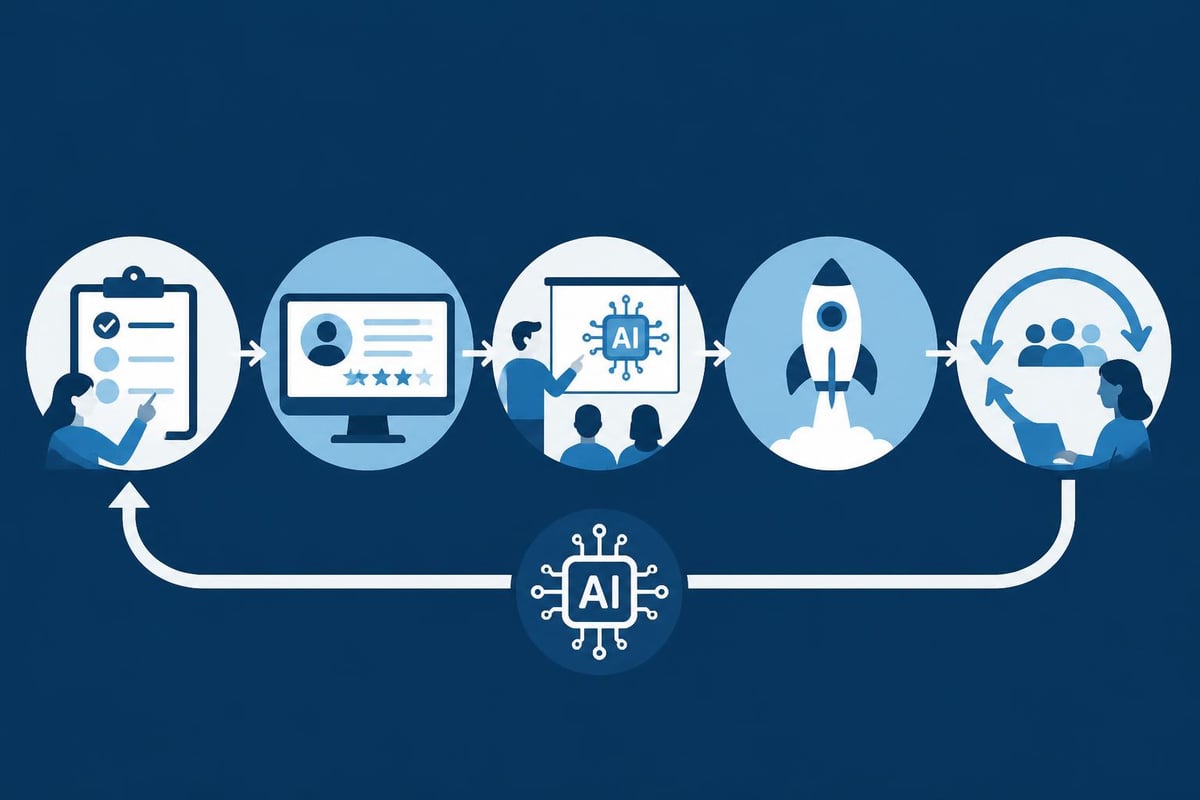
Recommended implementation phases:
- Phase 1 (Weeks 1-2): Platform configuration, data migration, and integration setup
- Phase 2 (Weeks 3-4): Pilot program with single department or role type
- Phase 3 (Weeks 5-6): Feedback collection, process refinement, and recruiter training
- Phase 4 (Weeks 7-8): Gradual expansion across additional roles and departments
- Phase 5 (Ongoing): Performance monitoring, algorithm tuning, and feature optimization
This incremental approach minimizes disruption while allowing teams to develop proficiency before full-scale deployment. Early wins from the pilot phase build organizational confidence and support broader adoption.
Continuous Improvement Through Data Analysis
An ai recruiting platform generates vast amounts of data about hiring patterns, candidate behaviors, and process bottlenecks. Organizations that systematically analyze this information gain competitive intelligence unavailable to those using traditional methods.
Systematic reviews of AI in employee recruitment emphasize the importance of ongoing evaluation and refinement. Algorithms should be regularly audited for bias, accuracy metrics should be tracked against baselines, and candidate feedback should inform platform adjustments.
Key Performance Indicators to Monitor
Regular reporting should track both leading and lagging indicators of recruitment success. Leading indicators predict future performance and enable proactive adjustments, while lagging indicators confirm outcomes and validate strategies.
| Indicator Type | Metrics | Target Benchmarks |
|---|---|---|
| Leading | Application completion rate, candidate engagement score | >80%, >7.5/10 |
| Leading | Sourcing channel quality, screening pass rate | Varies by channel, 15-25% |
| Lagging | Time-to-hire, offer acceptance rate | <30 days, >85% |
| Lagging | 90-day retention, hiring manager satisfaction | >90%, >8.0/10 |
These metrics provide visibility into platform performance while highlighting opportunities for optimization. Organizations that treat their ai recruiting platform as an evolving system rather than a static tool consistently outperform those with set-and-forget approaches.
Future Trends Shaping AI Recruitment Technology
The recruitment technology landscape continues evolving rapidly as new AI capabilities emerge and organizational needs shift. Understanding these trends helps organizations prepare for upcoming changes and evaluate platform roadmaps during vendor selection.
Predictive analytics will become more sophisticated, forecasting not just candidate success but also retention likelihood, promotion potential, and cultural contribution. Natural language processing advances will enable deeper understanding of candidate motivations and career aspirations from unstructured application materials.
Augmented reality and virtual reality may transform technical assessments and workplace previews, while blockchain technology could revolutionize credential verification and employment history validation. An ai recruiting platform that demonstrates commitment to innovation positions organizations for long-term success.
The transformation from traditional recruiting to AI-powered hiring represents a fundamental shift in how organizations identify and engage talent. By combining intelligent automation with human judgment, these platforms deliver measurable improvements in efficiency, quality, and candidate experience. Augmnt addresses these challenges head-on by connecting businesses with verified AI professionals through a marketplace that combines cutting-edge technology with rigorous candidate validation. Our platform eliminates resume fraud and ensures skill verification, giving you confidence that every candidate recommendation meets your exact requirements.