AI Candidate Sourcing: The Complete 2026 Guide
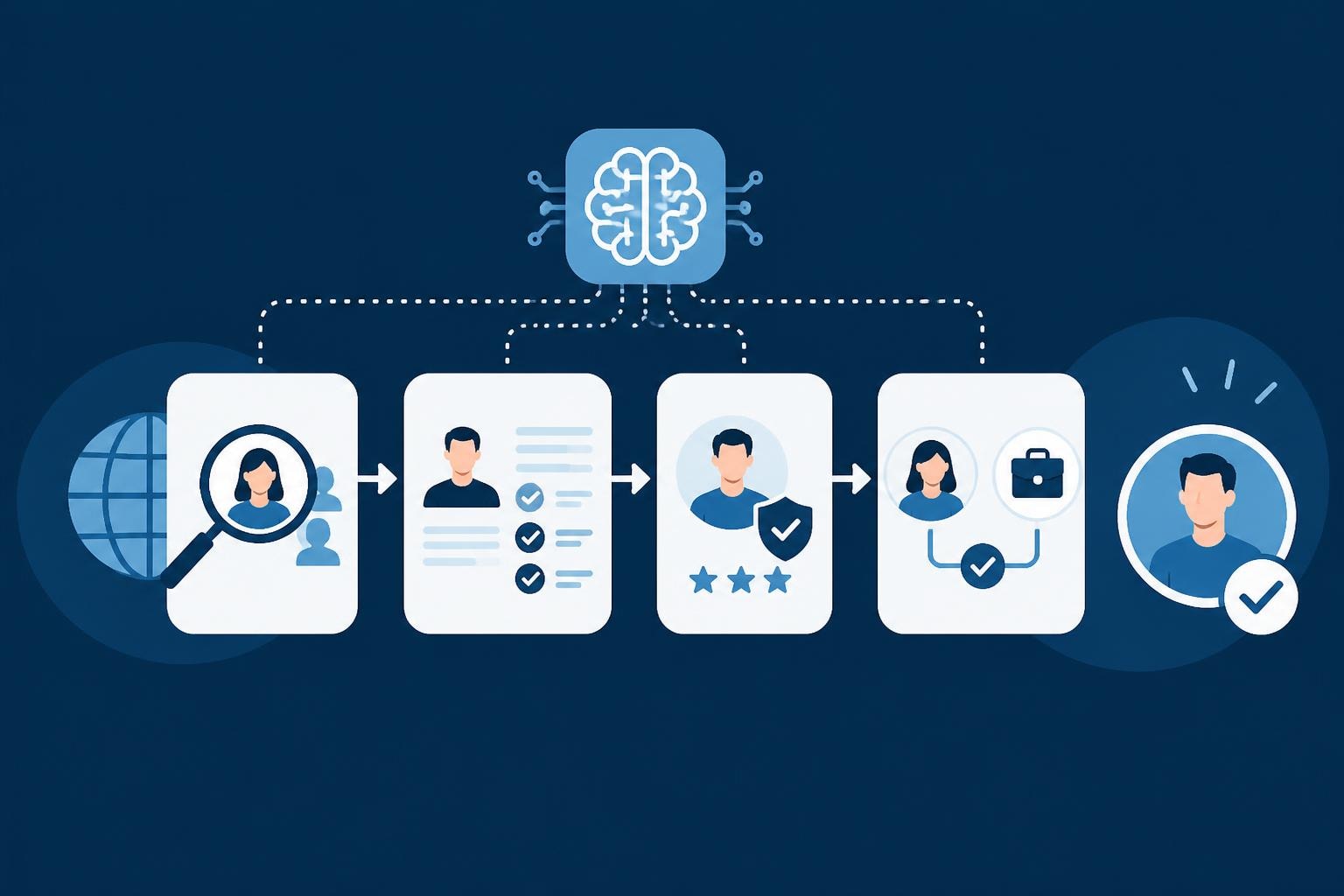
The recruitment landscape has undergone a dramatic transformation in recent years, with artificial intelligence becoming an indispensable tool for talent acquisition teams. Traditional candidate sourcing methods-manual resume reviews, keyword searches, and time-intensive outreach-can no longer keep pace with the demands of modern hiring. AI candidate sourcing represents a fundamental shift in how organizations discover, evaluate, and engage with potential employees, combining machine learning algorithms with data-driven insights to identify the best talent faster and more accurately than ever before.
Understanding AI Candidate Sourcing Technology
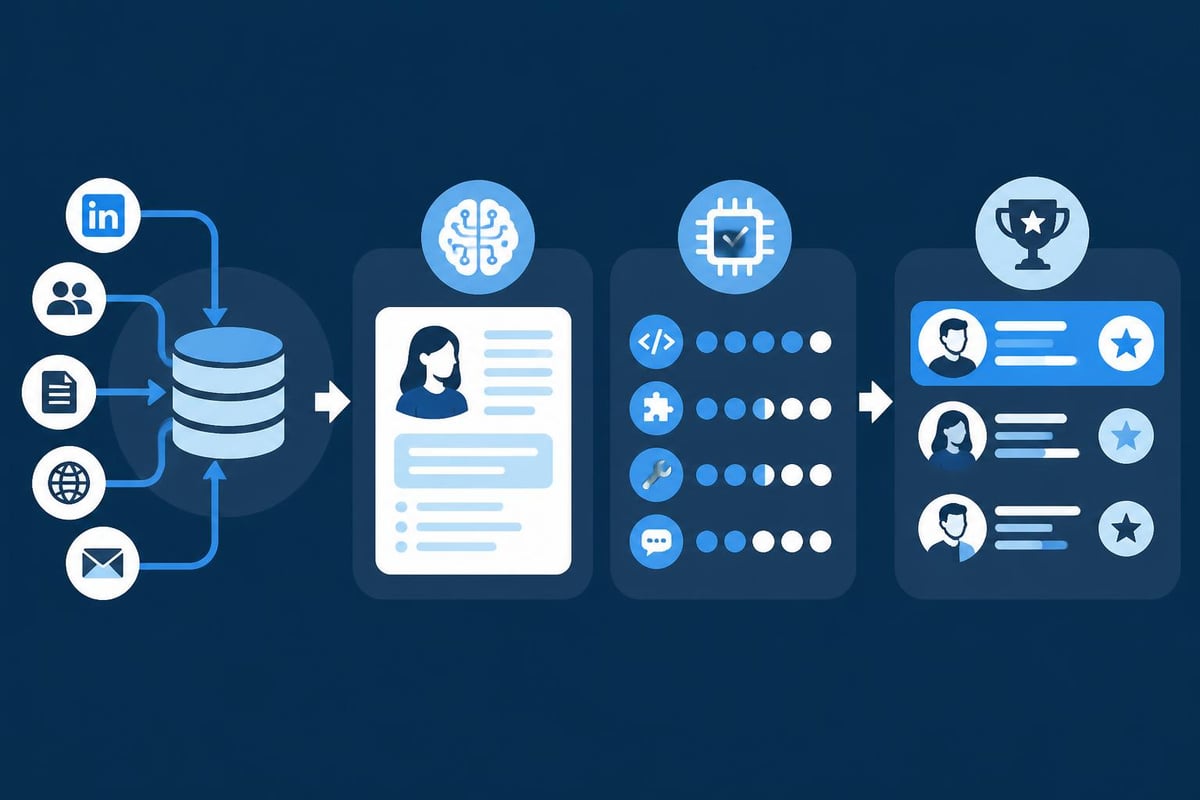
AI candidate sourcing leverages advanced algorithms and machine learning to automate and enhance the process of finding qualified candidates. These systems analyze vast amounts of data across multiple platforms, including job boards, professional networks, social media profiles, and internal databases. By processing this information at scale, AI tools can identify patterns and qualifications that human recruiters might overlook or simply lack the time to discover.
The technology works by creating detailed candidate profiles based on skills, experience, education, and even soft skills inferred from communication patterns and career progression. Modern AI candidate sourcing platforms use natural language processing to understand context within resumes and profiles, distinguishing between similar job titles that require different skill sets or identifying transferable skills that might not be immediately obvious.
Key Components of AI Sourcing Systems
Machine learning algorithms continuously improve their candidate matching capabilities by learning from hiring outcomes and recruiter feedback. Every interaction teaches the system which candidates are most likely to succeed in specific roles.
Predictive analytics assess candidate fit based on historical data, helping recruiters prioritize outreach to individuals most likely to respond positively and succeed if hired. These insights reduce time wasted on unqualified or uninterested candidates.
Natural language processing enables AI systems to understand the nuances of job descriptions and candidate profiles, matching based on actual skills and requirements rather than simple keyword matching. This technology can also detect inconsistencies or exaggerations in candidate materials.
Benefits of Implementing AI Candidate Sourcing
Organizations that adopt AI candidate sourcing experience measurable improvements across their recruitment operations. The most immediate benefit is time savings, with AI systems reducing the hours spent on manual candidate searches by up to 75%. Recruiters can redirect this time toward relationship building and strategic hiring initiatives that require human judgment and empathy.
Quality of hire improves significantly when AI candidate sourcing tools are properly implemented. By analyzing successful employee profiles and performance data, these systems become increasingly accurate at identifying candidates who will thrive in specific organizational cultures and roles. This data-driven approach reduces bias inherent in manual screening processes, where unconscious preferences can influence decision-making.
Measurable Impact on Recruitment Metrics
| Metric | Traditional Sourcing | AI Candidate Sourcing | Improvement |
|---|---|---|---|
| Time to Fill | 42 days | 28 days | 33% faster |
| Cost per Hire | $4,500 | $3,100 | 31% reduction |
| Candidate Quality Score | 6.8/10 | 8.4/10 | 24% increase |
| Sourcer Productivity | 15 candidates/day | 45 candidates/day | 200% increase |
The expansion of talent pools represents another significant advantage. AI candidate sourcing systems can identify passive candidates who aren't actively job searching but possess the exact skills organizations need. These tools monitor career progression patterns and engagement signals that indicate openness to new opportunities, enabling recruiters to reach out at optimal moments.
Enhanced candidate experience emerges as a beneficial byproduct of AI implementation. Automated systems can provide faster responses, personalized communication, and more transparent processes. Candidates receive timely updates and relevant opportunities matched to their actual skills rather than generic job blasts.
Challenges and Considerations in AI Candidate Sourcing
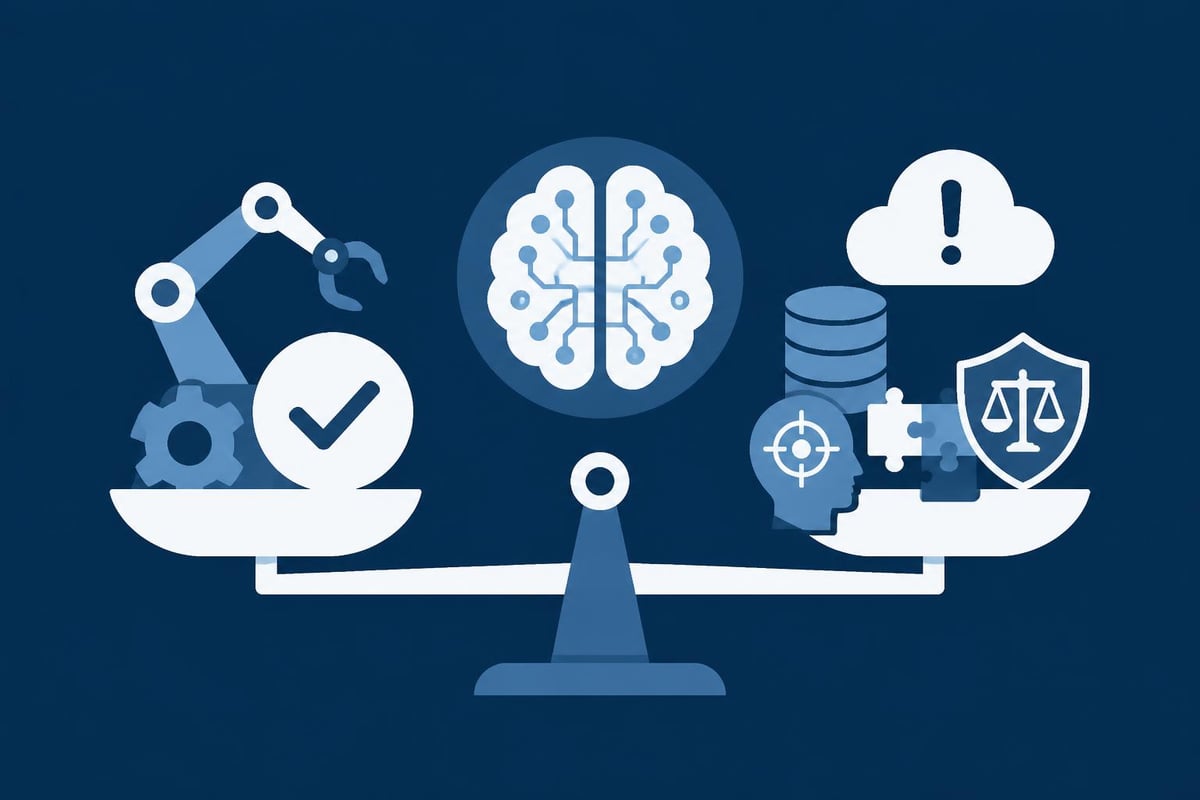
Despite its advantages, ai candidate sourcing introduces complexities that organizations must address thoughtfully. Data quality issues pose the most fundamental challenge-AI systems are only as effective as the information they process. Incomplete profiles, outdated information, and inconsistent data formats can lead to inaccurate candidate matches and missed opportunities.
Algorithmic bias remains a persistent concern in AI recruitment tools. If training data reflects historical hiring biases, AI systems can perpetuate or even amplify these patterns. Organizations must regularly audit their AI candidate sourcing tools to ensure fair and equitable candidate evaluation across all demographic groups.
Integration complexity affects many implementations, particularly when connecting AI sourcing tools with existing applicant tracking systems and HR information systems. Data silos and incompatible platforms can limit the effectiveness of AI tools and create frustrating user experiences for recruitment teams.
Privacy and Compliance Requirements
Modern AI candidate sourcing must navigate an increasingly complex regulatory environment. The General Data Protection Regulation (GDPR) in Europe, the California Consumer Privacy Act (CCPA), and similar legislation worldwide impose strict requirements on how candidate data can be collected, processed, and stored. Organizations using AI sourcing tools must ensure compliance with these regulations to avoid substantial penalties.
Transparency in AI decision-making has become a legal requirement in some jurisdictions. Candidates may have the right to understand how automated systems evaluate their qualifications and to challenge decisions made by AI algorithms. This necessitates clear documentation of AI sourcing methodologies and human oversight of automated processes.
Best Practices for AI Candidate Sourcing Implementation
Successful ai candidate sourcing implementation begins with clear objectives and measurable goals. Organizations should identify specific pain points in their current sourcing processes-whether that's difficulty finding specialized skills, excessive time spent on manual searches, or poor candidate quality-and select AI tools designed to address those challenges.
Start with a pilot program focused on specific roles or departments rather than attempting organization-wide implementation immediately. This approach allows teams to learn the system, identify integration issues, and demonstrate value before scaling. According to insights from recruitment industry experts, phased rollouts significantly increase the likelihood of successful AI adoption.
Invest in training for recruitment teams to ensure they understand how AI candidate sourcing tools work and how to interpret their recommendations. AI should augment human decision-making, not replace it entirely. Recruiters need skills to evaluate AI-generated candidate lists critically and to recognize when algorithmic recommendations require human override.
Creating Effective AI Sourcing Workflows
- Define clear candidate personas with detailed skill requirements, experience levels, and cultural fit indicators that AI systems can use for matching
- Establish feedback loops where recruiters rate AI-recommended candidates, enabling continuous learning and improvement
- Set up quality checkpoints requiring human review at critical stages, particularly before candidate outreach and final selection decisions
- Monitor performance metrics regularly to track improvements in time-to-hire, cost-per-hire, and quality-of-hire
- Conduct bias audits quarterly to ensure AI systems produce equitable results across all candidate demographics
Organizations should also consider the candidate perspective when implementing AI candidate sourcing. Transparent communication about how AI is used in the recruitment process builds trust and can differentiate your employer brand in competitive talent markets.
Integration with Modern Recruitment Technology Stacks
AI candidate sourcing delivers maximum value when seamlessly integrated with existing recruitment infrastructure. ATS integration capabilities enable automated candidate flow from sourcing to application review to interview scheduling, eliminating manual data entry and reducing administrative burden.
The most effective implementations connect AI sourcing tools with multiple data sources. Professional networking platforms, industry-specific job boards, internal talent databases, and even employee referral networks can feed information into AI systems. This comprehensive data aggregation provides a more complete picture of available talent and increases the likelihood of finding ideal candidates.
API connectivity facilitates real-time data synchronization between systems, ensuring that candidate information remains current and consistent across all platforms. When a candidate updates their skills or experience on one platform, integrated systems reflect those changes automatically, improving matching accuracy.
Chrome extensions and browser-based tools offer recruiters convenient access to AI candidate sourcing capabilities within their normal workflows. These lightweight integrations allow sourcers to activate AI analysis while browsing LinkedIn, GitHub, or other talent platforms, enriching manual searches with algorithmic insights. Tools available through platforms focused on hiring managers demonstrate how targeted integrations can streamline specific user workflows.
Fraud Detection and Candidate Verification
As AI candidate sourcing expands talent pools and accelerates hiring processes, the risk of encountering fraudulent candidates has increased proportionally. Sophisticated resume fraud, fabricated credentials, and identity misrepresentation have become serious concerns for organizations hiring at scale. AI technology that initially revolutionized candidate discovery now plays an equally critical role in candidate validation.
Resume fraud detection algorithms analyze patterns across millions of verified profiles to identify inconsistencies, improbable career progressions, and statistical anomalies that suggest falsification. These systems can flag candidates claiming simultaneous full-time positions, educational credentials from non-existent institutions, or skill combinations that rarely occur naturally.
Skill verification extends beyond simple credential checks to assess actual competency. AI-powered assessment platforms can administer technical challenges, analyze code samples, or evaluate portfolio work to confirm candidates possess claimed abilities. This verification happens early in the sourcing process, preventing investment in unqualified candidates.
Platforms offering verified matching and fraud detection capabilities demonstrate how AI can simultaneously accelerate sourcing while improving candidate quality through comprehensive validation. By combining intelligent candidate discovery with rigorous verification, these systems ensure that only qualified, genuine professionals reach hiring managers.
Multi-Layer Verification Approaches
| Verification Layer | Technology Used | What It Validates |
|---|---|---|
| Identity Confirmation | Biometric analysis, document verification | Candidate is who they claim to be |
| Credential Verification | Database cross-referencing, institution APIs | Education and certifications are legitimate |
| Experience Validation | Employment database checks, reference verification | Job history accuracy and dates |
| Skill Assessment | AI-powered technical tests, portfolio analysis | Actual competency matches claims |
The Future of AI Candidate Sourcing
AI candidate sourcing technology continues evolving rapidly, with several emerging trends poised to reshape recruitment in the coming years. Conversational AI and chatbots are becoming more sophisticated, enabling initial candidate engagement and pre-screening through natural dialogue rather than forms and applications. These systems can answer candidate questions, schedule interviews, and gather qualification information while providing a more engaging experience than traditional automated responses.
Predictive talent modeling represents the next frontier in ai candidate sourcing. Rather than simply matching current candidates to open positions, these advanced systems forecast which employed professionals are most likely to become receptive to new opportunities within specific timeframes. By analyzing career patterns, social media activity, and professional network changes, AI can identify "flight risk" indicators at other companies, enabling proactive outreach.
Skills-based matching is replacing traditional credential-focused sourcing as AI systems become better at identifying transferable capabilities. A software engineer with gaming industry experience might be an excellent match for a healthcare technology role if their core programming skills and problem-solving approaches align, even without direct industry background. AI candidate sourcing tools increasingly recognize these non-obvious connections.
Emerging Technologies Enhancing AI Sourcing
- Graph neural networks that map complex relationships between skills, industries, and roles to identify unconventional but highly qualified candidates
- Sentiment analysis applied to candidate communications and social media to assess cultural fit and engagement likelihood
- Video interview analysis using computer vision and voice analysis to evaluate communication skills and enthusiasm
- Blockchain-based credential verification providing tamper-proof validation of education and certifications
- Augmented reality sourcing allowing recruiters to visualize candidate pipelines and talent market landscapes in immersive 3D environments
The integration of AI candidate sourcing with workforce planning tools enables more strategic talent acquisition. Organizations can forecast future skill needs based on business objectives and proactively build talent pipelines before positions open, dramatically reducing time-to-hire for critical roles.
Measuring ROI and Success Metrics
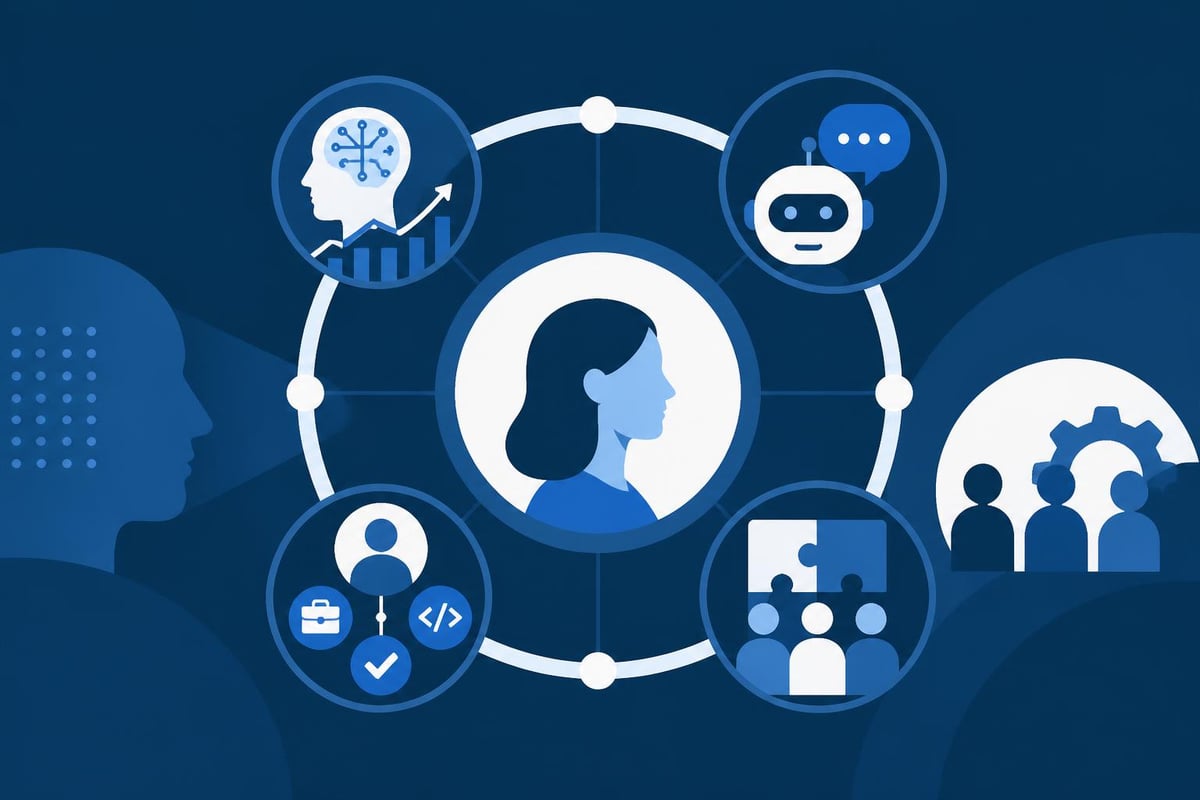
Organizations investing in ai candidate sourcing need frameworks for evaluating effectiveness and demonstrating return on investment. Traditional recruitment metrics provide a starting point, but AI implementation requires additional measurements that capture the technology's unique value proposition.
Quality-of-hire metrics become increasingly important when evaluating AI sourcing effectiveness. Track performance ratings, retention rates, and promotion velocity for employees sourced through AI tools compared to traditional methods. These long-term indicators reveal whether AI truly improves candidate selection or simply accelerates hiring of mediocre talent.
Source quality analysis helps identify which platforms and data sources produce the best candidates when integrated with AI systems. Not all talent pools deliver equal value, and understanding which sources your AI tools leverage most successfully enables optimization of sourcing strategy and budget allocation.
Diversity metrics measure whether AI candidate sourcing expands or restricts candidate demographic diversity. Regular monitoring ensures algorithms don't inadvertently narrow talent pools or perpetuate historical biases. Leading organizations establish diversity targets and configure AI systems to support these objectives actively.
Comprehensive AI Sourcing Dashboard Metrics
- Time from job requisition to first qualified candidate presented
- Percentage of AI-sourced candidates advancing to phone screen stage
- Candidate response rates to AI-facilitated outreach compared to manual outreach
- Reduction in cost-per-candidate sourced since AI implementation
- Recruiter satisfaction scores with AI tool usability and candidate quality
- Hiring manager satisfaction with candidate quality and time-to-fill
Organizations should establish baseline metrics before implementing AI candidate sourcing to enable accurate before-and-after comparisons. Many benefits emerge gradually as systems learn organizational preferences and as teams develop proficiency with new tools. Quarterly reviews provide sufficient data for trend analysis without overwhelming teams with constant measurement.
Building an AI-Powered Talent Pipeline
Effective ai candidate sourcing extends beyond filling immediate openings to creating sustainable talent pipelines for future needs. AI systems excel at maintaining relationships with promising candidates who aren't currently appropriate matches, monitoring their career development, and alerting recruiters when circumstances change.
Talent community platforms powered by AI keep potential candidates engaged through personalized content, relevant job recommendations, and company updates. These systems track engagement patterns to identify candidates demonstrating increased interest and readiness to explore opportunities.
Automated nurture campaigns deliver targeted communications based on candidate characteristics and behaviors. A software developer who regularly opens emails about machine learning roles might receive invitations to technical webinars or articles about your company's AI initiatives, building familiarity and interest over time.
Seasonal and project-based hiring benefits tremendously from AI-maintained talent pools. Rather than starting sourcing from scratch each cycle, organizations can reactivate previous candidates, assess their updated qualifications, and accelerate hiring for recurring needs.
The strategic advantage of continuous AI candidate sourcing becomes most apparent in specialized technical fields where talent shortages create intense competition. Companies that build relationships with potential candidates before urgent needs arise gain significant advantages over competitors scrambling to fill unexpected openings.
AI candidate sourcing has fundamentally transformed how organizations discover and engage with talent, offering unprecedented speed, scale, and accuracy in identifying qualified candidates. By combining these advanced capabilities with rigorous verification and fraud detection, forward-thinking companies create recruitment processes that are both efficient and trustworthy. Augmnt brings together intelligent candidate sourcing and comprehensive validation to connect businesses with verified AI professionals, ensuring every candidate presented meets rigorous quality standards while accelerating your time-to-hire for critical technical roles.