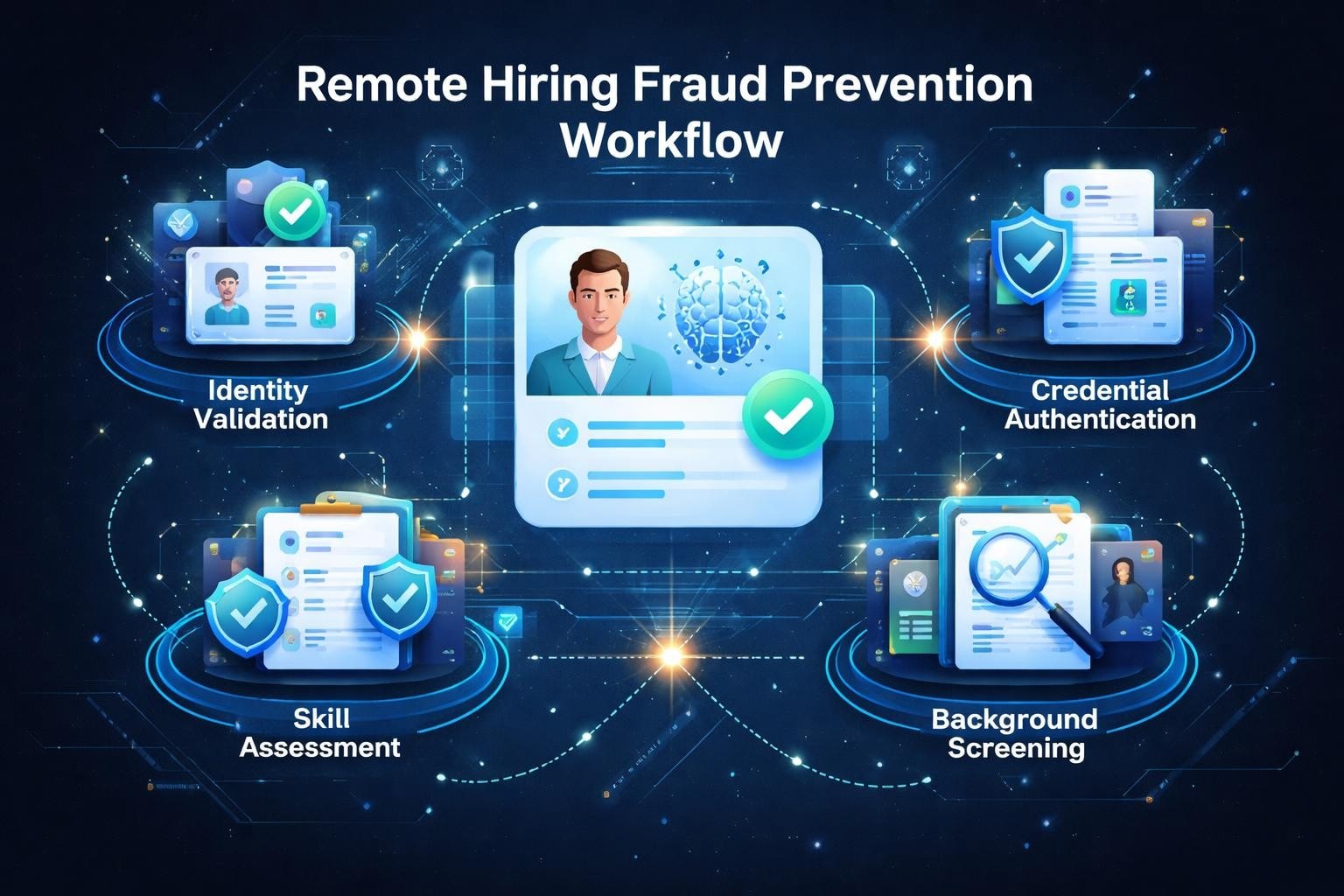
Remote Hiring Fraud Prevention: Protect Your Business
The surge in remote work has fundamentally transformed how organizations build their teams, opening access to global talent pools and specialized expertise. However, this expansion has also created unprecedented opportunities for fraudulent actors to exploit the digital hiring process. From fabricated credentials to identity theft schemes, remote hiring fraud prevention has become a critical priority for businesses seeking to protect their resources, reputation, and operational integrity. Understanding the evolving landscape of hiring fraud and implementing robust verification measures is no longer optional but essential for maintaining a trustworthy recruitment process.
The Growing Threat of Remote Hiring Fraud
Remote hiring fraud has escalated dramatically since 2020, with fraudulent applications increasing by over 300% in certain industries. This alarming trend reflects the sophisticated methods bad actors employ to bypass traditional verification processes that were designed for in-person interactions.
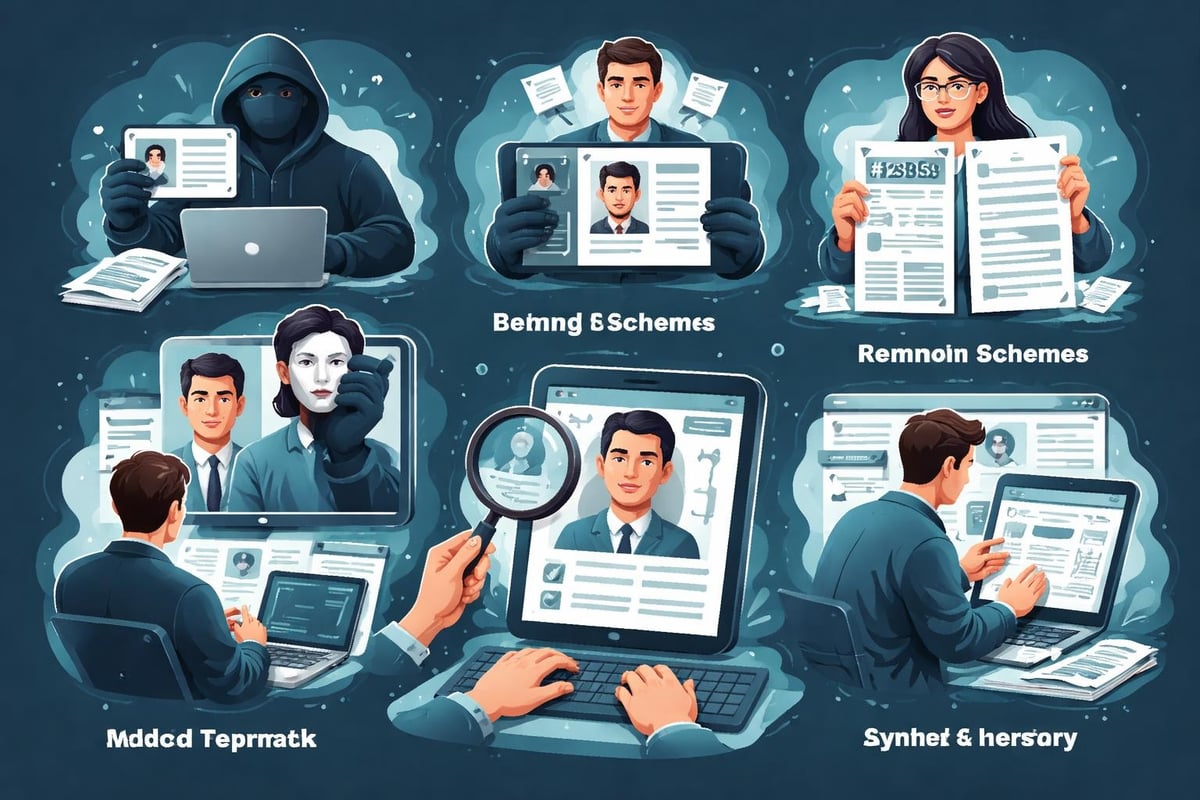
The anonymity of digital platforms provides cover for various fraud schemes. Identity theft represents the most common form, where individuals use stolen personal information to apply for positions they're unqualified to hold. Resume fraud follows closely, involving falsified educational credentials, employment history, or professional certifications. Some fraudsters even engage in interview imposters, where a qualified individual completes the interview process while an unqualified person performs the actual work.
Financial services, technology companies, and healthcare organizations face particularly high risks due to the sensitive data these roles access. A single fraudulent hire can compromise client information, intellectual property, or regulatory compliance. The average cost of a bad hire exceeds $17,000 when factoring in recruitment expenses, training resources, and productivity losses, making background checks for remote jobs an essential investment rather than an optional expense.
Why Remote Work Amplifies Fraud Risk
The shift to remote hiring eliminated many traditional verification touchpoints that previously deterred fraud. In-person interviews provided visual confirmation of identity, while physical document verification offered authenticity checks that digital submissions can't replicate as easily.
Remote processes rely heavily on self-reported information and digital documentation, both vulnerable to manipulation. Candidates can easily alter PDFs, fabricate reference letters, or purchase counterfeit diplomas from sophisticated fraud operations. The lack of face-to-face interaction also makes behavioral assessment more challenging, limiting interviewers' ability to detect inconsistencies or dishonest responses.
Geographic dispersion further complicates verification efforts. When candidates reside in different countries or time zones, confirming educational institutions, previous employers, or professional licenses requires additional time and resources that many organizations lack.
Essential Components of Remote Hiring Fraud Prevention
Building an effective remote hiring fraud prevention strategy requires multiple layers of verification that work together to authenticate candidate claims and confirm identity throughout the recruitment process.
Identity Verification Technologies
Modern identity verification leverages biometric authentication, document analysis, and liveness detection to confirm candidates are who they claim to be. These systems analyze government-issued identification documents for authenticity markers, compare facial features across multiple touchpoints, and detect whether a live person is present during video assessments.
Advanced verification platforms can identify altered documents by analyzing security features, fonts, and layout patterns that fraudsters often overlook when creating forgeries. Some systems cross-reference information against public records, credit databases, and social media profiles to build comprehensive identity profiles that reveal inconsistencies.
Implementing these technologies early in the recruitment process filters out obvious fraud attempts before significant resources are invested. Organizations should require verification at application submission and again before extending offers to prevent bait-and-switch scenarios where legitimate candidates complete initial stages but fraudulent individuals attempt to assume their identity later.
Credential and Education Validation
Educational fraud remains prevalent, with studies indicating that approximately 30% of resumes contain some form of credential misrepresentation. Verification must extend beyond confirming degree completion to validating institutions, accreditation status, and graduation dates.
| Verification Method | Effectiveness | Implementation Difficulty | Cost Range |
|---|---|---|---|
| Direct Institution Contact | High | Medium | Low |
| Third-Party Verification Services | Very High | Low | Medium |
| Blockchain Credential Systems | Very High | Low | Low-Medium |
| Manual Document Review | Medium | High | Medium |
Reputable verification services maintain relationships with thousands of educational institutions globally, streamlining the confirmation process. For specialized AI and technical roles, certifications from recognized organizations like AWS, Google, or Microsoft require validation through official channels that fraudsters can't easily circumvent.
Businesses should be particularly cautious with international credentials, as foreign degree mills produce convincing documentation that requires specialized knowledge to identify. Implementing secure remote hiring practices helps establish standardized verification protocols that apply consistently across all candidates regardless of origin.
Advanced Screening Techniques for AI Talent
For AI professionals and technical specialists, standard verification methods must be supplemented with skill-specific assessments that confirm practical expertise beyond claimed credentials.
Technical Assessment Integrity
Fraudsters have developed sophisticated methods to cheat on technical assessments, including using remote assistance, pre-solved problem databases, or even hiring proxy test-takers. Preventing these schemes requires assessments designed with anti-cheating measures built into their framework.
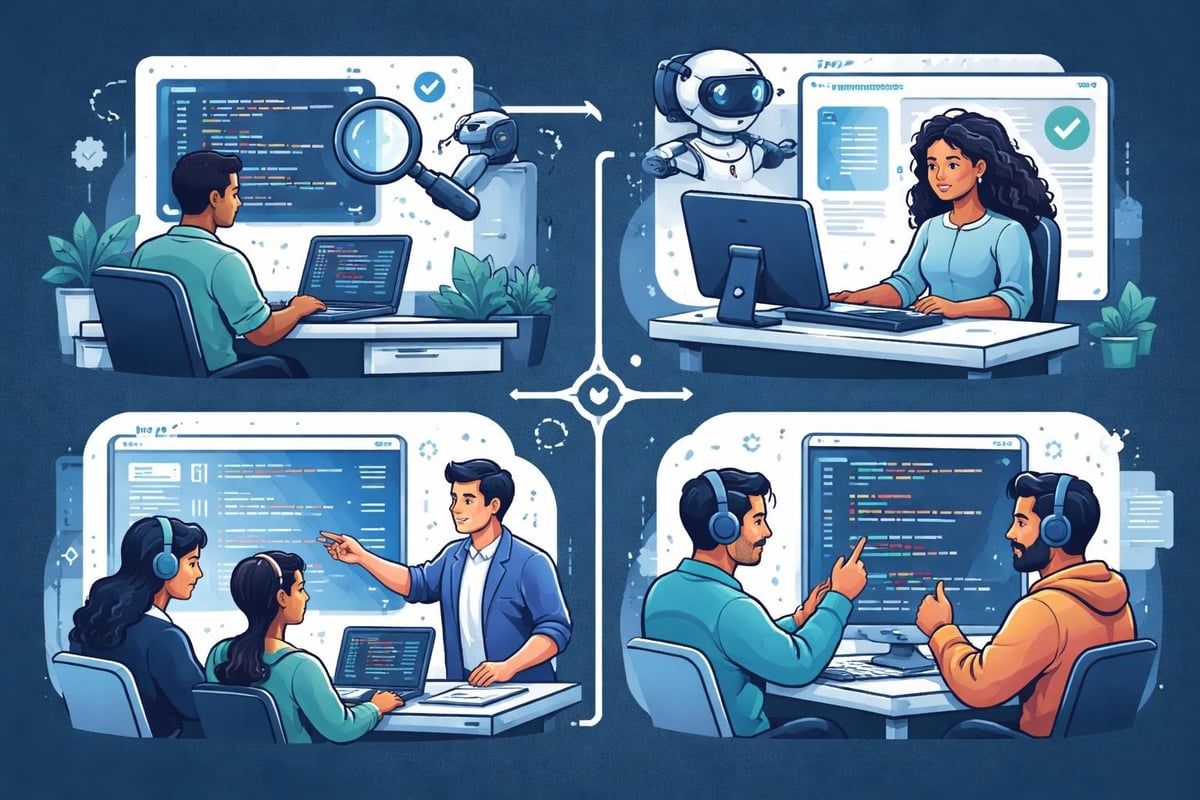
Proctored assessments using AI-powered monitoring detect suspicious behaviors like unusual eye movements, multiple faces in frame, or keyboard patterns inconsistent with the candidate's claimed expertise. These systems analyze hundreds of behavioral indicators simultaneously, flagging anomalies for human review.
Live coding exercises provide another effective verification layer. By requiring candidates to solve problems in real-time while explaining their reasoning, interviewers can assess both technical capability and genuine understanding. This approach makes fraud significantly more difficult since the candidate must demonstrate actual competence rather than simply submitting pre-prepared solutions.
Behavioral Analysis and Interview Techniques
Structured interviews with behavioral consistency checks help identify candidates whose responses don't align with claimed experience. Asking candidates to describe specific projects, explain technical decisions, or troubleshoot hypothetical problems reveals depth of knowledge that fraudsters struggle to fake convincingly.
Interviewers should note inconsistencies between resume claims and interview responses. A candidate claiming five years of machine learning experience should articulate nuanced understanding of model optimization, bias mitigation, or deployment challenges. Vague or textbook responses often indicate fabricated expertise.
Reference checks remain valuable when conducted properly. Rather than accepting provided references at face value, verify the reference's identity and relationship to the candidate through independent channels like LinkedIn or company directories. Ask specific questions about projects, technical skills, and work habits that only genuine former colleagues could answer accurately.
Building Comprehensive Background Check Protocols
Thorough background investigations form the foundation of effective remote hiring fraud prevention, providing independent verification of candidate claims and identifying red flags that surface interviews might miss.
Employment History Verification
Confirming previous employment requires contacting companies directly through verified channels rather than phone numbers or email addresses candidates provide. Fraudsters often create fake reference websites or provide accomplice contacts who will vouch for fabricated work history.
Employment verification should confirm:
- Official job titles and responsibilities
- Employment dates with month-level precision
- Reasons for departure when available
- Eligibility for rehire status
- Salary information if permitted by jurisdiction
Gaps in employment history deserve particular scrutiny. While legitimate gaps occur for education, family care, or health reasons, they can also conceal periods where claimed employment never existed or ended due to termination for cause.
Criminal Background and Financial Checks
The scope of background checks should align with role requirements and regulatory obligations. Positions handling sensitive data, financial transactions, or vulnerable populations justify comprehensive criminal record searches across all jurisdictions where candidates have lived.
Financial background checks reveal red flags like recent bankruptcies, significant debt, or judgments that might motivate fraud or create vulnerability to bribery. For AI professionals accessing proprietary algorithms or client data, understanding financial pressures provides context for assessing insider threat risks.
Organizations must balance thorough screening with privacy regulations and fair hiring practices. Clear policies explaining what will be checked, obtaining proper consent, and following adverse action protocols when denying candidates based on findings ensure legal compliance while maintaining robust remote hiring fraud prevention standards.
Technology Solutions for Fraud Detection
Modern recruitment platforms increasingly incorporate fraud detection capabilities that analyze patterns, verify identities, and flag suspicious applications before human reviewers invest significant time.
AI-Powered Resume Analysis
Artificial intelligence excels at detecting resume fraud by analyzing linguistic patterns, identifying statistical anomalies, and cross-referencing claims against verified databases. Machine learning models trained on millions of legitimate and fraudulent resumes recognize subtle indicators that human reviewers might miss.
These systems identify:
- Inconsistent formatting suggesting copy-paste from multiple sources
- Unusual employment timelines with overlapping positions or implausible progression
- Keyword stuffing designed to game applicant tracking systems
- Credential mismatches where claimed degrees don't align with institution offerings
- Contact information red flags like temporary email services or virtual phone numbers
A case study on preventing hiring fraud in banking demonstrates how AI-powered assessments eliminated fraudulent applicants while improving candidate quality metrics by 40%. The system's identity verification and continuous authentication throughout assessments prevented proxy test-taking and credential fraud.
Blockchain and Digital Identity Verification
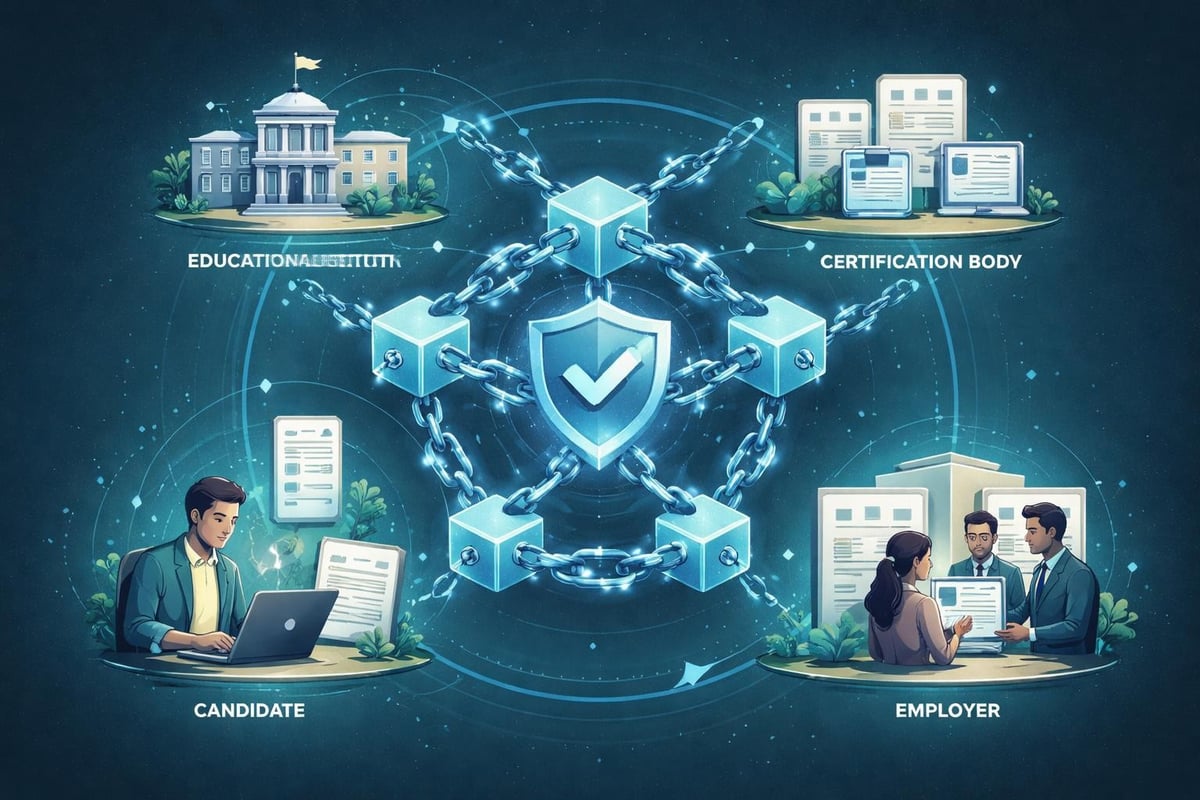
Blockchain-based credential verification offers immutable records that candidates can't alter retroactively. Educational institutions and certification bodies increasingly issue digital credentials on blockchain networks, allowing employers to verify authenticity instantly without contacting issuing organizations.
Digital identity platforms aggregate verified information from multiple trusted sources, creating comprehensive profiles that candidates control but can't falsify. These systems leverage cryptographic verification to ensure document integrity while maintaining privacy by sharing only necessary information with potential employers.
Creating a Culture of Verification
Technology and processes provide essential infrastructure, but organizational culture determines whether remote hiring fraud prevention measures are consistently applied and continuously improved.
Training Hiring Teams
Recruiters and hiring managers need training to recognize fraud indicators and understand verification protocols. Many fraud schemes succeed because well-intentioned employees accept candidate claims at face value or skip verification steps to accelerate hiring timelines.
Effective training programs cover:
- Common fraud tactics and red flags
- Proper use of verification tools and services
- Interview techniques for detecting inconsistencies
- Documentation requirements for compliance
- Escalation procedures when fraud is suspected
Regular refresher sessions keep teams updated on emerging fraud trends. Protecting businesses from remote hiring fraud requires ongoing vigilance as fraudsters adapt tactics to bypass new security measures.
Establishing Clear Policies and Consequences
Written policies defining verification requirements, acceptable documentation, and fraud response protocols ensure consistent application across all hiring decisions. These policies should specify which checks are mandatory versus recommended for different role types and seniority levels.
Clear consequences for attempted fraud deter bad actors while protecting organizations legally. Policies should address candidate fraud, recruiter negligence, and internal collusion scenarios where employees might circumvent verification processes.
Balancing Security with Candidate Experience
Implementing comprehensive remote hiring fraud prevention measures must not create such friction that qualified candidates abandon application processes or view organizations as distrustful.
Transparent Communication
Candidates appreciate understanding why verification is necessary and how their information will be protected. Clearly explaining that checks apply equally to all applicants and protect both employer and employee interests frames verification positively rather than as accusatory.
Providing estimated timelines for background checks and assessment results manages expectations and reduces candidate anxiety. Automated status updates keep candidates informed without requiring recruiter intervention for routine communications.
Streamlined Verification Processes
Modern verification platforms integrate with applicant tracking systems, automatically initiating checks when candidates reach appropriate hiring stages. This integration eliminates manual data entry, reduces processing time, and ensures no verification steps are accidentally skipped.
Allowing candidates to complete identity verification and upload documents through user-friendly portals improves completion rates compared to email-based processes requiring multiple back-and-forth exchanges. Mobile-optimized verification enables candidates to submit required information conveniently from any device.
Measuring and Improving Fraud Prevention Effectiveness
Organizations should track metrics indicating whether their remote hiring fraud prevention strategies effectively filter fraudulent applicants while maintaining hiring quality and velocity.
| Metric | Target Range | Measurement Frequency | Action Threshold |
|---|---|---|---|
| Fraud Detection Rate | 2-5% of applicants | Monthly | >8% or <1% |
| False Positive Rate | <2% | Monthly | >3% |
| Time to Complete Verification | 3-7 days | Weekly | >10 days |
| Candidate Drop-off During Verification | <10% | Monthly | >15% |
| Cost Per Verified Hire | Varies by role | Quarterly | 20% above industry average |
Regular audits of verification processes identify gaps where fraud might slip through or unnecessary friction that drives away qualified candidates. Testing verification systems with known fraud scenarios validates that detection capabilities function as expected.
Continuous improvement requires staying informed about emerging fraud tactics. Industry forums, security conferences, and information sharing with peer organizations provide insights into new schemes before they become widespread. Understanding employment fraud trends helps organizations adapt defenses proactively rather than reactively after experiencing fraud incidents.
Legal and Compliance Considerations
Remote hiring fraud prevention must align with employment laws, privacy regulations, and industry-specific compliance requirements that vary significantly across jurisdictions.
Privacy Regulation Compliance
Background check processes must comply with regulations like GDPR in Europe, CCPA in California, and various national privacy laws governing how personal information is collected, processed, and stored. Organizations hiring internationally need policies addressing the strictest applicable regulations to ensure global compliance.
Obtaining proper consent before conducting checks is legally required and demonstrates respect for candidate privacy. Consent forms should clearly specify what information will be verified, which third parties will access data, and how long records will be retained.
Fair Credit Reporting Act Requirements
In the United States, the Fair Credit Reporting Act imposes specific obligations when using third-party background check services. Employers must provide candidates with disclosure notices, obtain written authorization, and follow adverse action procedures if denying employment based on background check findings.
These requirements include providing candidates with copies of background reports, opportunity to dispute inaccuracies, and reasonable time to respond before making final hiring decisions. Non-compliance exposes organizations to significant legal liability and regulatory penalties.
Industry-Specific Regulations
Certain industries face heightened verification requirements due to regulatory oversight. Financial services firms must comply with FINRA background check standards, healthcare organizations follow state licensing board requirements, and government contractors navigate security clearance protocols.
AI roles handling sensitive data or developing regulated applications may require specialized compliance checks beyond standard employment verification. Understanding these requirements during job design prevents compliance gaps that surface only after candidates are hired.
Protecting your organization from remote hiring fraud requires layered verification strategies, advanced technology, and consistent application of security protocols throughout the recruitment lifecycle. By implementing comprehensive identity verification, credential validation, and skill assessment measures, businesses can significantly reduce fraud risk while maintaining efficient hiring processes. Augmnt provides an intelligent marketplace that connects businesses with verified AI professionals through rigorous candidate validation, including resume fraud detection and skill verification, ensuring you hire qualified, fraud-free talent efficiently. Start building your team with confidence through Augmnt's comprehensive vetting process today.