Guide to Prevent Candidate Impersonation in 2026
Candidate impersonation is set to become one of the biggest threats to hiring integrity in 2026. As technology evolves, so do the tactics used by fraudsters, putting organizations at risk of costly hiring mistakes.
This guide is designed to help you prevent candidate impersonation at every stage of recruitment. We will break down common impersonation tactics, highlight emerging risks, and share advanced verification methods.
You will also discover technology solutions, process improvements, and future-proofing strategies to keep your hiring secure. Take action now to build a fraud-free hiring process and protect your organization’s reputation.
Understanding Candidate Impersonation in 2026
Candidate impersonation in recruitment is rapidly evolving, creating significant risks for organizations. As hiring processes become more digital and global, the need to prevent candidate impersonation is more pressing than ever. Businesses face not only financial losses, but also threats to reputation and compliance. Understanding how these threats are changing is the first step to building a secure hiring process.
The Evolving Threat Landscape
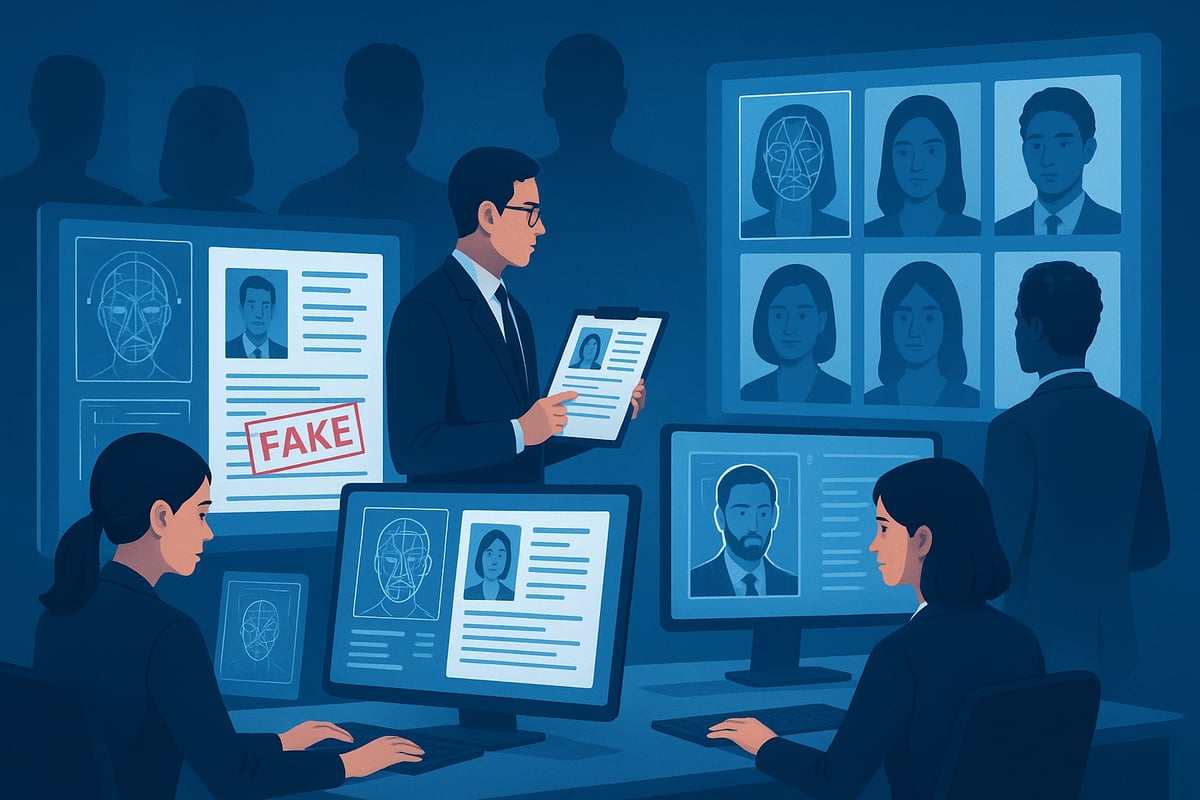
Candidate impersonation is no longer limited to simple resume exaggeration. In 2026, organizations must prevent candidate impersonation that leverages advanced digital tools. AI-generated resumes, deepfake videos, and synthetic identities are increasingly common. These tactics allow fraudsters to bypass traditional screening, making detection much harder.
Remote hiring and global talent pools have expanded opportunities for both genuine candidates and bad actors. Digital assessments and asynchronous interviews, while efficient, can open doors for sophisticated scams. The financial impact can be severe, from wasted onboarding costs to costly rehiring. Reputational damage and regulatory penalties are also on the rise.
Recent incidents highlight the scale of the problem. In one case, a tech firm discovered a new hire had used a proxy for every interview, resulting in lost time and resources. According to a Forbes article on AI impostors in hiring, AI-powered identity fraud is now a mainstream concern for HR teams. Industry data shows that nearly 30% of organizations have experienced at least one impersonation attempt in the past year.
To prevent candidate impersonation, companies must stay ahead of these evolving threats. This means regularly updating verification processes and investing in new technologies.
Common Impersonation Techniques
Fraudsters use a range of tactics to bypass hiring safeguards. The most prevalent methods include:
- Resume fraud, where false experience or credentials are listed
- Identity theft, using stolen personal details
- Credential misrepresentation, including fake diplomas or certificates
Proxy interviewees are often hired to pass initial screenings. The bait-and-switch tactic sees a qualified candidate pass early rounds, only to be replaced by an unqualified individual after hiring. Online assessments and asynchronous video interviews are particularly vulnerable, as they can be manipulated with pre-recorded videos or technical aids.
Both tech and non-tech sectors face challenges. In IT, candidates may use code-sharing or collaboration tools to cheat on skills tests. In healthcare, fraudulent licenses can slip through without robust verification.
HR professionals often struggle to detect these schemes. Automated systems may not catch subtle inconsistencies. Live interviews and behavioral analysis help, but are not foolproof. To prevent candidate impersonation, recruiters need layered verification and ongoing vigilance.
As impersonation techniques grow more sophisticated, organizations must adapt their screening processes. Only a proactive, multi-step approach can effectively prevent candidate impersonation and protect hiring integrity.
Key Risks and Consequences of Candidate Impersonation
Candidate impersonation poses a serious threat to organizations across industries. Understanding the full spectrum of risks is essential to prevent candidate impersonation from undermining hiring integrity and operational stability.
Impact on Businesses
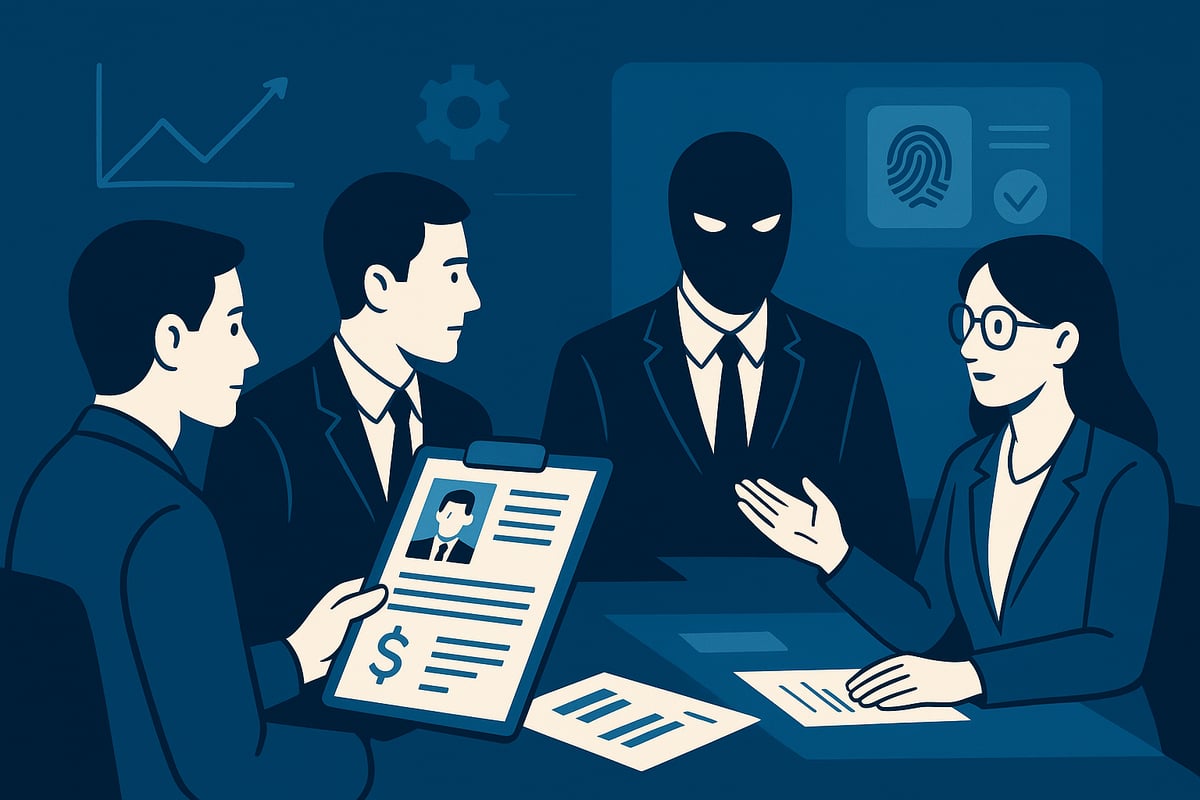
The direct costs of failing to prevent candidate impersonation are substantial. Organizations may face lost productivity, wasted onboarding resources, and the expense of rehiring for critical positions. These financial losses can quickly escalate, especially in sectors with high turnover or specialized roles.
Indirect effects are equally damaging. When businesses cannot prevent candidate impersonation, they risk damage to their employer brand, a decrease in team morale, and potential legal liabilities. Regulatory non-compliance is a growing concern, particularly when impersonation leads to breaches of data protection laws or hiring ineligible workers.
Industry-specific vulnerabilities also play a role. For example, tech firms may suffer from compromised intellectual property, while healthcare and finance organizations face heightened regulatory scrutiny. Publicized incidents, such as high-profile cases of credential fraud, have exposed gaps in traditional recruitment defenses.
A recent Checkr report on hiring fraud revealed that 63 percent of HR managers experienced direct financial losses due to fraudulent hires, underscoring the urgency to prevent candidate impersonation at every stage of the hiring process.
Detecting impersonation after onboarding adds another layer of complexity. By the time issues surface, the business may already have suffered reputational harm or operational setbacks.
Impact on Candidates and Teams
The consequences of failing to prevent candidate impersonation extend beyond the organization itself. Genuine candidates may lose out on opportunities due to unfair competition, leading to frustration and erosion of trust in the hiring process.
Team dynamics can suffer as well. Introducing an unqualified or misrepresented individual can disrupt workflow, lower morale, and jeopardize project delivery. Colleagues may become wary, questioning the integrity of future hires and the effectiveness of internal controls.
Long-term, a workplace culture built on trust and transparency becomes difficult to sustain if impersonation incidents persist. Employees may be less likely to refer talent or participate in recruitment efforts, further hampering the organization's ability to attract high-quality candidates.
To prevent candidate impersonation from taking root, businesses must recognize these risks as both immediate and enduring challenges to their success and reputation.
Step-by-Step Guide to Preventing Candidate Impersonation in 2026
To effectively prevent candidate impersonation, organizations must adopt a holistic, layered approach. This step-by-step guide outlines practical actions and advanced tools you can implement today to safeguard every stage of your hiring process. By following these essential steps, your company can dramatically reduce risks and maintain hiring integrity.
Step 1: Strengthen Identity Verification
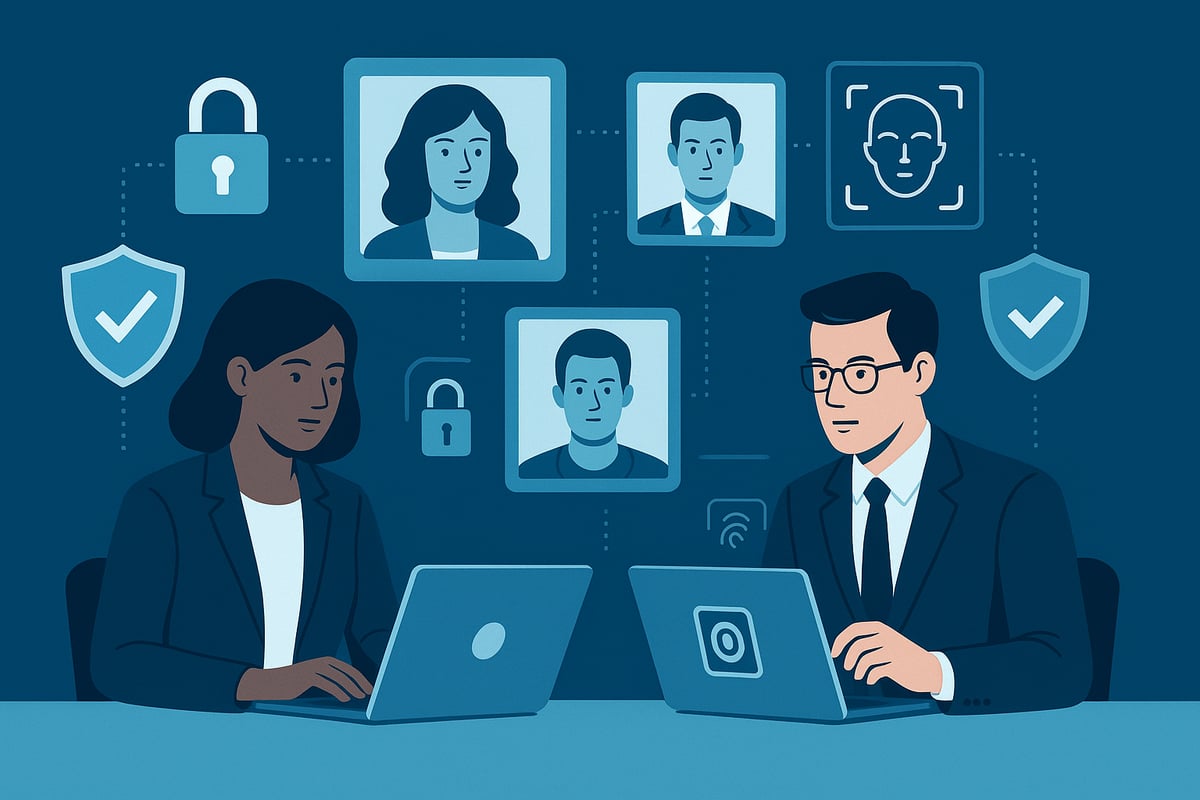
The first step to prevent candidate impersonation is implementing robust identity verification protocols. Begin by requiring multi-factor authentication for all candidate logins to your recruitment platforms. This ensures that only authorized individuals access the application process.
Next, request government-issued ID checks and use biometric verification, such as facial recognition or fingerprint scanning. These methods add a strong layer of security, making it much harder for imposters to slip through.
Integrate live video authentication and proctored assessments for roles where identity assurance is critical. These sessions allow recruiters to confirm that the person being interviewed matches submitted documents.
Consider leveraging third-party identity verification services, which specialize in detecting fraudulent activity and verifying credentials at scale. For example, many organizations now utilize AI-enabled video proctoring solutions that can spot deepfakes and flag mismatches in real time.
By combining these strategies, you can significantly prevent candidate impersonation at the earliest stage of the hiring journey.
Step 2: Enhance Resume and Credential Validation
To prevent candidate impersonation, organizations must scrutinize resumes and credentials with advanced tools. Deploy AI-powered resume fraud detection software to scan for inconsistencies or fabricated information. These systems can identify unusual patterns, duplicate entries, or suspect formatting.
Always cross-check education and employment history directly with issuing institutions. This extra step uncovers discrepancies that automated tools might miss. Where feasible, use blockchain-based credential verification to ensure records are tamper-proof and easily traceable.
Conduct thorough reference and background checks to validate claims and confirm professional experience. Automated verification processes, integrated into applicant tracking systems, streamline this step and reduce human error.
A recent HR Dive article on fake candidate information highlights the ongoing challenges HR professionals face in detecting fabricated details, emphasizing why advanced verification is essential.
By following these measures, you can effectively prevent candidate impersonation related to fake resumes and misrepresented qualifications.
Step 3: Secure the Digital Interview Process
Securing the interview stage is crucial to prevent candidate impersonation. For critical roles, mandate live or synchronous video interviews instead of relying solely on asynchronous recordings. This allows interviewers to observe real-time behavior and identify potential proxies.
Use dynamic questioning and behavioral analysis to spot inconsistencies. For instance, switching up questions or asking candidates to elaborate on specific experiences can deter those attempting to use scripted answers.
Implement secure browser environments during online assessments. These environments restrict access to unauthorized software and block attempts to cheat or use remote helpers.
Monitor interviews for suspicious behavior, such as lip-syncing, delayed responses, or technical anomalies that could signal the use of deepfake technology. Recruiters should be trained to pause interviews if they notice anything unusual.
By integrating these practices, your team can prevent candidate impersonation attempts from progressing beyond the interview phase.
Step 4: Train Hiring Teams and Stakeholders
A well-informed hiring team is vital to prevent candidate impersonation. Provide ongoing training on recognizing red flags, such as inconsistent communication styles or evasive answers during interviews.
Share the latest threat intelligence and impersonation trends with your HR staff. Regular updates help teams stay ahead of evolving tactics and adapt quickly when new risks arise.
Foster a culture of vigilance and due diligence throughout your organization. Encourage staff to collaborate and share observations about suspicious activity.
Organize internal workshops and offer e-learning modules covering the most recent impersonation schemes and prevention best practices. These initiatives empower your team to act decisively when confronted with potential fraud.
By investing in comprehensive training, you create a workforce equipped to prevent candidate impersonation at every touchpoint.
Step 5: Establish Robust Reporting and Incident Response
To prevent candidate impersonation from causing lasting damage, establish clear reporting channels for suspected incidents. Ensure every employee knows how and where to report concerns, whether via dedicated email addresses, hotlines, or secure digital forms.
Define escalation protocols and investigation procedures so that reports are promptly addressed and thoroughly examined. Maintain detailed incident logs to track patterns and inform future prevention strategies.
Conduct regular audits of your hiring process, reviewing both successful and unsuccessful attempts to impersonate candidates. This allows you to identify vulnerabilities and refine your approach over time.
Integrate incident response processes with compliance and risk management systems to ensure legal and regulatory requirements are met.
By building a strong reporting culture and structured response, your organization can quickly prevent candidate impersonation from compromising hiring outcomes.
Leveraging Technology to Combat Candidate Impersonation
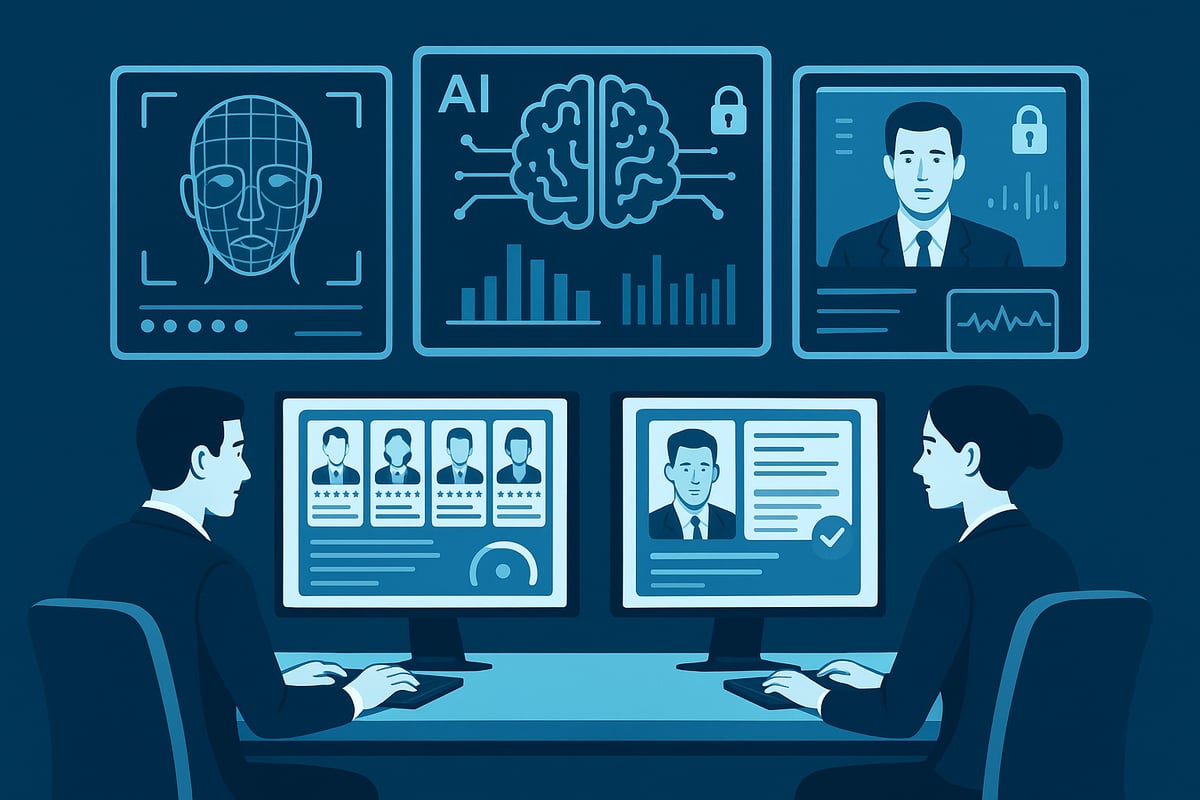
Technology is rapidly transforming how organizations prevent candidate impersonation in the hiring process. As threats evolve, leveraging advanced digital tools is now essential for recruitment teams. From AI-driven fraud detection to robust proctoring systems and secure data practices, the right technology can make all the difference.
AI and Machine Learning Solutions
Artificial intelligence is at the center of modern efforts to prevent candidate impersonation. AI-powered systems analyze candidate data, searching for anomalies and inconsistencies that might signal fraudulent activity. Machine learning models can identify suspicious patterns in resumes, application histories, and assessment responses.
Facial recognition and voice analysis are now common in digital interviews. These technologies confirm candidate identity by matching real-time video or audio with official records. Real-time deepfake detection tools add another layer, flagging any signs of manipulated media during interviews.
Recruiters must also consider candidate trust. A Gartner survey on candidate trust in AI found that only 26 percent of applicants trust AI to fairly evaluate them, highlighting the importance of transparent, robust verification methods.
Advanced Proctoring and Monitoring Tools
Online assessments are a prime target for impersonators, so advanced proctoring tools are essential to prevent candidate impersonation. AI-enabled proctoring solutions monitor test environments in real time, using browser lockdowns and keystroke analysis to ensure candidates do not seek outside help.
Continuous monitoring features flag suspicious activities, such as someone else entering the room or unusual response patterns. These tools integrate seamlessly with applicant tracking and assessment platforms, streamlining the process for hiring teams.
Key features of advanced proctoring tools include:
- Browser lockdown to block unauthorized access
- Keystroke dynamics for identity verification
- Automated flagging of unusual behavior or technical anomalies
By deploying these technologies, organizations can significantly reduce the risk of impersonation during digital assessments.
Data Security and Privacy Considerations
To prevent candidate impersonation effectively, organizations must prioritize data security and privacy. Compliance with regulations such as GDPR and CCPA is critical, ensuring that all candidate information is handled with care. Secure data storage and strict access controls help protect sensitive identity documents and assessment records.
Transparency with candidates about verification processes builds trust and encourages cooperation. Organizations should clearly communicate how personal data is used and protected. Regular audits and updates to security protocols further strengthen the defense against impersonation threats.
When organizations prevent candidate impersonation, they not only safeguard their hiring process but also enhance their reputation as trustworthy employers. By combining advanced technology with strong privacy practices, businesses can create a robust barrier against evolving impersonation tactics.
Process and Policy Improvements for Ongoing Prevention
Organizations committed to prevent candidate impersonation must continuously refine their recruitment processes and policies. As threats evolve, staying proactive is essential to maintain hiring integrity and protect business operations.
Updating Recruitment Policies
To effectively prevent candidate impersonation, start by thoroughly reviewing and updating your recruitment policies. Address new impersonation tactics by integrating identity and credential verification into every stage of hiring.
Mandate identity verification and credential checks for all hires, regardless of role or seniority. Establish clear minimum standards for digital assessments and video interviews, ensuring consistency across remote and hybrid hiring scenarios.
Example policy updates:
- Require government-issued ID verification for all candidates.
- Implement digital assessment protocols with secure browser requirements.
- Outline procedures for verifying educational and employment credentials.
- Provide policy templates for remote and hybrid recruitment.
| Policy Area | Update Example |
|---|---|
| Identity Verification | Mandatory government ID check |
| Credential Validation | Direct confirmation with institutions |
| Digital Assessments | Secure browser and monitoring |
Regular policy reviews help organizations stay ahead and prevent candidate impersonation from undermining hiring quality.
Continuous Process Improvement
Continuous improvement is essential to prevent candidate impersonation from slipping through the cracks. Schedule regular audits of recruitment workflows to identify vulnerabilities and ensure compliance with updated policies.
Gather feedback from hiring managers and candidates to spot pain points and opportunities for enhancement. Use these insights to adapt processes quickly as new impersonation threats emerge.
Process improvement best practices:
- Conduct quarterly process reviews with cross-functional teams.
- Track incidents and responses in a centralized log.
- Use feedback surveys post-hiring to assess candidate experience.
- Benchmark against industry standards for ongoing relevance.
By fostering a culture of process improvement, organizations can prevent candidate impersonation and build confidence in their hiring pipeline.
Collaboration and Industry Partnerships
Collaboration is a powerful way to prevent candidate impersonation at scale. Participate in industry forums and networks to exchange best practices and stay informed about emerging threats.
Work closely with verification service providers and technology partners to enhance your organization’s defenses. Join or establish joint task forces within your sector to address unique risks and share threat intelligence.
Collaborative strategies include:
- Sharing anonymized incident data with industry peers.
- Partnering with tech vendors on pilot programs for new verification tools.
- Contributing to working groups focused on sector-specific challenges.
Through ongoing collaboration, you can prevent candidate impersonation more effectively and position your organization as a leader in secure hiring.
Future-Proofing Your Hiring Against Impersonation Threats
The landscape of candidate fraud is changing rapidly. As organizations strive to prevent candidate impersonation, the ability to anticipate and adapt to new threats is essential. Future-proofing your hiring process means staying ahead of sophisticated schemes and building resilience into every step.
Anticipating Emerging Threats
To prevent candidate impersonation, organizations must keep a close watch on evolving technologies. AI-generated content, deepfakes, and new digital identity fraud methods are advancing quickly. Companies should monitor these developments and invest in research tools that flag suspicious activity before it becomes a problem.
Consider these proactive steps to prevent candidate impersonation:
- Subscribe to threat intelligence feeds focused on recruitment fraud.
- Regularly review updates in AI and deepfake detection.
- Implement early warning systems that alert hiring teams to anomalies.
A practical approach is to create a checklist for your hiring team, ensuring every new threat is considered. By doing so, you can prevent candidate impersonation from undermining your recruitment process.
Building a Culture of Trust and Security
Creating a culture that prioritizes security is just as important as technology. Encourage all employees to recognize and report suspicious activity. Training sessions and open forums help team members understand their role in helping prevent candidate impersonation.
Fostering trust starts with leadership. Recognize staff who demonstrate vigilance, and make incident reporting simple and accessible. Open communication ensures that potential threats are surfaced early, while ongoing education keeps everyone informed about impersonation trends.
When your team feels empowered to act, you create an environment where it is easier to prevent candidate impersonation before it affects your business.
Scaling Solutions for Global and Remote Hiring
As global and remote hiring expands, scalable solutions are vital to prevent candidate impersonation across borders. Cross-border verification introduces unique challenges, including different legal standards and document types.
To address this, adopt verification frameworks that adapt to various regions. Partner with international credential validation services and implement tools that scale as your hiring needs grow. For example, using a modular system allows you to add or update verification steps for new markets.
Collaboration with trusted global partners ensures you can prevent candidate impersonation even when hiring at scale, safeguarding both your brand and your workforce.
Measuring Success and ROI of Prevention Efforts
Tracking the effectiveness of your efforts to prevent candidate impersonation is crucial. Define key metrics, such as the reduction in fraud incidents, time-to-hire, and candidate quality. Use analytics to measure performance and refine your strategies.
Here is a simple table to help track progress:
| Metric | Baseline | Current | Target |
|---|---|---|---|
| Fraud Incidents | 10 | 3 | 0 |
| Time-to-Hire (days) | 30 | 24 | 20 |
| Candidate Quality | 75% | 85% | 90% |
Report these outcomes to stakeholders regularly. Continuous improvement ensures you always have the right strategies in place to prevent candidate impersonation, maximizing your hiring ROI.
As you’ve seen, staying ahead of candidate impersonation threats in 2026 means blending the right technology with smart hiring practices. If you want to confidently protect your team and reputation while streamlining your recruitment process, there’s no need to navigate these risks alone. With Augmnt’s advanced candidate validation and fraud detection tools, you can focus on finding the right talent—without second guessing their authenticity. If you’re ready to see how this trusted approach can work for your organization, I invite you to Request a Demo and experience the difference for yourself.