Interview Fraud Detection Guide: Essential Strategies 2026
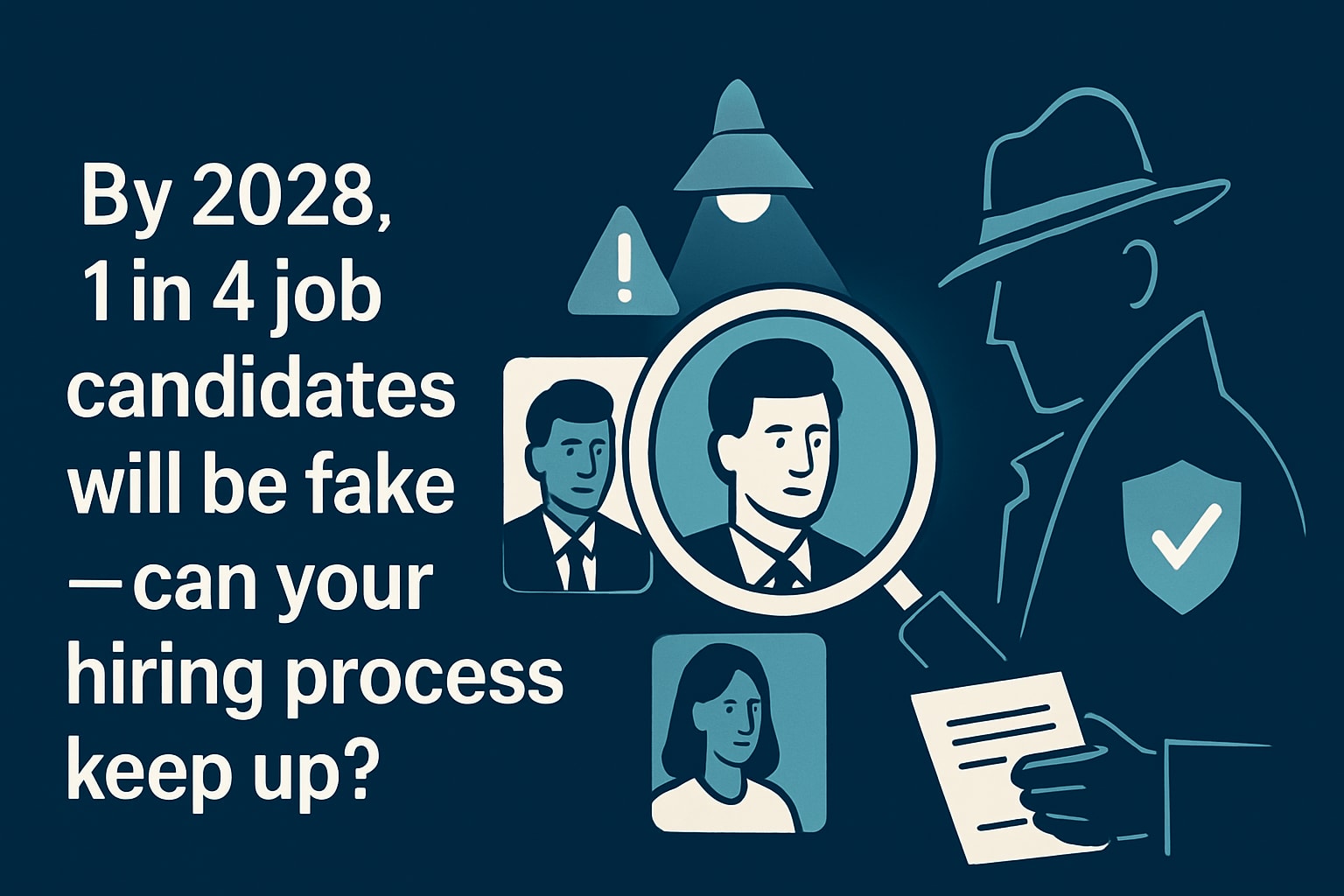
By 2028, 1 in 4 job candidates will be fake. Can your hiring process keep up? The rapid growth of remote work and AI-powered tools has made interview fraud detection more critical than ever.
Interview fraud is now a costly, fast-evolving threat affecting organizations worldwide. This guide delivers essential strategies to help you spot and prevent fraud in your hiring process by 2026.
You’ll learn why interview fraud is rising, how fraudsters operate, the warning signs to watch for, the latest detection technologies, and step-by-step methods to protect your team. Stay informed and future-proof your talent pipeline with up-to-date interview fraud detection tactics.
The Alarming Rise of Interview Fraud: Trends and Statistics for 2026
The hiring landscape is changing rapidly, and interview fraud detection is now a business-critical priority. What was once a rare occurrence has become a global epidemic, threatening hiring quality and organizational security at every level.
Staggering Growth in Interview Fraud
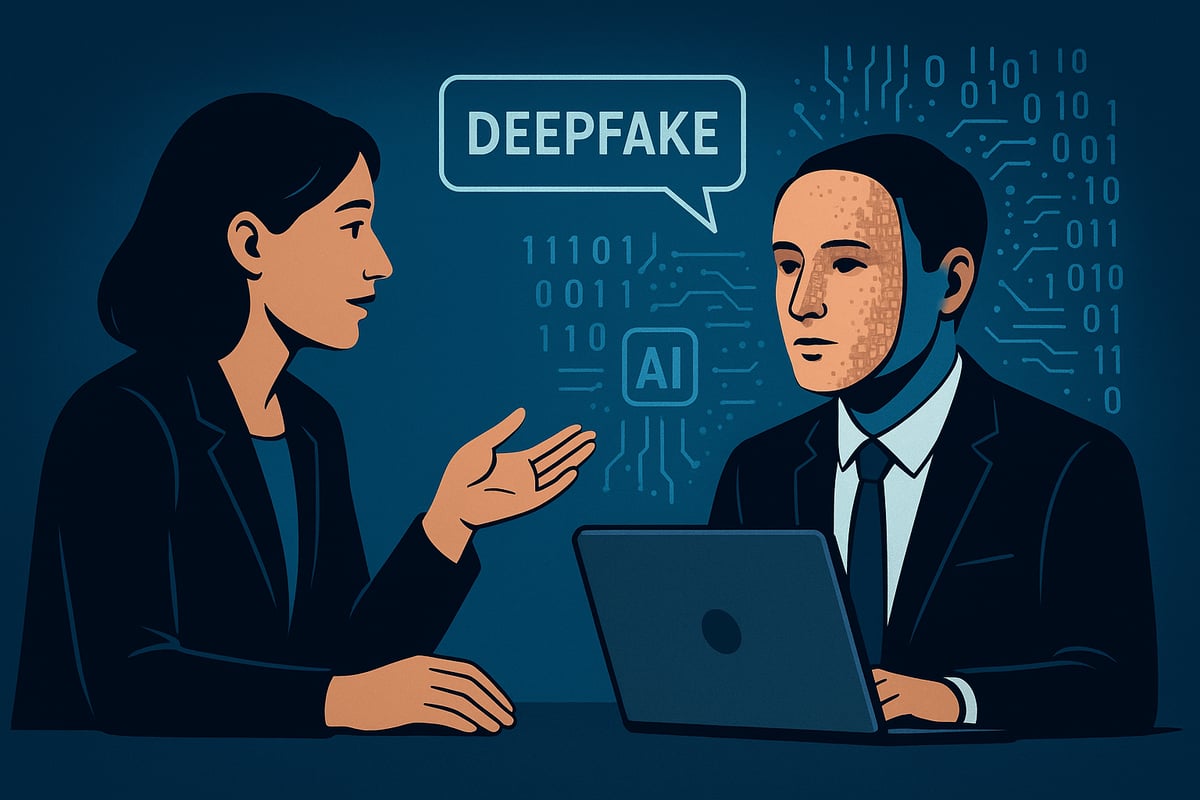
Recent research reveals just how widespread the problem has become. According to Gartner predicts 25% of candidate profiles will be fake by 2028, by 2028, one in four job candidates globally will not be who they claim. This explosive growth has serious implications for interview fraud detection across every industry.
A closer look at the data shows:
- Candidates are nearly four times more likely to misrepresent themselves compared to 2021 (Crosschq).
- 95% of organizations have faced a deepfake incident in the past year, and 40% have experienced a GenAI-related security breach (HYPR).
- “Poser” candidates have surged by 50% to 200% in the last year alone (Phenom).
- The average cost per detected proxy hire now stands at $28,000, factoring in legal, productivity, and morale expenses.
| Statistic | Source | Year |
|---|---|---|
| 1 in 4 candidates fake by 2028 | Gartner | 2028 |
| 4x more misrepresentation | Crosschq | 2021-2025 |
| 95% faced deepfake incidents | HYPR | 2025 |
| $28,000 avg. proxy hire cost | Industry | 2025 |
Remote Work and Technology Fuel the Threat
The shift to remote and hybrid work models has made interview fraud detection even more challenging. With fewer in-person interactions, organizations rely heavily on digital screening, which fraudsters exploit using AI and deepfake tools. These technologies are now widely accessible, allowing even non-technical applicants to convincingly fake interviews, credentials, and identities.
Real-World Impact: The Cost of Sophisticated Fraud
Consider the case of a worker who used AI-altered photos and stolen identities to pass background checks and interviews. This type of sophisticated fraud is no longer unusual. Organizations not only risk wasted resources but also expose themselves to compliance violations, reputational harm, and internal disruption. As the threat evolves, interview fraud detection must keep pace with both the scale and complexity of these attacks.
With the stakes so high, companies can no longer afford to treat interview fraud as a minor risk. Proactive interview fraud detection strategies are essential for protecting your organization’s future workforce.
How Interview Fraud Works: Modern Tactics and Methods
Interview fraud detection requires a deep understanding of the evolving methods fraudsters use. Modern tactics are more sophisticated than ever, leveraging AI, social engineering, and digital manipulation to bypass traditional hiring safeguards. Let us break down the most prevalent methods shaping the landscape today.
Deepfake and Video Manipulation
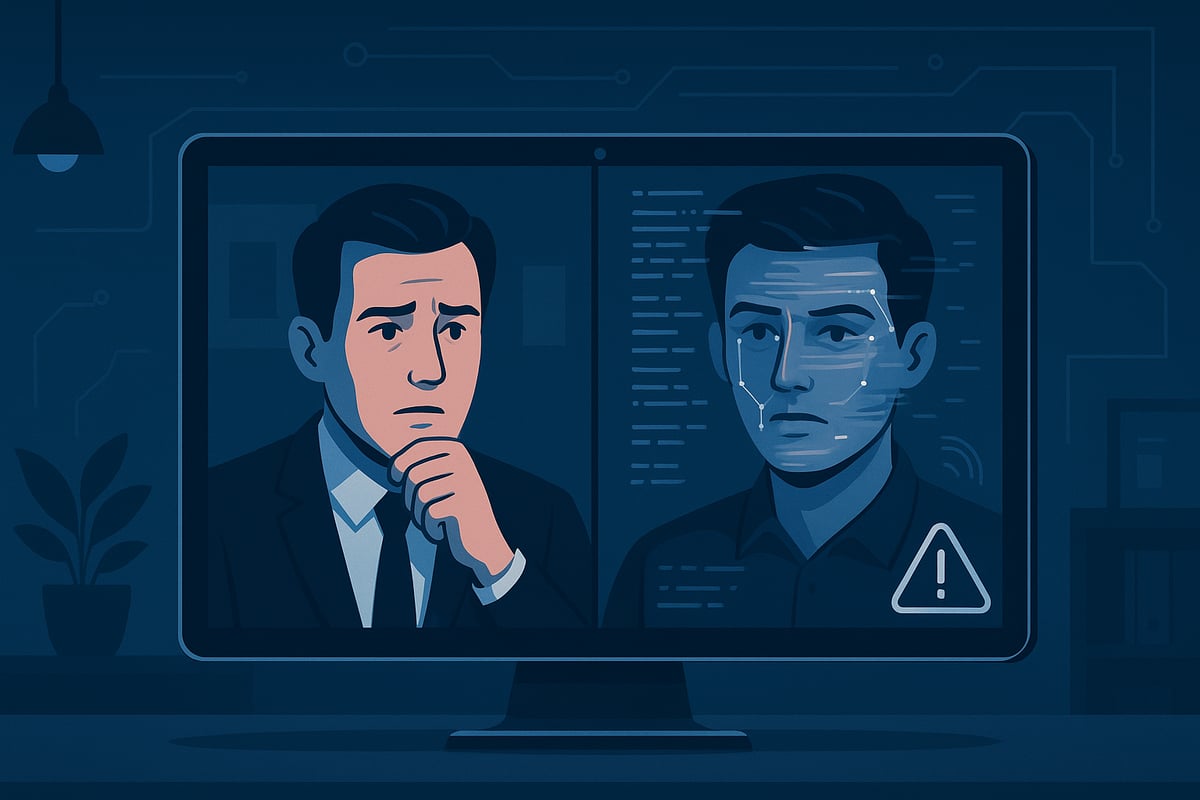
Recent advances in AI have enabled job candidates to use real-time deepfake software to alter their appearance and voice during interviews. These tools can generate highly convincing video feeds that mimic someone else, making it extremely difficult for untrained eyes to spot deception. In fact, without specialized interview fraud detection tools, even experienced recruiters may not notice they are speaking to a digital imposter.
A dramatic example involves candidates using deepfake avatars to impersonate qualified professionals, successfully bypassing multiple interview rounds. The rise of remote work has accelerated this trend, offering fraudsters a perfect cover. For more on how deepfake technology is being used by job applicants, see Deepfake AI job applicants exploiting remote work.
Because these manipulations are so sophisticated, interview fraud detection now relies on both technology and human vigilance. Watch for subtle facial glitches, mismatched audio, or unnatural eye movement.
Proxy and Bait-and-Switch Candidates
Proxy hiring schemes are another growing challenge for interview fraud detection. In these scenarios, one person with strong credentials completes the interview process, while an entirely different individual shows up for work. This tactic is particularly common in the technology and cybersecurity sectors, where skill verification is challenging.
Remote hiring has increased this risk, as physical presence is no longer required. Recruiters may unknowingly onboard someone who lacks the skills or background initially presented. To fight this, organizations must implement multi-stage interview processes, use live skills assessments, and verify identity at every step.
Proxy fraud can devastate team productivity and company reputation. Interview fraud detection protocols should include video verification and cross-checking candidate details at various stages.
AI-Generated and Scripted Responses
With the widespread availability of large language models, candidates now use AI tools like ChatGPT or Claude to generate polished, context-aware answers in real time. These responses often sound flawless, making it difficult for interviewers to distinguish genuine expertise from scripted content.
The challenge for interview fraud detection is that AI-generated answers can adapt quickly to follow-up questions or technical prompts. Recruiters may notice that answers are consistently perfect or lack authentic personal detail. Solutions like Phenom’s AI answer detection tools are emerging to help flag suspiciously scripted responses during interviews.
To mitigate this risk, interviewers should use dynamic questioning and ask for specific, real-world examples that are difficult for AI to fabricate. Consistency checks across multiple interviews can also help.
Document and Identity Fraud
Document fraud remains a persistent threat in interview fraud detection. Candidates may submit falsified diplomas, altered resumes, or AI-generated credentials to bolster their applications. Some even use stolen identities to pass background checks and multiple video interviews.
A notable example is a candidate who used a stolen identity and AI-altered documents to clear all interview rounds, only to be exposed during a final in-person verification. To counteract this, organizations should require government-issued ID checks with biometric or live gesture verification before extending offers.
Integrating document validation tools and background screening into the interview process is essential for robust interview fraud detection.
Evasion and Social Engineering Tactics
Fraudulent candidates often manipulate interview logistics to avoid detection. They may control camera angles, refuse to share their workspace, or use virtual backgrounds to hide their environment. Some even rely on off-camera assistance or prompt engineers to feed them answers during the call.
Social engineering can also play a role, as candidates build trust and deflect deeper scrutiny. Common red flags include reluctance to adjust the camera, avoidance of follow-up questions, and inconsistent knowledge across topics.
Effective interview fraud detection requires a combination of technical safeguards and interviewer training. By recognizing these tactics, hiring teams can take proactive steps to safeguard their process.
Red Flags and Real-Time Detection: How to Spot Interview Fraud
Interview fraud detection is no longer a niche concern—it's essential for every hiring team in 2026. As fraudsters leverage advanced AI and deepfake technologies, recruiters must develop a keen eye for both subtle and obvious warning signs. Recognizing these red flags early can prevent costly hiring mistakes and safeguard your organization's reputation.
Technical Warning Signs
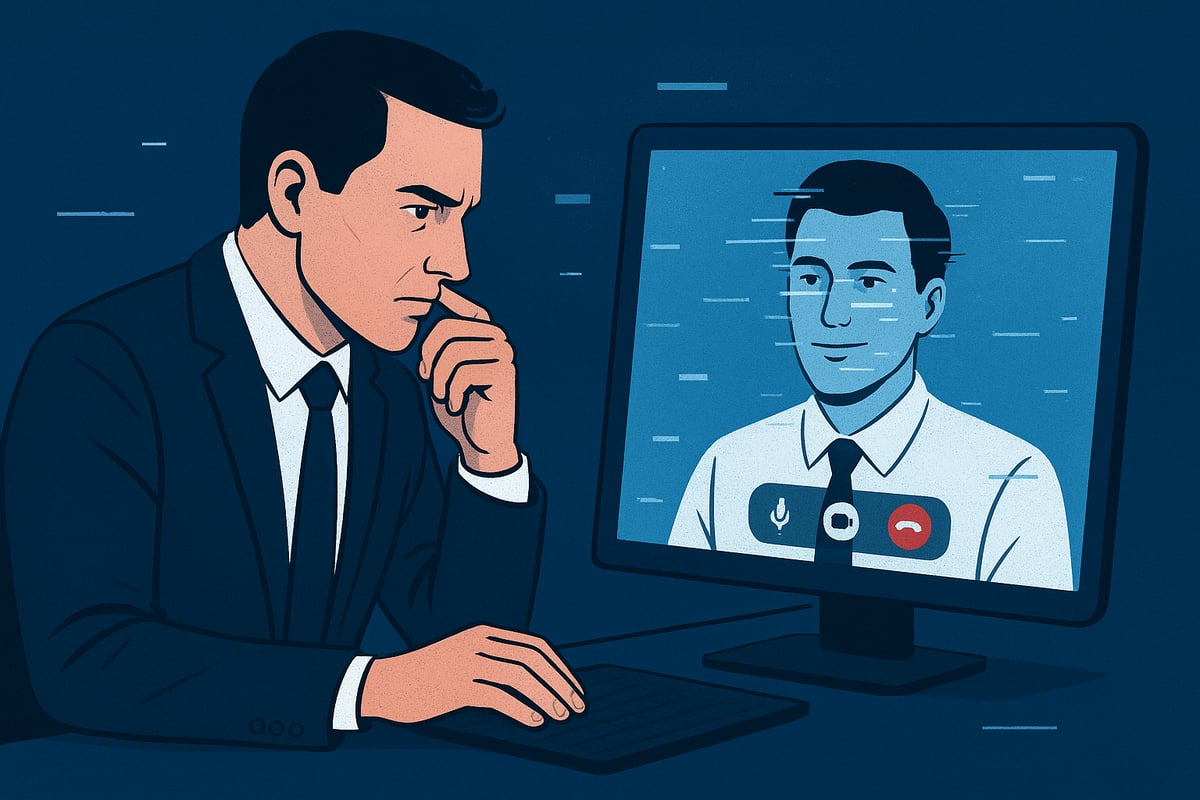
Modern interview fraud detection begins with a sharp focus on technical anomalies. Fraudsters often rely on deepfake tools or off-camera assistance, leaving behind telltale digital footprints.
- Audio and video inconsistencies, such as sudden changes in quality or lipsync issues
- Unnatural facial expressions or micro-expressions that seem robotic or mismatched
- Noticeable delays in responses, possibly indicating someone else is feeding answers
- Suspicious screen sharing activity, or evidence of multiple applications running
Short glitches or unnatural pauses during a video call are not always innocent. Interviewers should be alert to minor discrepancies, as these may signal the use of manipulation software. By systematically observing these technical red flags, your interview fraud detection process becomes much more robust.
Behavioral and Knowledge-Based Red Flags
Behavioral cues are equally important in interview fraud detection. While technology can fake appearances, it struggles to mimic genuine expertise and adaptive thinking.
- Scripted or overly polished answers that lack personal detail
- Difficulty elaborating on answers when probed with follow-up questions
- Deep knowledge in one area but surprising ignorance in another
- Reluctance to adjust the camera or show the workspace when asked
Candidates who avoid simple requests, like moving their camera, may be hiding something. Listen for inconsistencies between their resume and their real-time responses. Effective interview fraud detection requires probing beneath the surface and watching for lapses in authenticity.
Geographic and Digital Footprint Clues
In a remote hiring landscape, digital footprints offer critical clues for interview fraud detection. Fraudsters often misrepresent their location or use compromised devices to hide their identity.
- IP addresses that do not match the candidate’s claimed location
- Device fingerprinting revealing multiple candidates using the same setup
- Environmental inconsistencies, such as backgrounds that do not align with the stated region
- Case study: An applicant traced to a different continent than declared
By cross-referencing login data and environmental details, recruiters can spot mismatches that signal possible fraud. These checks are vital steps in a thorough interview fraud detection protocol.
Multi-Layered Detection Approaches
The most effective interview fraud detection combines technical, behavioral, and digital analyses. Training interviewers to recognize subtle cues and using real-time monitoring tools are essential.
- Deploy AI-powered tools to analyze video, audio, and candidate behavior
- Use multi-interviewer panels to compare impressions and reduce bias
- Record interviews (with consent) for further review and validation
- Continually update detection protocols as new fraud tactics emerge
For actionable strategies, Five strategies to identify AI deepfakes in hiring offers practical methods, blending technical checks with behavioral analysis. Combining these approaches creates a resilient defense, ensuring your interview fraud detection remains ahead of evolving threats.
Step-by-Step Strategies to Prevent Interview Fraud in 2026
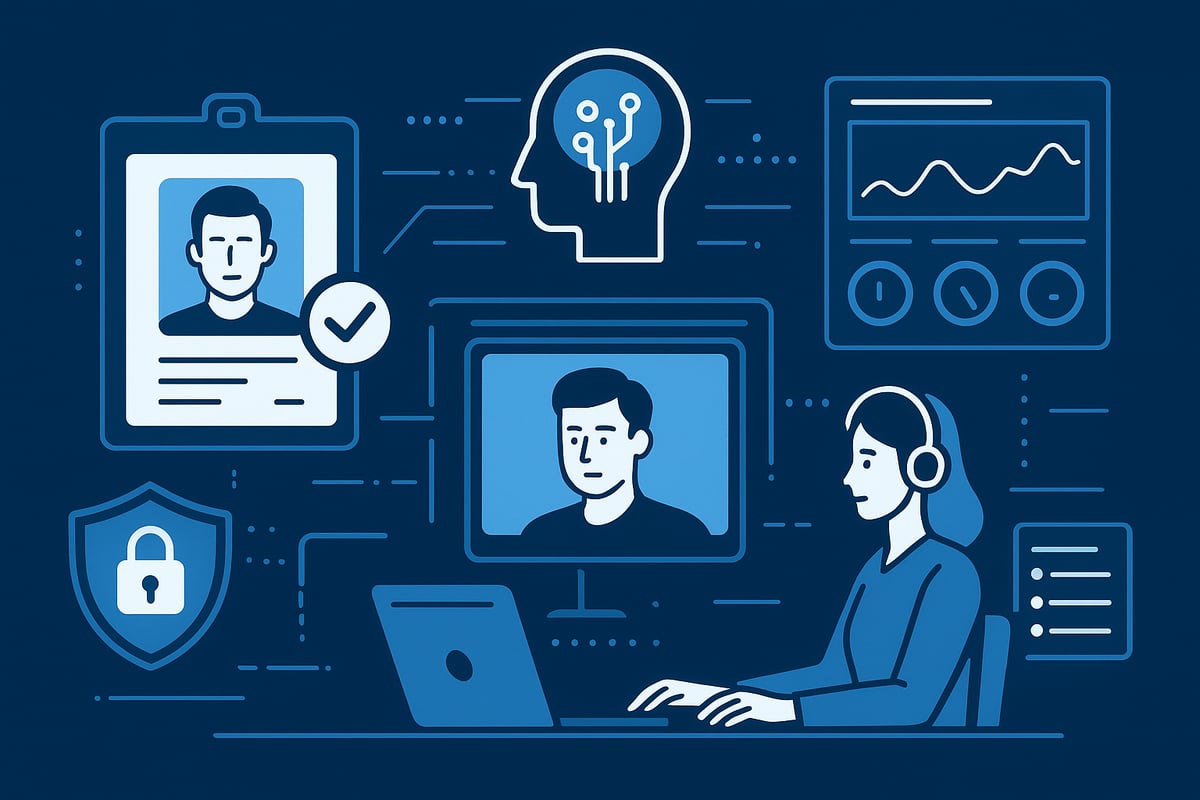
Preventing interview fraud detection failures requires a proactive, layered approach. As digital deception tools become more advanced, a robust strategy is essential to protect your organization. Here, we outline the critical steps every hiring team should implement to ensure only genuine candidates make it through your process.
1. Pre-Interview Verification
Strengthening pre-interview controls is the first line of defense for interview fraud detection. Require government-issued identification, verified through live gesture or biometric checks, before scheduling interviews. Implement preliminary reference checks to identify inconsistencies early.
Practical, real-time skill assessments are powerful tools. Use coding challenges, situational tests, or portfolio reviews that are difficult to fake or outsource. According to 72% of recruiters report AI-driven job fraud, the surge in deepfake interviews and AI-generated resumes makes these measures more crucial than ever.
Create a standardized checklist for all candidates:
- Collect and verify photo identification.
- Schedule a brief live video call for ID confirmation.
- Initiate reference checks before the main interview round.
- Assign practical tasks with real-time supervision.
These steps lay a strong foundation for interview fraud detection and reduce risks before candidates even reach the interview stage.
2. During the Interview: Real-Time Safeguards
During live interviews, real-time protections are vital for effective interview fraud detection. Start with environmental scans by requesting a 360-degree view of the candidate’s workspace. This helps confirm the individual’s authenticity and environment.
Use dynamic questioning techniques. Ask follow-up questions that require personal insights or specific examples. Structured behavioral interviews can expose memorized or AI-generated answers.
Best practices for in-interview fraud prevention include:
- Recording all interviews (with consent) for later review.
- Involving multiple interviewers to provide varied perspectives.
- Mandating cameras remain on throughout.
If a candidate hesitates to adjust their camera or seems overly rehearsed, treat it as a red flag. These safeguards collectively make interview fraud detection more reliable at this critical stage.
3. Post-Interview Validation
Interview fraud detection should not stop when the conversation ends. After the interview, cross-check candidate responses across multiple interview rounds for consistency. Look for discrepancies in technical knowledge, personal stories, or problem-solving approaches.
Validate all references thoroughly. Reach out to listed contacts directly and verify their legitimacy. Watch for coordinated fraud attempts, such as references with shared IP addresses or suspicious patterns.
Integrate background checks with interview data. Use secure systems to compare submitted credentials with third-party databases. If any inconsistencies emerge, escalate for further review.
A post-interview checklist might include:
- Reviewing interview recordings for suspicious behavior.
- Confirming reference authenticity and employment history.
- Running comprehensive background screenings.
This phase is essential for closing any gaps in your interview fraud detection framework.
4. Technology Integration and Automation
Embracing technology elevates your interview fraud detection capabilities. Deploy AI-powered software that analyzes video, audio, and text for signs of manipulation or AI generation. Integrate these tools with your ATS for seamless workflow.
Key technologies include:
- Real-time fraud alerts flagging unusual candidate behavior.
- Voice and facial recognition for verifying identity consistency.
- Behavioral biometrics tracking typing cadence or mouse movements.
Securely store interview recordings and notes in compliant, encrypted systems. Automated reports assist in identifying trends, allowing for rapid response to evolving threats.
A technology-driven approach ensures your interview fraud detection process keeps pace with increasingly sophisticated fraud tactics.
5. Continuous Training and Process Improvement
Interview fraud detection is not static. Regularly train your hiring teams on new fraud tactics, including deepfakes and AI-generated responses. Update protocols at least quarterly to reflect the latest threats and best practices.
Foster a culture of vigilance. Encourage open discussion about suspicious cases and share learnings within the team. Collaborate with industry peers to exchange insights and stay ahead of fraud trends.
Consider these ongoing actions:
- Schedule quarterly fraud detection workshops.
- Distribute threat intelligence updates.
- Review and refine interview questions to address new risk areas.
Continuous improvement is the backbone of resilient interview fraud detection, ensuring your hiring process remains secure and future-ready.
Advanced Detection Technologies and Tools for 2026
The landscape of interview fraud detection is evolving rapidly, with sophisticated technologies now essential for protecting your hiring process. As fraudsters leverage AI and deepfake tools, employers must adopt advanced solutions to stay ahead. Let us break down the leading technologies and tools shaping interview fraud detection in 2026.
AI-Powered Fraud Detection
Artificial intelligence now sits at the core of interview fraud detection. Machine learning models can analyze thousands of candidate interactions to spot unusual patterns that indicate fraud.
- Real-time video and audio analysis detect manipulations, such as deepfakes.
- Text analysis tools flag AI-generated or scripted answers during interviews.
- Behavioral analytics identify inconsistencies in communication or engagement.
By continuously learning from new threats, AI-driven interview fraud detection tools adapt to the latest fraud tactics.
Biometric and Identity Verification
Biometrics are increasingly critical for interview fraud detection, providing a powerful layer of candidate verification.
- Facial recognition confirms a candidate’s identity throughout the hiring process.
- Voice pattern analysis detects mismatches or voice modulation.
- Behavioral biometrics, such as typing cadence and mouse movement, reveal if someone is being assisted or replaced.
These techniques help ensure only legitimate candidates proceed, making biometric verification a cornerstone of interview fraud detection.
Real-Time Monitoring and Environmental Analysis
Modern interview fraud detection depends on continuous monitoring during remote interviews.
- Live screen sharing allows interviewers to see candidate computer activity.
- Secondary camera feeds verify that no one is providing off-camera assistance.
- Environmental scanning checks for staged backgrounds or manipulated settings.
This holistic approach ensures transparency and reduces opportunities for fraudulent behavior.
Integration with Hiring Platforms
Effective interview fraud detection requires seamless integration with existing hiring systems.
- Automated alerts notify recruiters of suspicious activity in real time.
- ATS and HRIS integration centralizes candidate data and risk signals.
- Secure, compliant storage of interview recordings supports future audits.
A unified system ensures that interview fraud detection is both scalable and consistent across all hiring workflows.
Industry Examples and Data
Several industry leaders are setting the standard for interview fraud detection.
| Tool | Key Features | Impact |
|---|---|---|
| Crosschq | Device fingerprinting, shared IP detection, behavioral analysis | $28,000 saved per detected proxy hire |
| Phenom | Real-time AI answer detection, recruiter guidance | Reduced “poser” candidates |
Organizations leveraging these interview fraud detection tools report significant cost savings and improved candidate quality. With the average loss per proxy hire at $28,000, investing in robust detection technology is not just smart—it is essential.
Future-Proofing Your Hiring Process: Staying Ahead of Evolving Fraud
The landscape of interview fraud detection is changing faster than ever. As technology evolves, hiring teams must adapt to stay ahead of sophisticated fraudsters. Future-proofing your process requires anticipating new threats, investing in advanced tools, and creating a culture of vigilance to protect your organization.
Emerging Threats and Technologies
Interview fraud detection must evolve to counter increasingly advanced threats. AI-generated resumes and deepfake videos are becoming more realistic, making traditional screening methods less effective.
Blockchain technology is emerging as a solution for secure, immutable credential verification. By verifying education and work history on a tamper-proof ledger, companies can reduce reliance on easily forged documents. Next-generation biometrics, such as combining facial recognition with voice and behavioral data, add extra layers of security.
Anticipating these developments is key. Organizations should monitor trends and update their interview fraud detection protocols regularly. This proactive approach limits exposure to new fraud tactics.
Building a Culture of Vigilance
Technology alone cannot ensure effective interview fraud detection. Building a vigilant culture within your hiring team is essential for ongoing protection.
Continuous improvement should be a priority. Schedule regular reviews of fraud detection processes, and update them as new threats emerge. Recruiters and hiring managers need ongoing training to recognize subtle indicators of fraud, such as behavioral inconsistencies or unusual digital footprints.
Transparency with candidates is also vital. Clearly communicate your use of verification tools and monitoring, which not only deters potential fraudsters but also builds trust with honest applicants.
Legal and Compliance Considerations
As interview fraud detection methods become more sophisticated, legal and compliance obligations must be front and center. Always obtain explicit consent from candidates for monitoring, recording, and storing personal data during the hiring process.
Ensure your practices comply with data privacy regulations such as GDPR and SOC II. Maintain thorough documentation, including audit trails for all fraud detection activities. This not only protects your organization legally but also demonstrates due diligence if questioned by regulators or candidates.
Balancing security with privacy shows respect for candidate rights and safeguards your company’s reputation.
Collaboration and Industry Partnerships
No organization can tackle interview fraud detection alone. Collaboration with industry peers and experts is vital for staying ahead of emerging threats.
Share intelligence about new fraud schemes through professional networks and forums. Leverage third-party platforms that specialize in verified talent, as these services often deploy advanced detection tools and have broader fraud databases.
Participating in industry groups allows you to stay informed on the latest tactics and technologies, ensuring your hiring process remains resilient.
The Business Case for Investment
Investing in robust interview fraud detection pays measurable dividends. According to SHRM, the average cost-per-hire is $4,129, but a bad hire can cost up to $240,000 when factoring in lost productivity, legal fees, and damage to morale.
Proactive fraud prevention reduces these risks. The table below summarizes the financial impact:
| Factor | Without Detection | With Detection |
|---|---|---|
| Average Cost-Per-Hire | $4,129 | $4,129 |
| Bad Hire Loss | Up to $240,000 | Significantly reduced |
| Turnover Rate | Higher | Lower |
By prioritizing interview fraud detection, companies protect both their bottom line and their brand. Investing in advanced tools and training is essential for a secure, future-ready hiring process.
After exploring the latest fraud tactics and the advanced strategies to keep your hiring process secure, it’s clear that staying a step ahead requires more than just vigilance—you need the right tools and partners. If you’re ready to see how a verified AI talent marketplace can help you confidently navigate these challenges and present only fraud-free, qualified candidates to your team, I recommend taking the next step. Let’s show you how streamlined, secure hiring can transform your recruitment process—Request a Demo.