How to Spot AI-Generated Resumes: A 2026 Guide
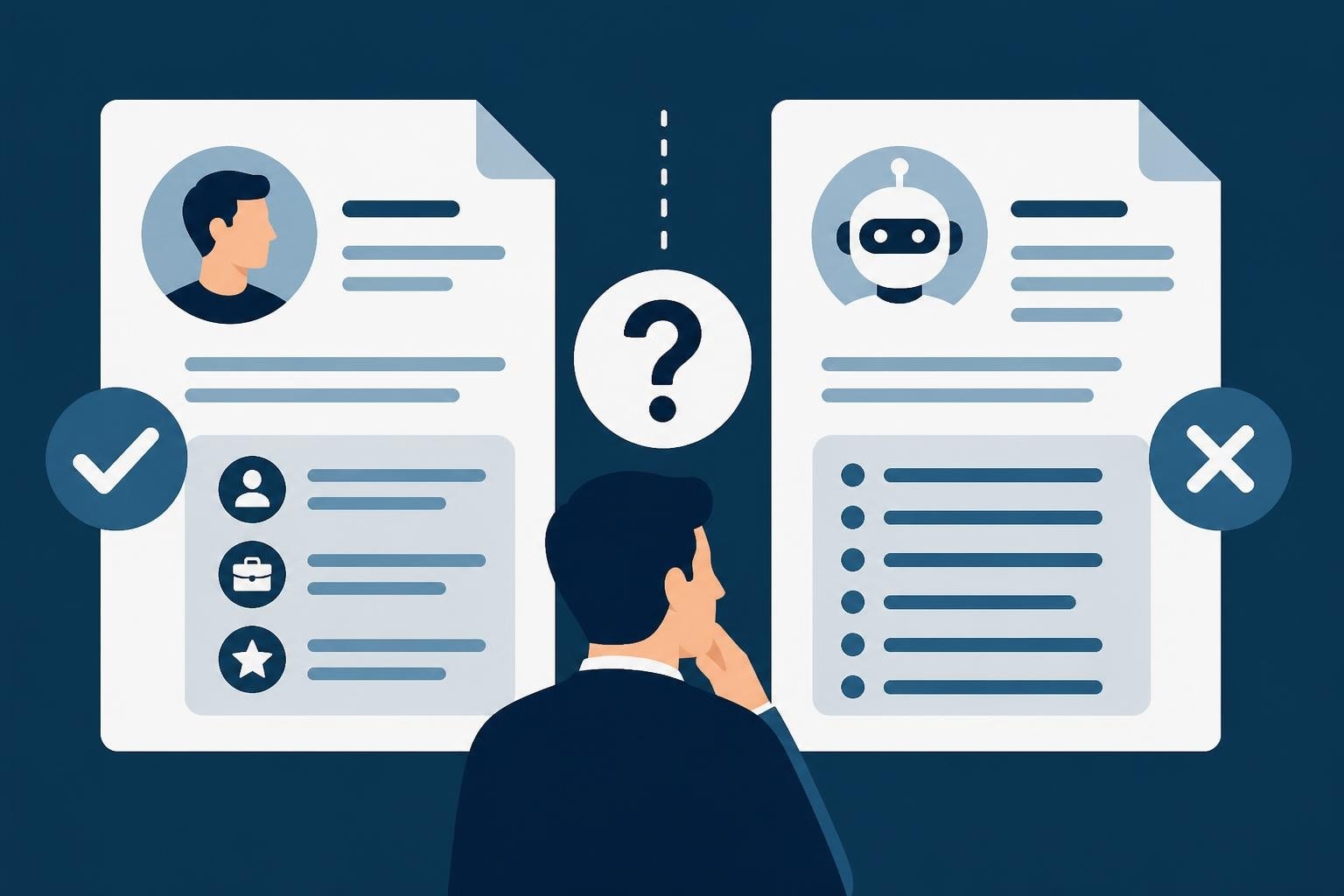
The recruitment landscape has transformed dramatically with the widespread adoption of generative AI tools. While these technologies offer candidates powerful assistance in crafting professional documents, they've also created a significant challenge for hiring teams: distinguishing between authentic, human-crafted resumes and entirely AI-generated applications. As businesses compete for top talent in 2026, understanding how to spot ai-generated resumes has become an essential skill for recruiters, hiring managers, and talent acquisition professionals. The proliferation of AI-generated applications isn't just a minor inconvenience; it represents a fundamental shift in how candidates present themselves and how organizations must adapt their screening processes to maintain hiring quality.
The Rising Tide of AI-Generated Applications
The statistics paint a clear picture of the current hiring environment. According to recent research published in The Atlantic's analysis of AI's impact on the job market, the phenomenon of "signal collapse" has made it increasingly difficult for hiring managers to differentiate between genuine applications and those enhanced or entirely generated by AI. This trend has accelerated as large language models have become more sophisticated and accessible.
The scale of this challenge includes:
- Candidates using AI to generate entire resumes from scratch
- Job seekers employing AI tools to embellish their actual experience
- Applicants creating synthetic career trajectories that never occurred
- Mass application campaigns powered by automated AI systems
The democratization of AI writing tools means that nearly any candidate can produce a polished, professional-looking resume in minutes. While this levels the playing field in some respects, it also creates noise that obscures truly qualified candidates. Organizations must now invest significant resources in verification and validation to ensure they're evaluating real people with genuine skills.
Linguistic Red Flags in AI-Generated Content
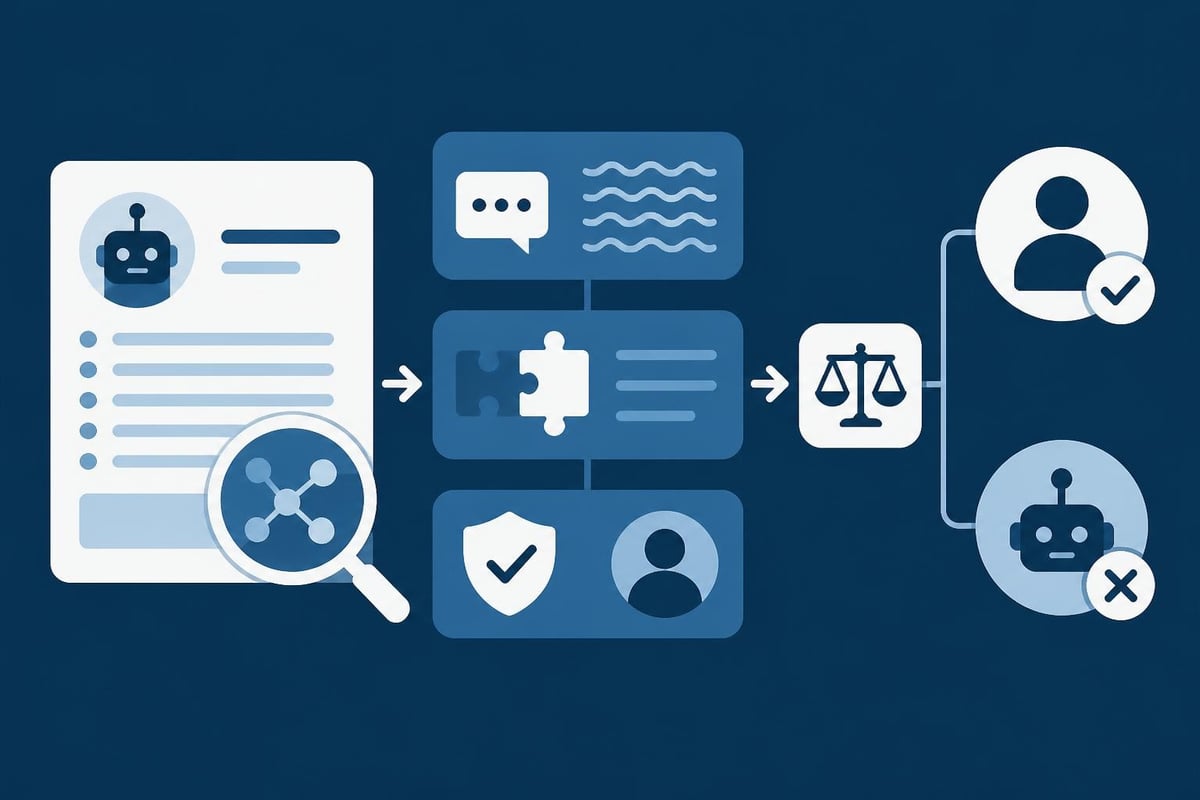
One of the most reliable methods for learning how to spot ai-generated resumes involves analyzing the language patterns and writing style. AI-generated text exhibits distinctive characteristics that differ from natural human writing, particularly in professional contexts where candidates typically inject personal voice and specific details.
Overly Perfect Structure and Formatting
AI-generated resumes often display unnaturally perfect formatting and structure. Every section follows identical patterns, bullet points maintain exact parallelism, and there's a mathematical precision to the layout that human writers rarely achieve. While professional resumes should be well-organized, AI-generated versions take this to an extreme that feels sterile and robotic.
Look for these structural indicators:
- Perfect symmetry in bullet point length across all positions
- Identical sentence structures repeated throughout sections
- Flawless grammar with zero natural variations or stylistic choices
- Overly consistent formatting that never deviates from template patterns
Generic Language and Buzzword Overload
As outlined in Gem's comprehensive guide on detecting AI-generated resumes, excessive reliance on corporate buzzwords and generic phrases serves as a major warning sign. AI models trained on vast datasets of resumes tend to reproduce the most common patterns, resulting in language that sounds professional but lacks specificity.
Common AI-generated phrases include:
- "Results-driven professional with a proven track record"
- "Passionate about leveraging cutting-edge technologies"
- "Exceeded expectations through strategic initiatives"
- "Dynamic team player with excellent communication skills"
The key distinction is that AI-generated content uses these phrases without supporting them with concrete examples or measurable outcomes. A human candidate might say they're "results-driven," but they'll typically follow this claim with specific metrics and achievements.
Unnatural Sentence Flow and Transitions
Human writers naturally vary their sentence structure, occasionally make minor grammatical choices for emphasis, and create organic transitions between ideas. AI-generated text, by contrast, often exhibits an uncanny smoothness that lacks the subtle imperfections of authentic human communication. Michael Page's guide to identifying AI-created resumes emphasizes recognizing this unnatural fluidity as a critical detection method.
Analyzing Career Trajectory Consistency
Beyond language analysis, examining the logical consistency of a candidate's career progression provides powerful insights into resume authenticity. AI-generated resumes often contain subtle inconsistencies that emerge when the technology attempts to fabricate a coherent professional history.
Timeline Inconsistencies and Gaps
| Red Flag | What to Look For | Why It Matters |
|---|---|---|
| Perfect progression | Promotions at exact intervals (every 2 years) | Humans rarely advance on precise schedules |
| No career gaps | Continuous employment with no breaks | Most professionals have some employment gaps |
| Mismatched dates | Start/end dates that don't align across sections | AI may generate conflicting timelines |
| Suspiciously current | All skills and technologies match current trends | Real careers include outdated technologies |
Research from CareerScape's framework for detecting machine-generated trajectories demonstrates that synthetic career paths exhibit structural patterns that differ from genuine professional development. The study found that AI-generated resumes often show unnaturally linear progression without the lateral moves, setbacks, or pivots common in real careers.
Skills and Responsibilities Mismatch
Another effective technique for how to spot ai-generated resumes involves cross-referencing listed skills with job responsibilities and industry norms. AI might list expertise in technologies that didn't exist during the candidate's tenure at a particular company, or claim proficiency in tools that wouldn't align with their stated job functions.
For example, a candidate claiming to have used specific AI frameworks in a 2020 role when those frameworks weren't released until 2023 reveals either fabrication or AI generation. Similarly, junior positions with responsibilities typically reserved for senior roles suggest synthetic content creation.
Technical Detection Methods and Tools
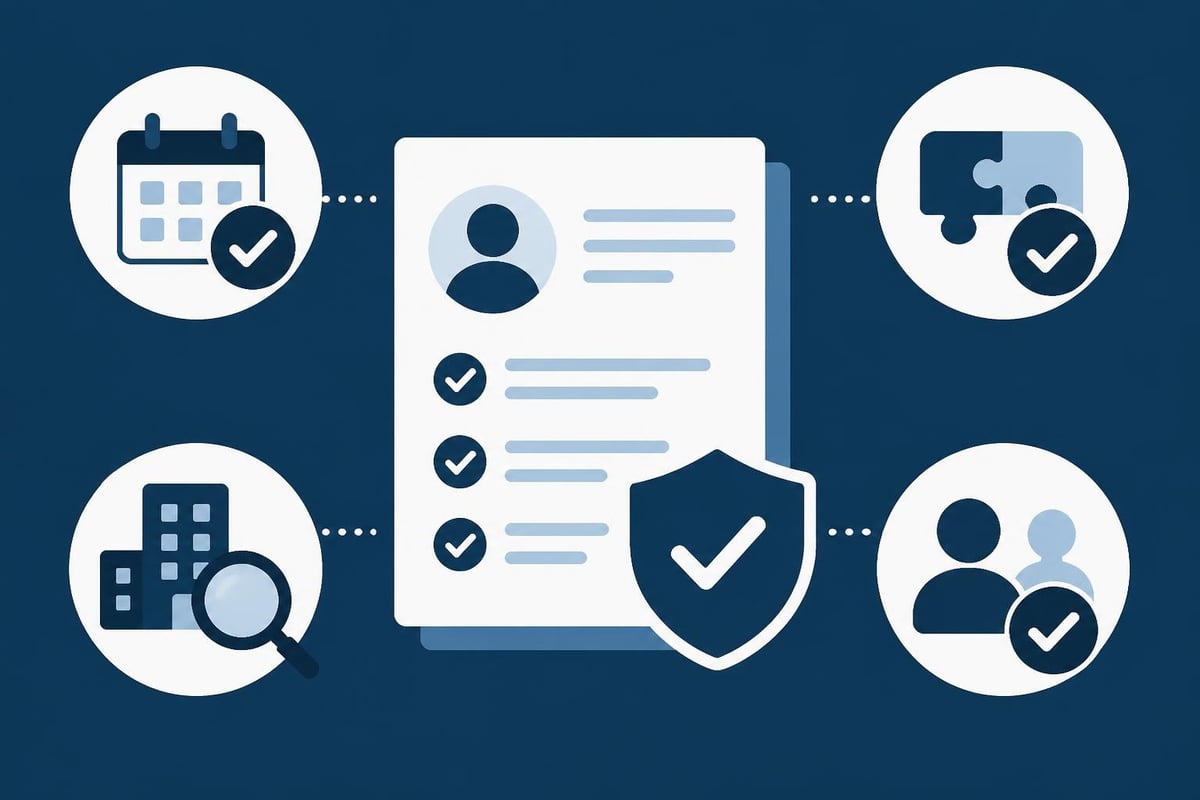
As AI-generated content becomes more sophisticated, technical detection tools have evolved to keep pace. While manual review remains essential, technology can augment human judgment and flag high-risk applications for deeper scrutiny.
AI Detection Software
Several platforms now specialize in identifying AI-generated content. Pangram, developed by former Tesla and Google engineers, represents one of the more sophisticated tools available in 2026. This "black light" for AI-generated text analyzes linguistic patterns, statistical anomalies, and structural markers to identify synthetic content with increasing accuracy.
Key features of modern AI detection tools:
- Pattern recognition algorithms that identify common AI writing signatures
- Statistical analysis comparing text against known AI model outputs
- Consistency checking across document sections
- Verification of factual claims against public databases
- Detection of common AI hallucinations and fabrications
However, these tools aren't foolproof. Sophisticated candidates can combine AI-generated content with human editing to evade detection, making them one component of a comprehensive verification strategy rather than a complete solution.
Resume Fraud Detection Platforms
For organizations handling high volumes of applications, comprehensive fraud detection becomes critical. Augmnt ATS offers verified matching and candidate fraud detection specifically designed for modern hiring challenges, combining AI analysis with human validation to identify not just AI-generated content but also fabricated credentials, embellished experience, and other forms of resume fraud.
Metadata and Document Analysis
Beyond content analysis, examining document metadata can reveal AI generation. Check the document properties for:
- Creation and modification timestamps that occur within seconds
- Software signatures indicating AI writing tools
- Multiple rapid revisions suggesting automated generation
- File naming patterns consistent with AI output
Verification Through Direct Engagement
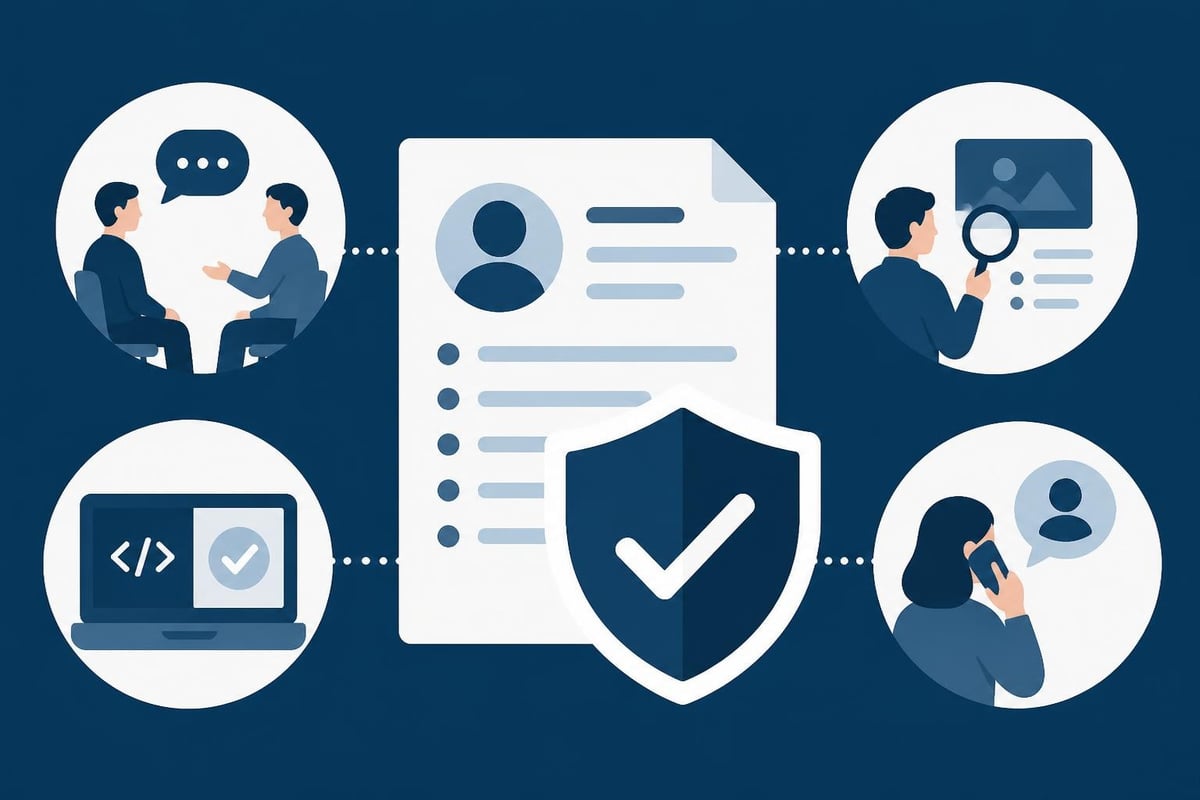
Perhaps the most reliable method for how to spot ai-generated resumes combines technology with human interaction. Direct engagement with candidates quickly reveals whether the resume accurately represents their knowledge and capabilities.
Structured Technical Interviews
Design interview questions that require candidates to elaborate on specific resume claims. Ask them to walk through their problem-solving process for projects they've listed, explain technical decisions they made, or describe challenges they encountered. AI can generate impressive bullet points, but it cannot prepare candidates to discuss experiences they never had.
Consider these verification approaches:
- Request detailed explanations of specific accomplishments listed
- Ask about tools and technologies mentioned in context
- Probe for information about team dynamics and collaboration
- Inquire about failures or challenges overcome during projects
Skills Assessment and Testing
Practical assessments validate claims made in AI-generated or enhanced resumes. A candidate claiming expertise in a particular programming language, design tool, or analytical framework should demonstrate competency under test conditions. The disconnect between resume claims and actual performance often exposes AI-generated content.
| Assessment Type | Purpose | What It Reveals |
|---|---|---|
| Coding challenges | Verify technical skills | Whether claimed expertise is genuine |
| Portfolio reviews | Validate past work | If listed projects actually exist |
| Case studies | Test problem-solving | How candidates apply knowledge |
| Role-playing scenarios | Assess soft skills | Whether communication matches resume tone |
Reference Checking with Depth
Standard reference checks take on new importance when evaluating potentially AI-generated resumes. Go beyond simple employment verification to ask references about specific projects, skills, and achievements the candidate listed. Discrepancies between what references report and what appears on the resume often indicate synthetic content.
Understanding the Broader Context
Learning how to spot ai-generated resumes requires understanding why candidates use these tools and how the practice fits into broader hiring trends. Not all AI-assisted resume creation is fraudulent; many candidates use AI legitimately to improve writing quality or format existing experience professionally.
The Spectrum of AI Usage
Distinguish between different levels of AI involvement:
Legitimate AI assistance includes grammar checking, formatting help, and phrasing improvements while maintaining factual accuracy. This parallels how candidates have long used spell-checkers and templates.
Problematic embellishment occurs when AI significantly exaggerates actual experience or skills, creating misleading impressions without outright fabrication.
Complete fabrication represents the most serious issue, where candidates generate entirely synthetic resumes describing experience, skills, and accomplishments that never occurred.
Your detection efforts should focus primarily on the latter two categories while recognizing that some AI usage falls within acceptable bounds.
The ATS Paradox
Interestingly, AI-driven Applicant Tracking Systems reject a significant portion of resumes based on formatting and keyword issues. This creates a paradox where candidates use AI to optimize for ATS systems, which then filter applications using their own AI. Understanding this dynamic helps explain why AI-generated resumes have proliferated and why human review remains essential for quality hiring.
Developing Organizational Protocols
Individual detection skills matter, but organizations need systematic approaches to address AI-generated resumes at scale. Developing clear protocols ensures consistency across your hiring team and creates defensible processes.
Creating Detection Checklists
Standardize your screening process with documented checklists that guide reviewers through key evaluation points:
- Language analysis for generic phrases and buzzwords
- Timeline verification for gaps and inconsistencies
- Skills-responsibility alignment checks
- Technical accuracy validation
- Reference verification requirements
- Interview depth expectations
Training Your Hiring Team
Ensure everyone involved in recruitment understands how to spot ai-generated resumes. Regular training sessions should cover:
- Latest AI tools and their signatures
- Emerging detection techniques
- Legal and ethical considerations
- Documentation requirements
- Escalation procedures for suspected fraud
Consider bringing in examples of both authentic and AI-generated resumes for comparative analysis, helping your team develop intuition alongside systematic checking.
Balancing Efficiency with Thoroughness
While thorough vetting is essential, it must remain practical within your hiring timeline and budget constraints. Focus intensive verification on finalists rather than screening every application with equal depth. Hiring managers need processes that scale without sacrificing quality.
Implement a tiered approach:
- Initial screen: Quick automated checks and basic pattern recognition
- Qualified candidates: Manual review and preliminary verification
- Finalists: Comprehensive validation including interviews and references
- Final candidates: Deep background checks and skills assessments
Future-Proofing Your Detection Capabilities
AI technology evolves rapidly, and today's detection methods may become obsolete as AI-generated content grows more sophisticated. Organizations must build adaptive capabilities that evolve alongside the threat landscape.
Staying Informed About AI Developments
Monitor developments in generative AI to understand new capabilities that might affect resume creation. Follow research from institutions publishing studies like the multi-agent framework for resume screening, which offers insights into both automated screening and detection possibilities.
Subscribe to industry resources, participate in HR technology forums, and maintain relationships with vendors who specialize in candidate verification. The landscape changes quickly, and continuous learning is essential.
Building Verification Partnerships
Consider partnering with specialized platforms that focus on candidate validation. These partnerships provide access to expertise, technology, and databases that individual organizations struggle to maintain independently. Integrations with comprehensive verification systems can streamline your process while improving accuracy.
Emphasizing Authentic Candidate Experience
Rather than solely focusing on catching AI-generated resumes, design hiring processes that reward authenticity. Create application questions that are difficult to answer with AI, request portfolio materials that demonstrate genuine work, and structure interviews to reveal actual knowledge and capability. When authentic candidates have clear advantages over AI-generated ones, the incentive for fabrication decreases.
Mastering how to spot ai-generated resumes represents just one aspect of maintaining hiring quality in an AI-augmented world. The most effective approach combines technological tools, systematic verification processes, and human judgment to separate authentic candidates from synthetic applications. Rather than fighting this evolution alone, consider how Augmnt can streamline your hiring process with comprehensive candidate validation, fraud detection, and verified matching that ensures you connect with genuine AI professionals who possess the skills your business needs.