7 Essential Steps to Hire Machine Learning Engineer in 2026
In 2026, organizations across every industry are facing unprecedented competition to attract top machine learning talent. The race to leverage artificial intelligence for a strategic advantage has made it more critical than ever to hire machine learning engineer roles with precision and care.
This article reveals seven essential steps to help you hire machine learning engineer candidates who can deliver real business impact. You will learn how to define your needs, source the right talent, screen thoroughly, verify skills, and design a seamless onboarding experience.
With talent shortages on the rise and hiring challenges mounting, a streamlined process is not just helpful—it is essential. Follow this guide for actionable steps to secure the best machine learning engineers for your team.
Understanding the Role of a Machine Learning Engineer in 2026
The landscape to hire machine learning engineer talent in 2026 is vastly different from just a few years ago. As artificial intelligence matures, organizations expect machine learning engineers to deliver business value far beyond traditional model building.
Today’s machine learning engineers are not only responsible for developing advanced models but also for deploying, monitoring, and continuously improving them in production environments. In 2026, these professionals are expected to master the latest in deep learning, generative AI, and cloud-based machine learning platforms.
Evolving Skills and Responsibilities
The skill set required to hire machine learning engineer candidates in 2026 is both broader and deeper. Engineers must demonstrate expertise in:
- Deep learning and neural network architectures
- Generative AI (such as large language models)
- Production-grade model deployment and MLOps
- Cloud ML platforms (AWS, Azure, GCP)
- Data engineering and pipeline automation
- Ethical AI and responsible data usage
A comparison of essential skills over time:
| Skill Area | 2022 Focus | 2026 Requirement |
|---|---|---|
| Model Development | Regression, Trees | Deep, Generative Models |
| Deployment | Batch Scripts | Real-Time, Cloud MLOps |
| Data Engineering | ETL Basics | Automated Pipelines |
| Ethics | Optional | Mandatory, Auditable |
For a comprehensive guide to evolving skill sets, see the Essential skills for ML engineers in 2026.
Industry-Specific Applications and Hybrid Skill Sets
When organizations hire machine learning engineer talent, they look for individuals with domain expertise tailored to their sector. In healthcare, engineers may develop models for patient risk prediction and diagnostic support. Finance relies on ML for fraud detection and algorithmic trading. Manufacturing benefits from predictive maintenance and quality control, while retail leverages recommendation engines and demand forecasting.
Hybrid skill sets are now essential. The most sought-after professionals blend data science, software engineering, and sector-specific knowledge. This enables them to translate business needs into technical solutions, collaborate effectively with cross-functional teams, and drive measurable impact.
Real-World Impact, Collaboration, and Emerging Trends
Hiring the right machine learning engineer can transform business outcomes. For example, a retail company that implemented real-time customer segmentation saw a 20% increase in personalized sales. Competitor data highlights that companies now prioritize engineers with proven experience across both R&D and production settings.
Soft skills are as crucial as technical expertise. Communication, collaboration, and adaptability are vital, especially as projects increasingly span multiple departments.
Emerging trends for those looking to hire machine learning engineer talent in 2026 include a sharp focus on AI model explainability, bias mitigation, and real-time model monitoring. These trends ensure that AI systems remain transparent, fair, and reliable in high-stakes environments.
Step-by-Step Guide: 7 Essential Steps to Hire Machine Learning Engineer in 2026
Hiring the right talent for your AI initiatives is more critical than ever. Follow these seven essential steps to hire machine learning engineer talent that drives business growth in 2026.
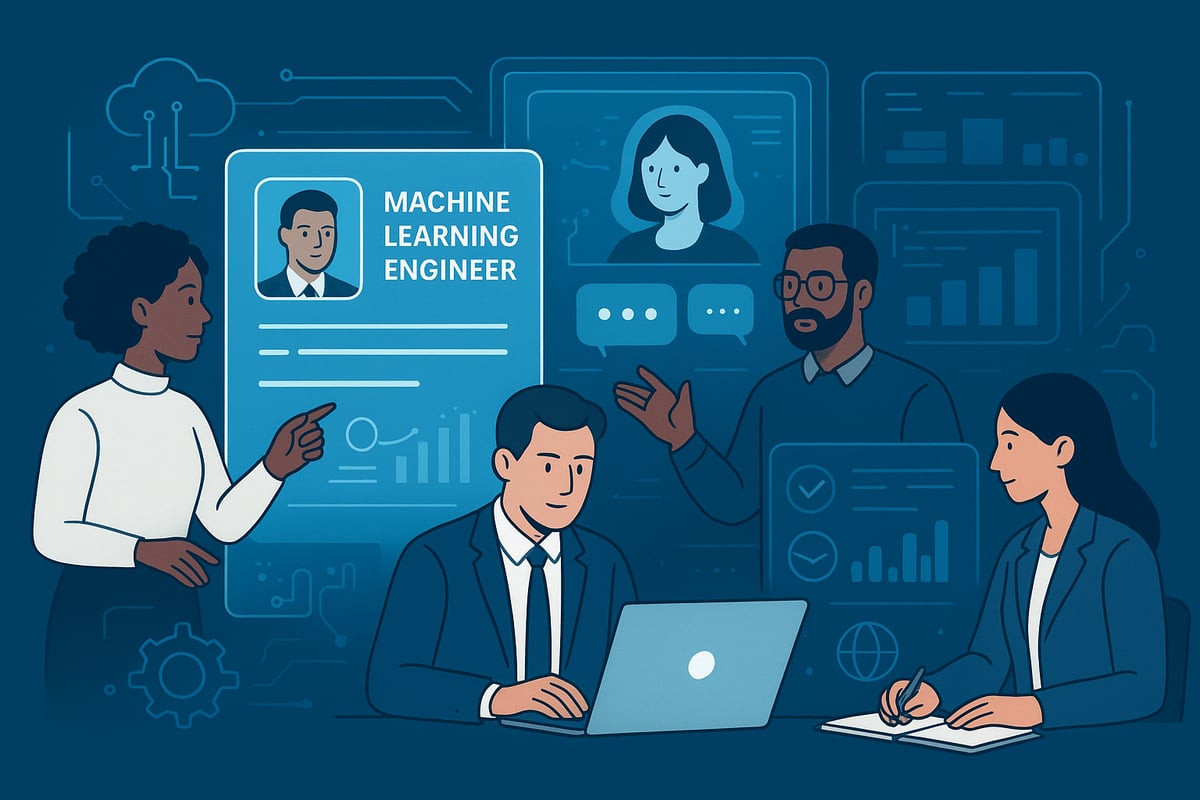
1. Define Your Business Needs and Project Scope
Start by clarifying why you need to hire machine learning engineer expertise. Identify the specific business problems you want to solve, such as improving customer insights, automating processes, or developing new AI products.
Outline your project goals, expected outcomes, and how success will be measured. Is your initiative focused on predictive analytics, natural language processing, or computer vision? Defining the complexity and scale of your projects helps you target the right talent.
Assess your current technical capabilities. Are there gaps in data engineering, model deployment, or AI ethics? Consult with stakeholders to align on priorities and realistic timelines. This step ensures everyone shares a common vision, reducing the risk of miscommunication later.
For example, a healthcare provider might need to hire machine learning engineer talent to create a patient risk prediction model. This requires not just ML skills but also domain expertise in healthcare data and regulatory compliance.
Competitor analysis reveals many organizations fail to hire machine learning engineer roles effectively because their project scopes are unclear. This leads to mismatched hires and wasted resources. Reviewing Machine learning hiring insights can provide further guidance on defining requirements and learning from industry best practices.
By investing time in this foundational step, you set your company up for a successful hiring process and stronger business outcomes.
2. Craft a Compelling Job Description
To attract top talent, you must write a job description that resonates with the right candidates. When you hire machine learning engineer professionals, list the essential technical skills required, such as Python, TensorFlow, PyTorch, cloud ML platforms, and data engineering tools.
Include domain expertise relevant to your industry, whether healthcare, finance, or retail. Highlight the importance of soft skills: problem-solving, communication, adaptability, and collaboration are vital for success in cross-functional teams.
Describe your company culture and mission. Candidates in 2026 increasingly seek roles with purpose, growth opportunities, and supportive work environments. Specify whether the position is remote, hybrid, or on-site, as flexible roles remain a key trend.
Use inclusive language to ensure you hire machine learning engineer talent from diverse backgrounds. Benchmark your job description against competitors. Leading platforms like Toptal and Insight Global emphasize clarity, modern language, and an appealing value proposition.
List example responsibilities and potential projects. For instance, "Design and deploy real-time recommendation systems using cloud-based ML pipelines" gives candidates a clear picture of their impact.
A well-crafted job description sets expectations, attracts qualified applicants, and helps you stand out in a competitive market.
3. Source Candidates Using Modern Channels
To successfully hire machine learning engineer talent, expand your sourcing strategy beyond traditional job boards. Leverage AI-powered talent platforms and specialized marketplaces that focus on verified ML professionals.
Tap into your employees' networks and industry contacts for referrals. Attend AI conferences, hackathons, and virtual meetups to connect with passive candidates who might not be actively looking but are open to new opportunities.
Analyze the effectiveness of each sourcing channel. Top hiring platforms report higher success rates using niche, AI-focused talent marketplaces rather than generic job boards. For example, Insight Global uses a vast database of pre-screened candidates, streamlining the process to hire machine learning engineer professionals efficiently.
Consider the advantages of global versus local talent pools. In 2026, remote and hybrid roles have made it easier to access diverse skill sets worldwide. However, it’s important to evaluate time zones, work eligibility, and cultural fit.
By diversifying your sourcing approach, you increase your chances of finding candidates with the specific skills and experience required for your projects.
4. Screen for Technical and Soft Skills
A robust screening process is essential when you hire machine learning engineer candidates. Start with a resume review to ensure technical qualifications align with your needs.
Next, use coding assessments and technical interviews to evaluate proficiency in ML frameworks, data wrangling, and model deployment. Look for experience with end-to-end ML pipelines and real-world problem-solving.
Behavioral interviews help you gauge collaboration, adaptability, and communication skills. Incorporate case studies or take-home assignments to test applied knowledge.
Data from leading firms shows that 70% use live coding and scenario-based interviews when they hire machine learning engineer professionals. This approach ensures candidates can apply their expertise in practical contexts.
Avoid the common pitfall of overemphasizing theoretical knowledge. Instead, focus on practical skills and the ability to contribute to your business objectives.
5. Verify Candidate Authenticity and Skills
Verification is a critical step when you hire machine learning engineer talent. Conduct thorough background checks, including education, work history, and eligibility to work in your region.
Use AI-driven tools to detect resume fraud and confirm skill claims. Review candidates' portfolios, code samples, and contributions to open-source projects for evidence of hands-on experience.
Check references from previous employers and project collaborators. This provides valuable insights into a candidate’s reliability and work ethic.
Resume fraud and bait-and-switch tactics are on the rise, making it essential to hire machine learning engineer professionals who are genuinely qualified. Platforms like Augmnt report increased demand for fraud-free, pre-verified candidates.
Ensure compliance with all relevant regulations to protect your organization and maintain a trustworthy hiring process.
6. Conduct Effective Interviews and Assessments
When you hire machine learning engineer professionals, structure your interviews to assess both technical depth and cultural fit. Involve cross-functional team members to gain diverse perspectives.
Use standardized evaluation rubrics to minimize bias and ensure fair comparisons. Include scenario-based questions related to your actual business challenges to see how candidates approach real-world problems.
Panel interviews, recommended by Insight Global and Toptal, provide a holistic view of each candidate. Feedback channels for interviewers allow you to gather comprehensive insights before making a decision.
Companies that use structured interviews when they hire machine learning engineer talent report a 30% reduction in bad hires. This step is vital for building a high-performing AI team.
7. Make the Offer and Onboard for Success
Once you identify the right candidate to hire machine learning engineer expertise, present a competitive and transparent offer. Include salary, benefits, equity, and opportunities for ongoing learning and career growth.
Highlight clear paths for advancement and project ownership. Streamline the onboarding process with well-defined steps, mentorship, and early wins to help new hires integrate quickly.
Provide access to necessary tools, data, and documentation from day one. Foster a supportive environment that encourages collaboration and innovation.
Fast, efficient onboarding processes lead to higher retention and productivity. Insight Global emphasizes onboarding speed as a critical differentiator for companies that hire machine learning engineer professionals in 2026.
Leveraging Verified AI Talent Marketplaces for Fraud-Free Hiring
As organizations race to hire machine learning engineer talent in 2026, the risk of resume fraud and unverified skills has become a top concern. With the AI hiring landscape growing rapidly, companies face new challenges in distinguishing genuine expertise from embellished profiles.
Traditional recruitment methods often fall short when it comes to verifying advanced technical skills. This gap puts businesses at risk of costly mis-hires, project delays, and even reputational harm. To address these challenges, many forward-thinking companies now turn to verified AI talent marketplaces for a more secure hiring process.
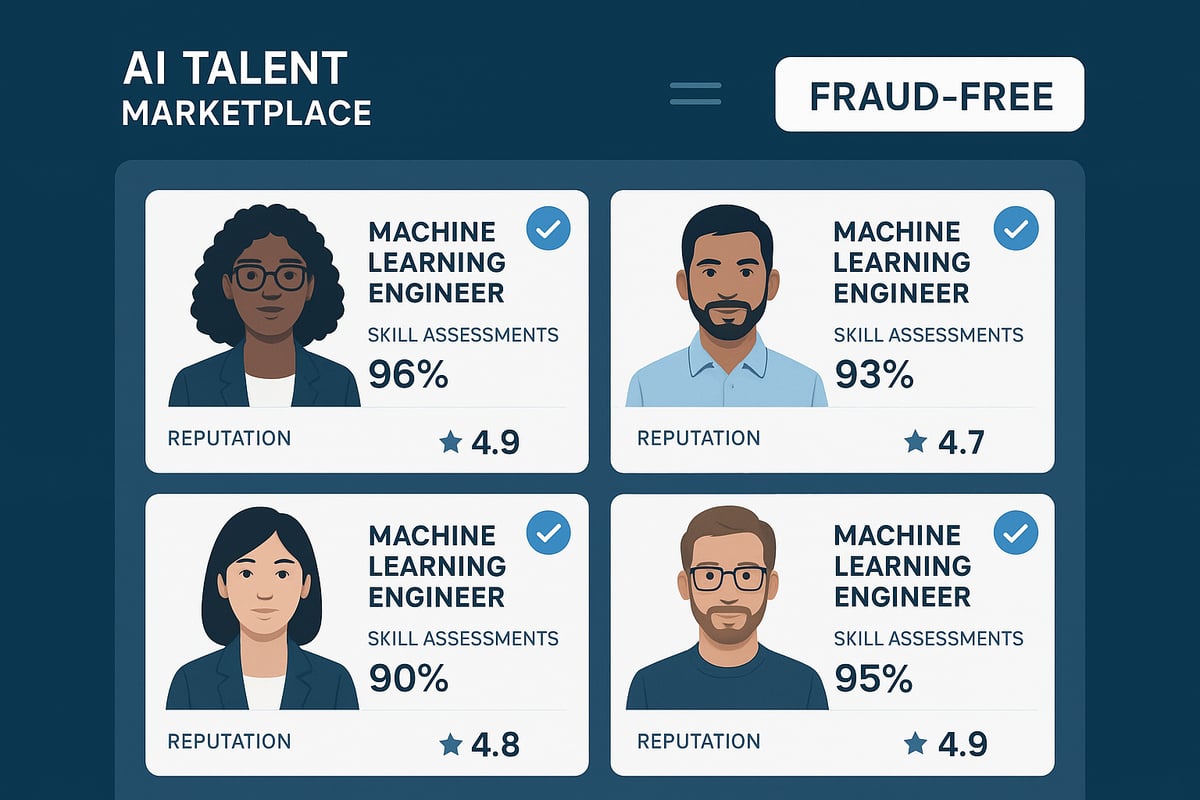
What sets verified marketplaces apart? These platforms combine advanced AI-driven screening with human verification. They assess technical competencies, check background information, and validate candidates' work eligibility. As a result, employers can confidently hire machine learning engineer professionals whose skills and experiences are proven.
A recent industry case shows that companies using fraud detection tools and multi-layered verification processes report up to 50 percent fewer hiring failures compared to those relying on standard channels. This significant reduction in risk highlights the value of leveraging platforms that specialize in thorough screening.
Below is a comparison of common features found in verified AI talent marketplaces:
| Feature | Verified Marketplaces | Traditional Platforms |
|---|---|---|
| AI-driven skill assessment | ✔️ | ❌ |
| Human background checks | ✔️ | ❌ |
| Work eligibility verified | ✔️ | ❌ |
| Reputation tracking | ✔️ | ❌ |
| Pre-vetted candidate pool | ✔️ | ❌ |
For example, the Verified AI talent platform offers employers access to a curated pool of pre-vetted machine learning and AI professionals. This approach streamlines the process to hire machine learning engineer talent and helps ensure compliance with local regulations.
In 2026, reputation-based hiring is on the rise. Companies are demanding greater accountability and transparency from both candidates and platforms. By prioritizing marketplaces that offer comprehensive verification, businesses can focus their time on interviewing only the most qualified, work-eligible candidates.
When you need to hire machine learning engineer expertise, using a trusted, fraud-free platform is not just a convenience, it is a competitive advantage. As AI recruitment trends evolve, staying ahead means adopting the most secure and efficient hiring solutions available.
Key Trends Shaping Machine Learning Hiring in 2026
The landscape to hire machine learning engineer talent in 2026 is rapidly evolving. Companies face a dynamic mix of new technologies, changing workforce expectations, and rising competition for top candidates. Understanding the latest trends is essential for organizations seeking to attract and retain the best talent in this competitive field.
Generative AI and Automation in Hiring
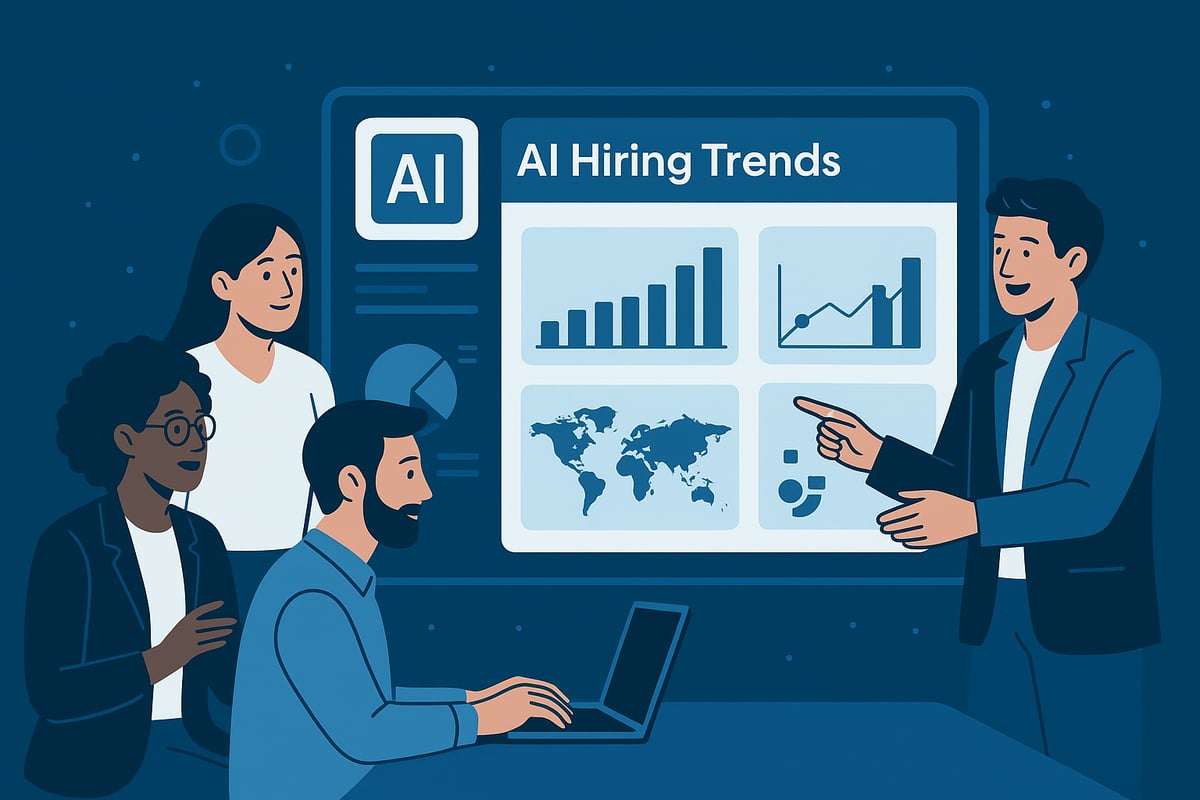
Generative AI is transforming how organizations hire machine learning engineer professionals. Automated tools now handle resume screening, skills assessments, and even candidate matching, significantly reducing time-to-hire. AI-driven platforms enable recruiters to identify top talent with greater accuracy and efficiency, streamlining the entire recruitment process.
Hybrid and Remote Work: The New Norm
The demand for hybrid and remote roles continues to shape hiring strategies. By 2026, most companies are expanding their search beyond local markets, tapping into global talent pools. This shift allows businesses to hire machine learning engineer candidates with specialized skills, regardless of location, and supports greater workforce flexibility.
Emphasis on Diversity, Equity, and Inclusion (DEI)
Building diverse AI teams is now a business imperative. Organizations prioritize inclusive job postings and unbiased screening methods to attract talent from varied backgrounds. This approach not only drives innovation but also ensures that machine learning solutions are ethical and representative.
Project-Based and Contract Hiring
Businesses increasingly opt for project-based and contract roles to fill specialized needs. This trend offers flexibility for both employers and engineers, supporting rapid scaling for AI initiatives and allowing companies to hire machine learning engineer experts for specific projects without long-term commitments.
Rise of AI-Powered Hiring Tools
The adoption of AI-powered recruitment platforms is accelerating. These tools reduce bias, enhance candidate matching, and speed up decision-making. According to AI recruitment trends and statistics in 2026, leading firms using AI-driven tools fill roles twice as fast as those relying on traditional methods.
Continuous Learning and Upskilling
With technologies and frameworks advancing quickly, continuous learning is critical. Companies seek candidates who prioritize professional development and adapt to new tools. Upskilling programs are now standard, ensuring teams remain competitive in a rapidly changing environment.
Increased Hiring Budgets and Talent Competition
Industry reports reveal that 80% of companies plan to boost their machine learning hiring budgets in 2026. However, even with expanded resources, the talent gap persists. As noted in AI talent pool growth and demand projections, the demand for skilled engineers far outpaces supply, intensifying competition.
Summary Table: Key Trends for 2026
| Trend | Business Impact |
|---|---|
| Generative AI Automation | Faster, more accurate hiring |
| Hybrid/Remote Roles | Access to global talent |
| DEI Initiatives | More innovative, ethical teams |
| Project-Based Hiring | Flexibility and scalability |
| AI Hiring Tools | Reduced bias, quicker placements |
| Continuous Learning | Future-proofed teams |
| Increased Hiring Budgets | Intense competition for top candidates |
To succeed as you hire machine learning engineer talent in 2026, staying ahead of these trends is vital. By leveraging technology, promoting inclusivity, and investing in skill development, your organization can secure the expertise needed for long-term AI success.
Now that you know the seven essential steps to hiring a top machine learning engineer in 2026, it's clear how crucial it is to work with only the most qualified and verified talent. Navigating skill verification and avoiding resume fraud can be daunting, but you don't have to do it alone. If you're ready to streamline your hiring process and connect with proven AI professionals, why not see how Augmnt can help? You can experience all the platform's features risk free—simply Start Free Trial and take the first step toward building your dream AI team.