7 Smart Ways to Detect Employee Fraud in 2026
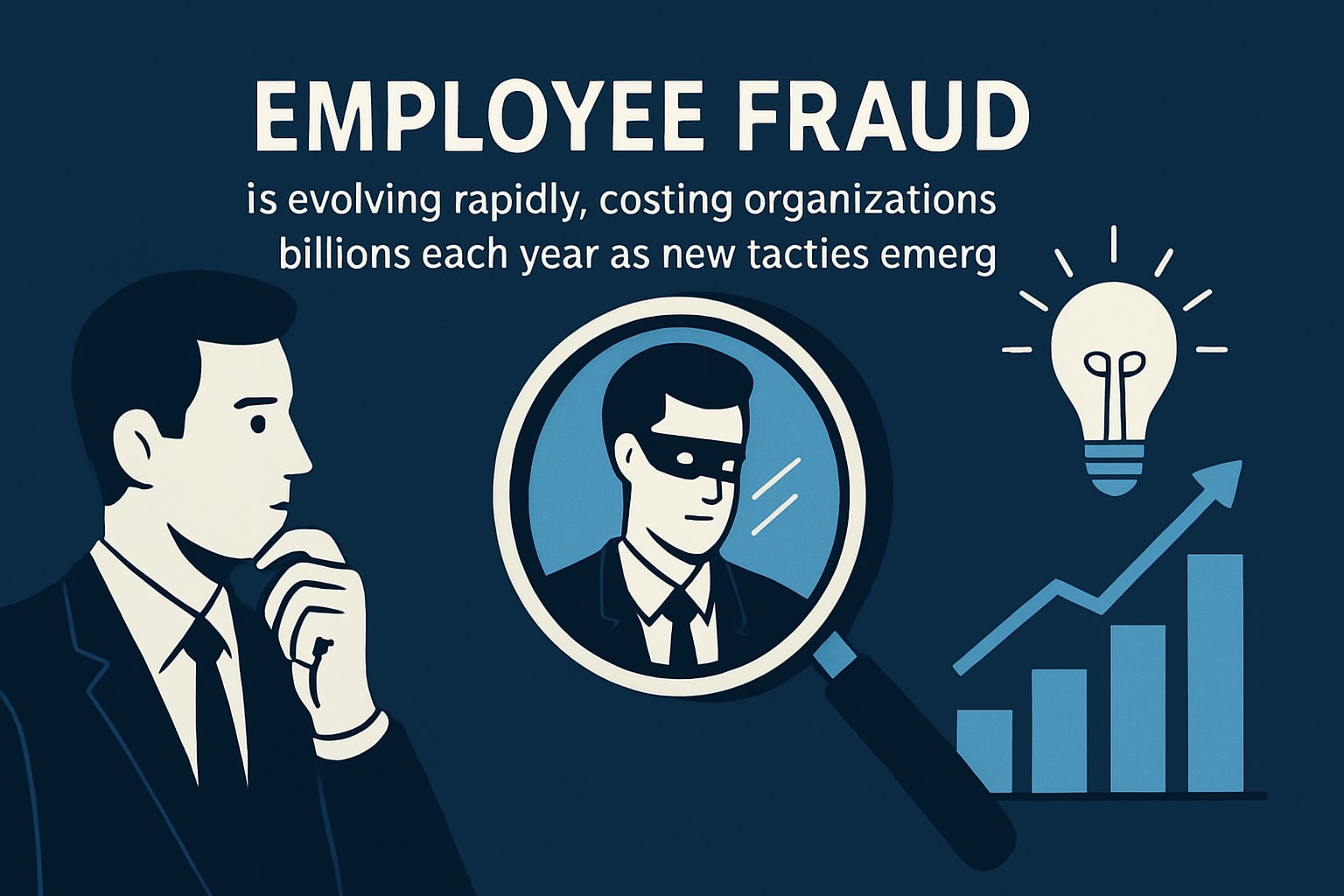
Employee fraud is evolving at a pace never seen before, costing businesses billions each year as new schemes surface and old tactics adapt to modern workplaces.
In 2026, organizations face a more complex threat landscape, where employee fraud risks are amplified by remote work, digital transformation, and sophisticated technology.
This article uncovers seven smart, actionable ways to detect employee fraud using advanced analytics, AI tools, and proven strategies. Discover practical steps you can take to protect your business and build a culture of vigilance starting today.
The Growing Threat of Employee Fraud in 2026
Employee fraud is evolving at a rapid pace in 2026. New digital tools and changing work environments are making it easier for internal threats to slip past traditional defenses. Organizations face a higher risk than ever, as employee fraud adapts to the latest workplace trends and technologies.
Hybrid and remote work models are now the norm for many businesses. While these arrangements offer flexibility, they also open new doors for employee fraud. Employees working from home may have less oversight, creating opportunities for unauthorized actions or data access. As a result, companies must remain vigilant and adapt their detection strategies to these modern workflows.
A recent statistic reveals the scale of the issue: 3 out of 4 employees admit to workplace theft at least once, according to Teramind. This highlights how common employee fraud has become, affecting businesses of all sizes. From petty theft to large-scale embezzlement, the risk is widespread and growing.
Types of Employee Fraud
| Type | Description |
|---|---|
| Asset Misappropriation | Theft of cash or company property |
| Expense Fraud | Inflating or falsifying reimbursement claims |
| Payroll Fraud | Manipulating employee compensation |
| Data Theft | Stealing sensitive company information |
| Embezzlement | Diverting funds for personal gain |
Digital transformation and automation are bringing both benefits and vulnerabilities. Automated systems can streamline operations, but they may also create blind spots that employee fraudsters exploit. Weaknesses in software permissions, lack of segregation of duties, and insufficient monitoring can all lead to undetected fraud.
The financial impact of employee fraud is staggering. Small businesses often suffer disproportionately, sometimes losing a significant portion of revenue before fraud is discovered. Larger organizations may face multi-million dollar losses, reputational harm, and regulatory scrutiny.
Recent years have seen several high-profile cases where employee fraud went undetected for months or even years. These incidents underscore the urgent need for proactive detection and not just reactive responses. Organizations that rely solely on after-the-fact investigations risk greater losses and long-term damage.
To stay ahead of these evolving threats, businesses must understand the latest risks and adopt advanced detection methods. For a deeper look at new trends and solutions shaping 2026, see these 2026 fraud trends and insights. Proactive strategies and modern technology are essential to reduce the risk and impact of employee fraud.

7 Smart Ways to Detect Employee Fraud in 2026
Employee fraud is becoming more sophisticated each year, putting organizations of every size at greater risk. As we move into 2026, a multi-layered approach is essential to identify and prevent employee fraud before it causes significant damage. Below are seven advanced yet practical strategies that every business should consider implementing.
1. Leverage AI-Powered Data Analytics
Artificial intelligence is transforming how companies detect employee fraud. By analyzing massive amounts of transactional data, AI and machine learning models can flag subtle anomalies that would escape manual review.
AI-powered systems monitor financial records, expense claims, and payroll data in real time. They highlight suspicious behavior like duplicate payments, inflated expenses, or unauthorized access. For example, in a recent case, AI algorithms detected an embezzlement scheme by identifying repeated, irregular transfer patterns invisible to traditional audits.
The integration of AI with ERP and HR systems streamlines detection and minimizes human error. This technology not only accelerates the identification of employee fraud but also reduces false positives and manual workload. According to recent AI-powered fraud detection statistics 2026, over 60 percent of large enterprises will use AI for fraud detection by 2026.
Here is a quick comparison of traditional vs. AI-powered fraud detection:
| Feature | Traditional Methods | AI-Powered Analytics |
|---|---|---|
| Speed | Slow | Real-time |
| Accuracy | Moderate | High |
| Scalability | Limited | Extensive |
| False Positives | Frequent | Reduced |
| Integration | Manual | Automated |
Employing AI ensures that employee fraud is caught early, protecting both finances and reputation.
2. Implement Robust Internal Controls and Segregation of Duties
Establishing strong internal controls is a cornerstone of employee fraud prevention. Clear policies and procedures for financial operations set expectations and limit opportunities for misuse.
Segregation of duties is critical. No single person should control every stage of a financial process. For example, separating payroll entry from approval ensures that one employee cannot manipulate records for personal gain.
Regular account reconciliations and surprise audits further reduce the risk of employee fraud. Multi-factor authentication for sensitive transactions adds another layer of security, making unauthorized actions more difficult.
Consider this scenario: A company prevents payroll fraud by assigning payroll data entry to one employee and approvals to another, supported by automated checks. This division creates accountability and makes collusion more difficult.
Internal controls like these not only deter employee fraud but also help organizations comply with regulatory requirements. By systematically reviewing and updating these controls, companies can adapt to emerging risks and maintain a strong defense.
3. Monitor Employee Behavior and Lifestyle Changes
Behavioral monitoring is a powerful tool in the fight against employee fraud. Unusual changes in an employee’s lifestyle, such as sudden spending sprees or reluctance to take vacations, can signal underlying issues.
Modern behavioral analytics platforms analyze patterns like working odd hours or accessing sensitive files outside standard procedures. These tools compare performance and trend reports to uncover discrepancies that may indicate fraud.
Managers play a crucial role. Training them to recognize red flags—such as unexplained variances in expense reports or a sudden drop in performance—can lead to early intervention. The Association of Certified Fraud Examiners (ACFE) consistently finds that behavioral changes are among the top indicators of employee fraud.
In one real-world case, an employee’s lavish purchases and frequent overtime triggered a review. Investigators found manipulated expense reports and unauthorized reimbursements. Early detection like this minimizes losses and preserves company morale.
4. Establish Anonymous Whistleblower and Reporting Programs
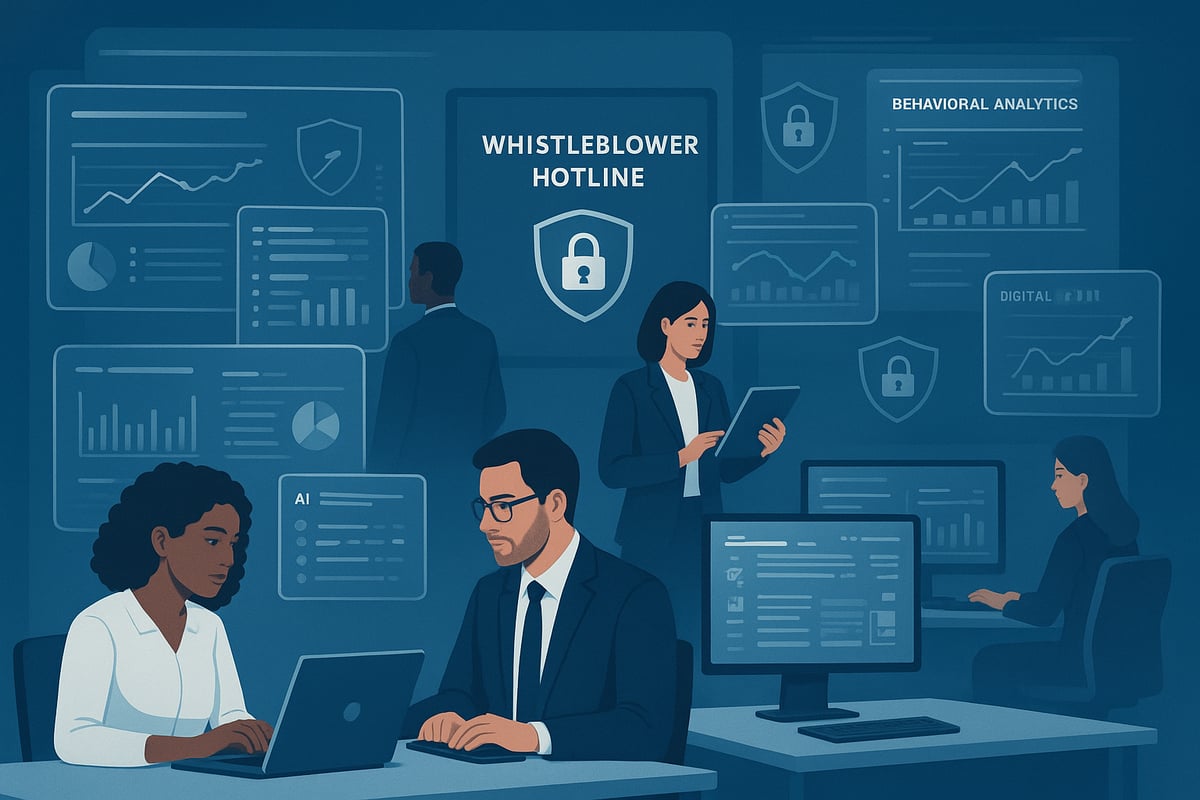
Encouraging employees to speak up is essential to uncovering employee fraud. Anonymous whistleblower programs give staff a safe way to report suspicious activity without fear of retaliation.
Setting up secure hotlines and digital reporting platforms ensures confidentiality and builds trust. Organizations that actively promote transparency and accountability see faster detection rates. In fact, companies with hotlines detect employee fraud 50 percent faster according to ACFE research.
A major fraud case was recently uncovered when an anonymous tip-off led to a thorough internal investigation. The outcome not only saved the company millions but also reinforced the importance of a strong reporting culture.
For whistleblower initiatives to be effective, follow-up is crucial. Employees must see that their reports are taken seriously and that whistleblowers are protected from negative consequences. This fosters a culture where everyone feels responsible for preventing employee fraud.
5. Conduct Regular and Surprise Audits
Routine and unannounced audits are among the most effective deterrents against employee fraud. By regularly reviewing high-risk areas—including cash handling, procurement, and reimbursements—organizations can spot irregularities early.
Forensic accounting techniques help auditors detect subtle fraud schemes that evade standard checks. Audits often reveal long-standing fraudulent activities that have gone unnoticed for years.
One notable example is the discovery of ghost employees during a payroll audit. These fake entries were siphoning funds until auditors cross-referenced payroll data with HR records.
Benefits of regular and surprise audits include increased accountability, early detection, and enhanced trust in company processes. When employees know that audits are part of the company culture, the likelihood of employee fraud decreases significantly.
6. Utilize Advanced Cybersecurity and Access Controls
With sensitive data moving online, robust cybersecurity is vital in defending against employee fraud. Limiting access to critical systems based on roles ensures that employees only see what they need to perform their jobs.
Continuous monitoring of user activity, file transfers, and downloads helps spot unusual behavior. Automated alerts trigger when unauthorized access attempts or data exfiltration are detected. Regular password updates and two-factor authentication further strengthen security.
For example, Data Loss Prevention (DLP) tools can prevent intellectual property theft by blocking unauthorized file transfers. Coordinating cybersecurity measures with HR and IT departments is essential, especially during employee offboarding, to revoke access promptly and avoid lingering vulnerabilities.
Strong cybersecurity not only protects against external threats but also addresses the internal risks of employee fraud.
7. Train and Educate Employees on Fraud Awareness
Building awareness is the foundation of any anti-fraud program. Comprehensive training ensures that every employee understands what employee fraud looks like and how to respond.
Scenario-based learning and real-world examples make the training relatable and memorable. Employees are taught how to spot and report suspicious activities, reinforcing their role as the first line of defense.
Ongoing updates to training materials are necessary, as fraud tactics constantly evolve. Companies with regular training programs see 40 percent less fraud loss, according to ACFE statistics.
A culture of vigilance and shared responsibility empowers everyone to act against employee fraud. Recognizing and rewarding integrity further strengthens this culture, making prevention a collective effort.
Key Technologies Shaping Fraud Detection in 2026
Rapid advances in technology are transforming how organizations detect and prevent employee fraud. As threats become more sophisticated, companies are investing in tools that deliver speed, accuracy, and adaptability. According to recent employee fraud detection market growth research, demand for these solutions is set to surge in 2026, making cutting-edge innovation a necessity for staying secure.
AI and Machine Learning Solutions
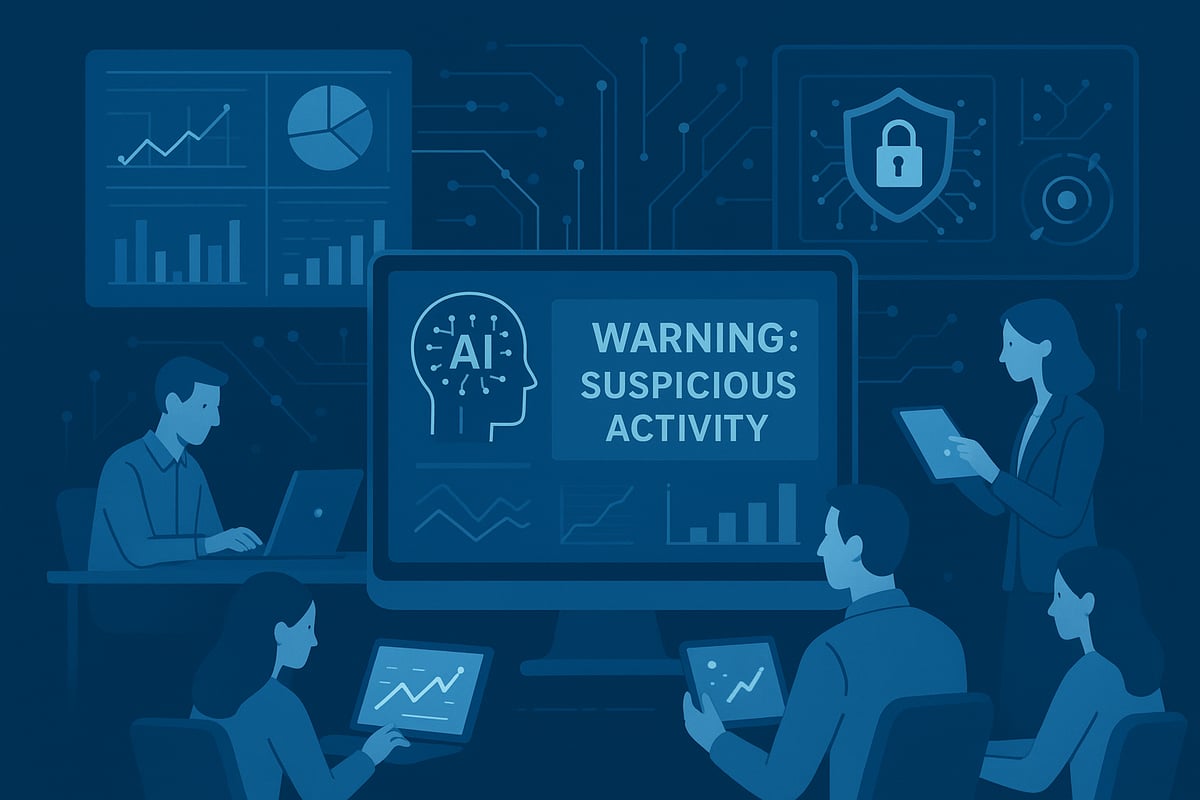
Artificial intelligence and machine learning are at the forefront of employee fraud detection in 2026. These systems analyze vast amounts of data in real time, uncovering hidden patterns that would escape manual review. For example, AI can flag duplicate invoices, unusual payroll entries, or suspicious access attempts. By learning from historical fraud cases, machine learning models continuously improve their accuracy.
Key benefits include speed, scalability, and the ability to detect complex schemes. Integration with ERP and HR platforms enables seamless monitoring of financial transactions and employee activities. Organizations can set custom thresholds and automate alerts, reducing the burden on internal teams.
AI-driven solutions also minimize false positives, allowing investigators to focus on genuine threats. As employee fraud tactics evolve, these technologies adapt, providing a critical line of defense for companies determined to safeguard their assets.
Behavioral Analytics Platforms
Behavioral analytics platforms offer a powerful approach to employee fraud detection by monitoring how users interact with systems and data. These tools build profiles of typical employee behavior, such as login times, access patterns, and transaction frequency. When deviations occur, the platform triggers alerts for further investigation.
Common signals include accessing sensitive files at odd hours, excessive data downloads, or irregular expense claims. Behavioral analytics can link lifestyle changes, like sudden increases in spending, with potential fraud risk. Integration with HR and performance management systems enables a holistic view of employee conduct.
Benefits of these platforms include early warning capabilities and the ability to identify insider threats before financial losses occur. By combining behavioral insights with traditional controls, organizations create a proactive detection environment that addresses both known and unknown fraud tactics.
Secure Reporting and Audit Tools
Secure reporting and audit tools are essential for comprehensive employee fraud prevention. Digital whistleblowing platforms allow employees to report suspicious activity anonymously, fostering a culture of transparency and accountability. These tools ensure that tips are handled confidentially and efficiently.
Advanced audit trail software tracks every system change and transaction, making it easier to conduct forensic investigations. Automated audit logs help identify unauthorized actions, such as ghost employee creation or data manipulation. Compliance with data privacy regulations is built into these solutions, protecting both the organization and the whistleblower.
By leveraging secure reporting and thorough auditing, companies can detect employee fraud early, improve process integrity, and build trust across the workforce. These technologies, combined with AI and behavioral analytics, form a robust defense against modern fraud schemes.
Industry-Specific Considerations for Employee Fraud Detection
Addressing employee fraud effectively requires understanding that each industry faces unique risks, regulations, and operational realities. Businesses in finance, healthcare, retail, and technology encounter different types of employee fraud, making a one-size-fits-all approach ineffective.

Financial Services: High Stakes and Tight Controls
The finance sector faces constant threats from employee fraud, including embezzlement, unauthorized transactions, and data manipulation. Strict regulations like SOX require rigorous controls, detailed reporting, and advanced monitoring.
AI-powered analytics are transforming how financial institutions detect suspicious behavior. As highlighted in the AI in financial fraud prevention case study, organizations are leveraging machine learning to flag anomalies and reduce manual review time. This approach not only increases detection speed but also helps institutions meet compliance demands.
Healthcare: Protecting Data and Billing Integrity
Healthcare organizations are especially vulnerable to billing fraud, phantom procedures, and data theft. HIPAA mandates strict data privacy, so employee fraud detection must include monitoring access to patient records and scrutinizing billing patterns.
Automated audit trails and role-based access controls reduce the risk of unauthorized activity. Regular staff training on compliance and ethical billing is also essential for maintaining integrity.
Retail: Inventory and Point-of-Sale Fraud
Retailers struggle with inventory theft, fake returns, and manipulation of sales records. High transaction volumes and seasonal staff can mask employee fraud.
Effective detection relies on real-time inventory tracking, surprise audits, and robust POS monitoring. Segregating duties between inventory management and sales approval further minimizes risk.
Technology: Intellectual Property and Data Security
Technology companies face threats from insider data theft, unauthorized code access, and intellectual property leaks. Employee fraud here can have long-term reputational and financial consequences.
Implementing advanced cybersecurity measures, like DLP tools and user activity monitoring, helps protect valuable assets. Aligning detection methods with industry best practices supports compliance and resilience.
| Sector | Common Employee Fraud | Key Compliance Focus |
|---|---|---|
| Finance | Embezzlement, data manipulation | SOX, advanced analytics |
| Healthcare | Billing fraud, data theft | HIPAA, audit trails |
| Retail | Inventory theft, POS schemes | Loss prevention, surprise audits |
| Technology | Data/IP theft, access abuse | Cybersecurity, DLP |
Adopting industry-specific employee fraud detection strategies ensures that businesses address their most relevant risks while staying compliant. Leveraging sector benchmarks and proven best practices strengthens defenses and builds organizational trust.
Building a Proactive Anti-Fraud Culture
Creating a proactive anti-fraud culture is essential for any organization aiming to prevent employee fraud. Leadership sets the foundation, but every team member plays a role in building trust and accountability.
Strong leadership is crucial. Executives and managers must demonstrate unwavering commitment to ethical standards. When leaders model transparency, employees are more likely to follow suit. This tone at the top signals that employee fraud will not be tolerated at any level.
Clear communication channels make a significant difference. Employees should know exactly how to report suspicious activities without fear. Establishing open reporting lines and regularly reminding staff about them fosters confidence and encourages vigilance.
Recognizing and rewarding ethical behavior reinforces positive conduct. Publicly acknowledging employees who act with integrity motivates others to do the same. Even small incentives can help shape the workplace culture.
Continuous improvement is key. Regularly review and update anti-fraud policies to keep pace with evolving threats. Solicit feedback from staff and adapt procedures based on real-world challenges. By staying proactive, organizations reduce the risk of employee fraud and build lasting trust.
Empowering employees to speak up and participate in fraud prevention efforts strengthens the entire organization. When everyone feels responsible for protecting company values, the risk of employee fraud decreases, and the business thrives.
As we’ve explored, detecting employee fraud in 2026 means being proactive, leveraging AI-powered analytics, and building a culture of trust and vigilance. If you’re ready to take the next step and see how intelligent candidate verification can help protect your business from fraud at the source, I invite you to see Augmnt in action. You can experience how AI-driven vetting and fraud detection work seamlessly within your hiring process by requesting a live demonstration. Let’s work together to secure your team and stay ahead of evolving threats—Request a Demo.