Candidate Fraud Detection Guide: Your 2026 Success Manual
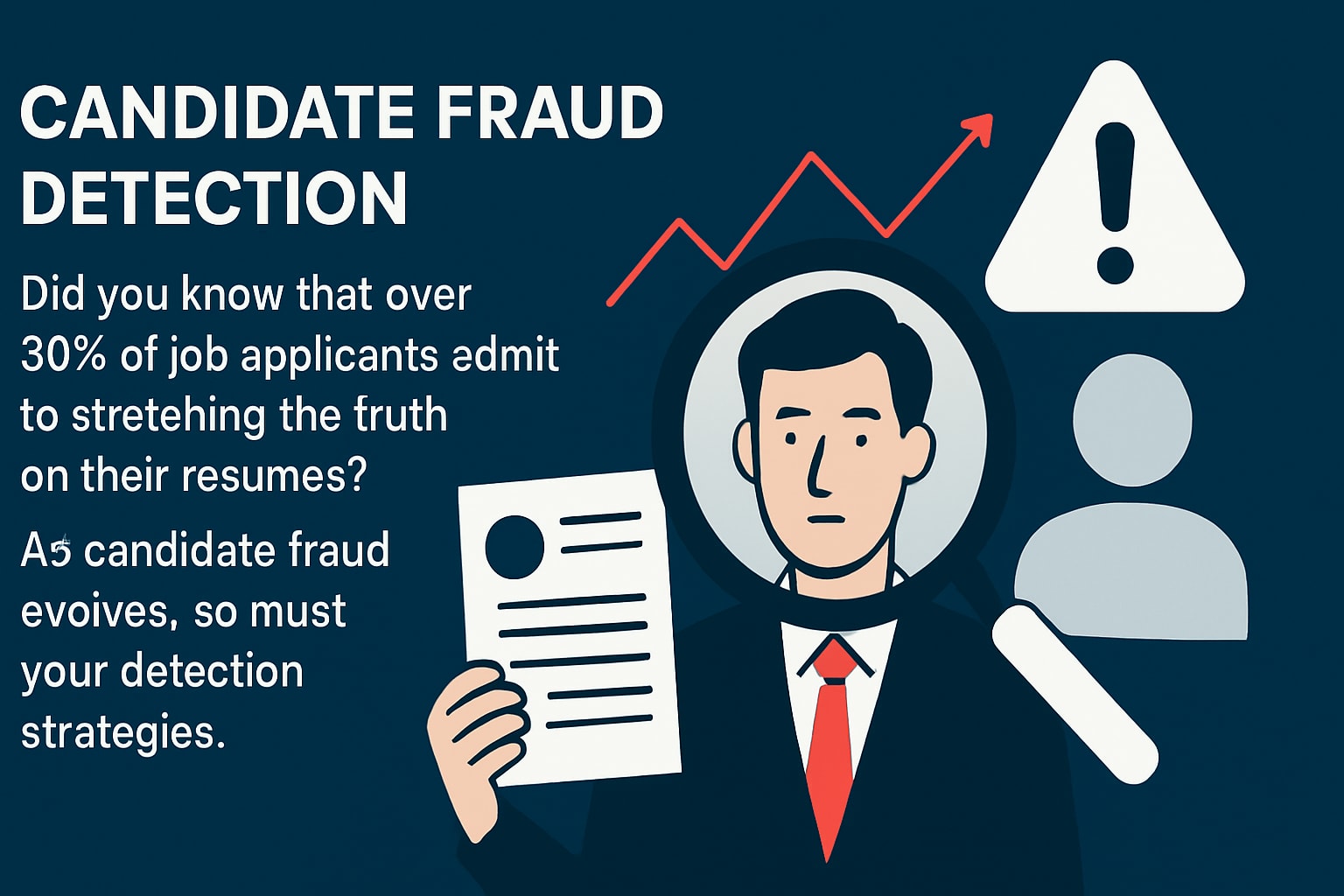
Did you know that over 30% of job applicants admit to stretching the truth on their resumes? With digital hiring accelerating and deception tactics becoming more advanced, candidate fraud detection is now a top concern for every hiring professional. This guide gives you the latest, actionable solutions to safeguard your organization in 2026. You will learn about the evolving types of fraud, why incidents are increasing, cutting-edge detection methods, step-by-step prevention workflows, real-world examples, and essential tools to stay ahead. Ready to build a robust hiring process? Let’s get started.
Understanding Candidate Fraud in 2026
As hiring landscapes shift in 2026, candidate fraud detection is no longer a luxury but a necessity. Modern fraud tactics are more sophisticated, putting organizations of every size at risk. To build a resilient hiring process, it is essential to understand the evolving types, causes, costs, and regulatory drivers behind candidate fraud detection.
Types of Candidate Fraud
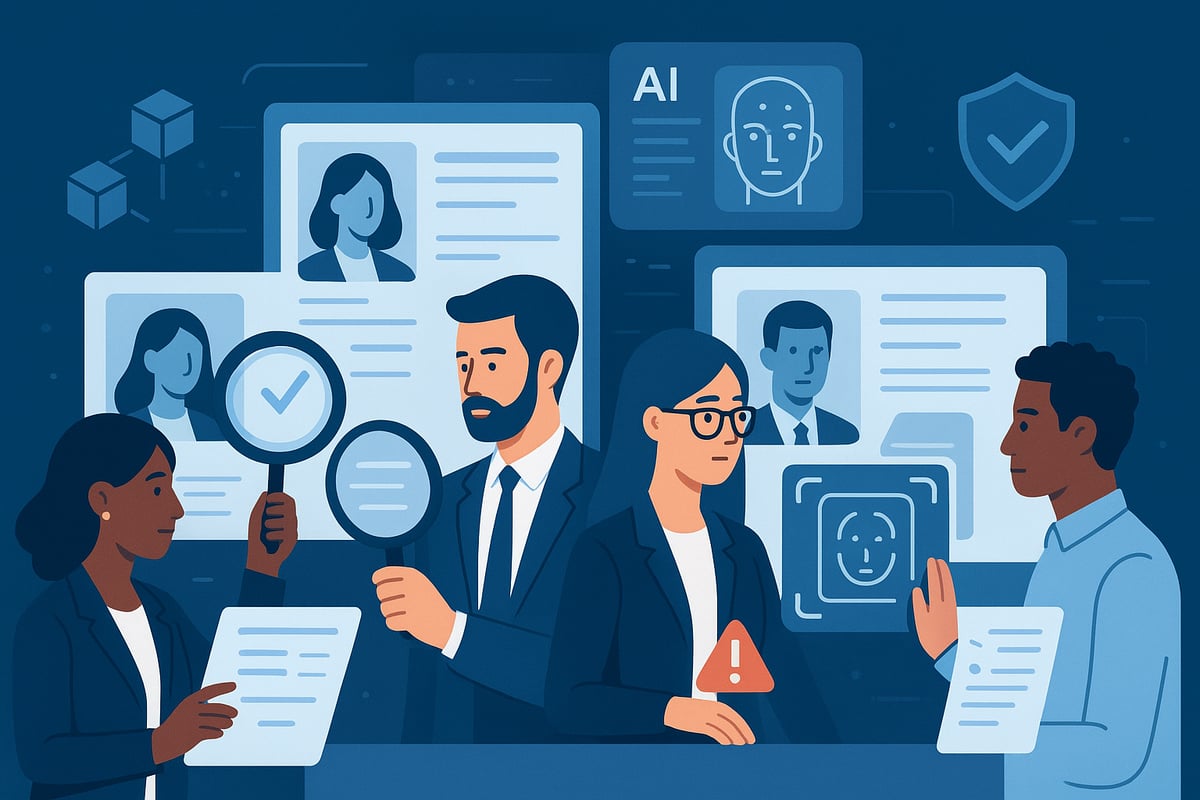
Candidate fraud detection starts with recognizing how deception occurs. Common types include resume fabrication, where applicants list fake degrees or inflated job titles. Skill exaggeration and falsified certifications are also prevalent, as some candidates claim expertise they do not possess.
Identity fraud and impersonation have increased, with some individuals even using bait-and-switch tactics in technical roles. Reference and employment history manipulation is another growing concern. For example, a 2024 LinkedIn report found 12% of tech resumes contained unverifiable claims, highlighting the critical need for robust candidate fraud detection.
The impact on businesses is significant. Costly mis-hires, security vulnerabilities, and productivity losses can all result from undetected fraud.
Why Candidate Fraud Is Rising
Several forces are fueling the increase in candidate fraud detection challenges. Remote and global hiring make it harder to verify information across borders. The rise of diploma mills and fake credential services gives candidates easy access to fraudulent qualifications.
Sophisticated AI-driven deception tools, including deepfakes, now enable impersonation during interviews. Pressure to stand out in a competitive job market can push applicants to misrepresent themselves. According to a recent 41% of enterprises report hiring fraudulent candidates survey, nearly half of organizations have onboarded candidates who used fraudulent tactics, making candidate fraud detection a top priority for talent acquisition teams.
The Cost of Candidate Fraud
The financial stakes of poor candidate fraud detection are high. Organizations face average losses of $15,000 per bad hire, according to SHRM’s 2023 report. Beyond direct costs, teams experience time and productivity setbacks as they replace or retrain mis-hires.
Legal and compliance risks, such as negligent hiring lawsuits, can further escalate expenses. Reputational damage may occur if fraud becomes public. High-profile cases in tech and finance illustrate how a single fraudulent hire can disrupt entire departments and erode trust.
Who Is at Risk?
Candidate fraud detection is vital for startups and SMEs with limited HR resources, as they often lack robust vetting systems. Fast-growing tech companies scaling quickly can overlook verification steps in the rush to hire.
Remote-first organizations are especially vulnerable, given the challenges of verifying candidates at a distance. Industries with high demand for specialized skills, such as AI, cybersecurity, and healthcare, report increased candidate fraud detection concerns due to talent shortages and high stakes.
Regulatory and Compliance Trends
Regulatory shifts are shaping candidate fraud detection strategies. New data privacy laws in the U.S., Canada, and the EU affect how background checks are conducted, requiring compliance with evolving standards.
Organizations must balance thorough candidate fraud detection with privacy rights, often turning to third-party verification providers for support. For instance, 2025 U.S. regulations on AI-driven hiring practices are changing how companies approach fraud screening, making compliance and up-to-date processes essential for every HR team.
Step-by-Step Guide to Candidate Fraud Detection
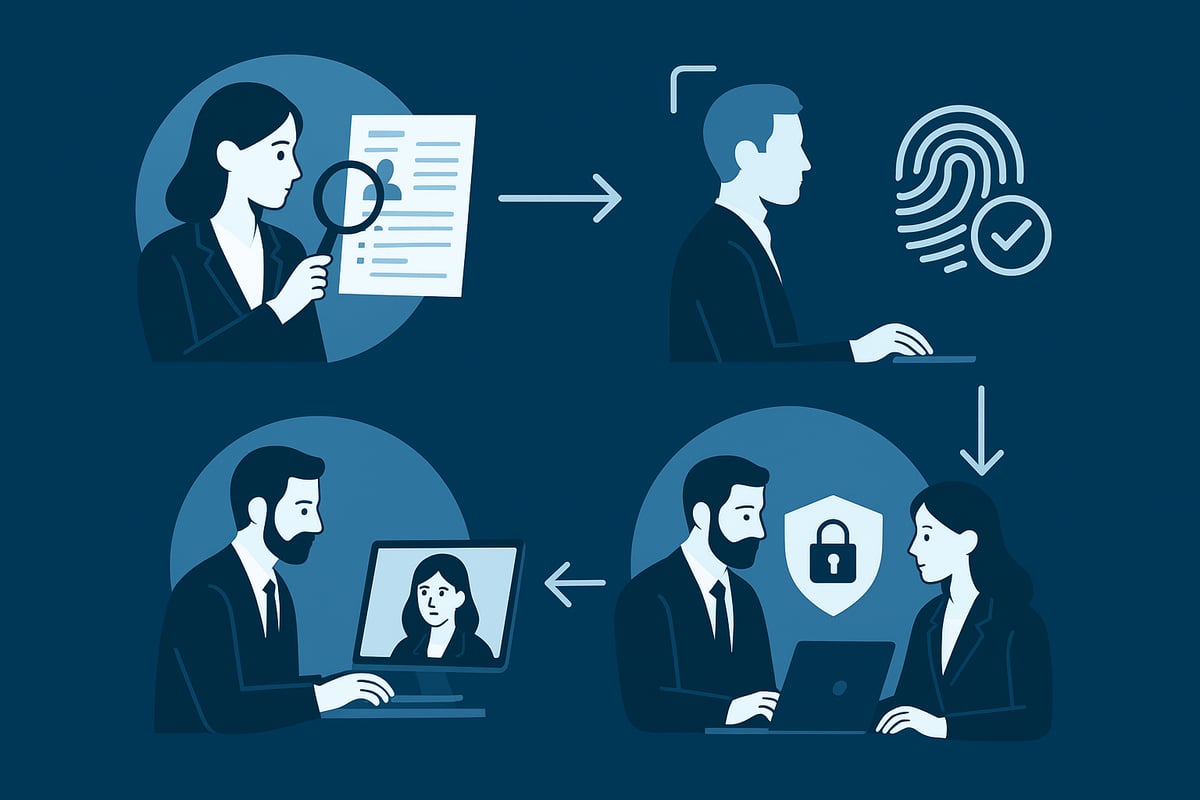
Detecting fraud requires a systematic, multi-layered approach. Each stage in your hiring process offers an opportunity to uncover red flags, validate authenticity, and protect your organization from costly mis-hires. Let’s break down each step for robust candidate fraud detection.
Step 1: Pre-Screening and Red Flag Identification
The first line of defense in candidate fraud detection is a thorough pre-screening process. Automated resume parsing tools scan for inconsistencies, such as overlapping job dates or unverifiable employers. Keyword and pattern analysis help spot suspicious claims, like inflated job titles or skills that don’t match experience levels.
AI-driven anomaly detection further enhances candidate fraud detection by flagging employment gaps or questionable credentials. According to the Statista report on job seekers encountering fraud, nearly 30% of job seekers have encountered fraudulent job postings, highlighting the urgent need for vigilance in early screening.
Red flags to watch for:
- Inconsistent work histories
- Unverifiable companies or educational institutions
- Skills that seem too advanced for the candidate's background
Step 2: Digital Identity Verification
Modern candidate fraud detection relies on robust digital identity checks. Multi-factor authentication, including SMS or email confirmation, adds a layer of security. Biometric verification, such as facial recognition, helps ensure the person you interview matches their ID.
Cross-referencing government-issued documents with candidate-submitted information is essential. IP location tracking and device fingerprinting can uncover attempts at identity swapping, especially in remote settings. These steps make it difficult for imposters to bypass your screening process.
By integrating digital identity checks, organizations strengthen candidate fraud detection at the earliest stages of hiring.
Step 3: Credential and Experience Validation
Validating educational and professional credentials is critical for effective candidate fraud detection. Directly contacting universities and certifying bodies helps confirm degrees and certifications. Blockchain-based credential platforms are becoming popular for tamper-proof verification.
Employers should also reach out to previous companies for reference checks, rather than relying solely on candidate-provided contacts. This step can reveal diploma mill degrees or fictitious job titles. Thorough credential validation protects your organization from misrepresentation and legal risk.
A table can help summarize best practices:
| Method | Benefit |
|---|---|
| Direct verification | Confirms authenticity |
| Blockchain credential checks | Prevents tampering |
| Employer reference checks | Detects fabricated experience |
Step 4: Skill and Competency Assessment
To ensure claims match reality, candidate fraud detection must include thorough skills testing. Live technical assessments, such as coding tests or design challenges, provide real insight into a candidate’s abilities.
AI-proctored exams discourage cheating by monitoring behavior in real time. Incorporating case studies or real-world problem-solving tasks helps spot candidates using proxy interviewers. These steps make it harder for individuals to misrepresent their skills.
By embedding these assessments in your hiring process, candidate fraud detection becomes proactive, not reactive.
Step 5: Behavioral and Reference Checks
Behavioral interviews uncover inconsistencies in a candidate’s story. Structured questions about past experiences help reveal gaps or contradictions. Deep reference checks with multiple contacts, not just those the candidate provides, offer a clearer picture of past performance.
Social media and digital footprint analysis can provide additional context. Discrepancies between online profiles and submitted resumes are often early signs needing further candidate fraud detection.
A consistent approach to behavioral and reference checks supports a more reliable hiring process.
Step 6: Ongoing Monitoring and Post-Hire Audits
Candidate fraud detection should not stop after hiring. Periodic re-verification of credentials and monitoring for performance anomalies are essential. Anonymous reporting channels empower team members to flag suspicious behavior.
Post-hire audits sometimes uncover fraudulent credentials missed in initial checks. These audits help maintain a culture of integrity and reduce risk over time.
By making ongoing monitoring part of your routine, candidate fraud detection becomes an embedded, continuous process.
Integrating Fraud Detection into Your Hiring Workflow
To maximize protection, candidate fraud detection must be woven into every stage of your recruitment workflow. Embed verification steps from initial screening to onboarding. Train recruiters and hiring managers to spot red flags and respond appropriately.
Leverage applicant tracking systems (ATS) equipped with fraud detection modules. These tools automate checks and maintain consistency across teams. A clear workflow diagram can help visualize each step and ensure no part of the process is overlooked.
Ultimately, integrating these measures creates a secure, efficient, and future-proof approach to candidate fraud detection.
The Role of Technology in Candidate Fraud Detection
Technology sits at the heart of modern candidate fraud detection. In 2026, organizations rely on a blend of advanced AI, secure digital platforms, and human oversight to outpace ever-evolving fraud tactics. Let’s explore how these innovations are transforming the hiring landscape.
AI and Machine Learning Solutions
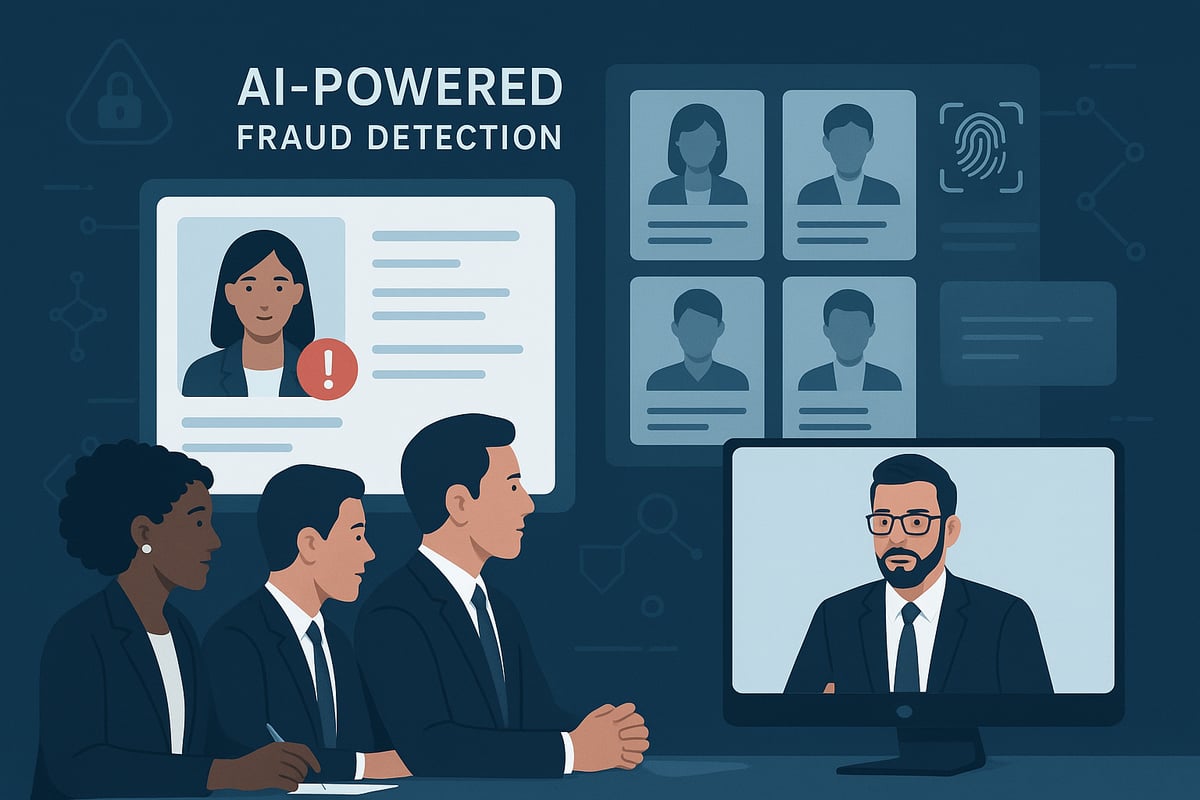
AI has revolutionized candidate fraud detection by automating pattern recognition and risk analysis. Machine learning algorithms scan resumes for inconsistencies, identify suspicious employment gaps, and flag falsified credentials. Natural language processing tools analyze cover letters and interview transcripts for signs of deception.
Yet, trust in these systems is still building. According to a Gartner survey on AI trust in hiring, only 26% of applicants believe AI will evaluate them fairly. This highlights the need for transparent, explainable AI in candidate fraud detection.
Organizations benefit from predictive analytics, which help HR teams prioritize high-risk profiles and streamline the screening process. AI does not replace human judgment but acts as a powerful ally in the fight against fraud.
Digital Verification Platforms
Digital verification platforms have become essential tools for candidate fraud detection. These platforms cross-verify education, certifications, and employment history directly with issuing institutions. Blockchain technology is increasingly used to create tamper-proof digital credentials, ensuring authenticity at every stage.
Integration with applicant tracking systems (ATS) allows real-time alerts when discrepancies appear. Leading platforms offer seamless workflows for HR teams, reducing manual effort and lowering the risk of oversight. By embedding these tools into the hiring process, organizations can quickly authenticate candidate claims and minimize exposure to fraud.
Video Interviewing and Deepfake Detection
Video interviewing is now standard in remote hiring, but it introduces new candidate fraud detection challenges. Deepfake technology can allow imposters to mimic legitimate candidates. To counter this, advanced video platforms use liveness checks, facial recognition, and voice biometrics to verify identities in real time.
Deepfake detection algorithms screen for manipulated video or audio signals, helping recruiters spot inauthentic interviews. In 2024, several tech companies reported cases of deepfake interview scams, underscoring the need for robust controls. Combining these tools ensures that only genuine candidates proceed in the hiring funnel.
Data Privacy and Security Considerations
Handling candidate data securely is a core principle of candidate fraud detection. Organizations must comply with regulations like GDPR and CCPA, protecting sensitive information throughout the verification process. Encryption, access controls, and secure storage are vital to prevent data breaches.
Balancing thorough screening with respect for privacy rights is challenging. Mishandling candidate data can result in legal penalties and reputational harm. Regular audits and transparent communication with applicants help organizations maintain trust and meet compliance standards.
Human Oversight and Hybrid Approaches
While technology drives efficiency, human oversight remains critical to candidate fraud detection. HR professionals review flagged applications, investigate anomalies, and make final hiring decisions. Hybrid approaches, combining AI tools with expert judgment, reduce false positives and ensure fair assessments.
Ongoing training helps teams stay updated on fraud trends and detection tactics. By fostering collaboration between technology and human expertise, organizations build resilient, adaptable hiring processes. The most successful candidate fraud detection strategies blend automation with a human touch.
Real-World Examples and Case Studies
Candidate fraud detection is most effective when grounded in real-world experience. By studying notable cases, industry challenges, and lessons learned, organizations can refine their candidate fraud detection strategies and reduce risk.
High-Profile Candidate Fraud Cases
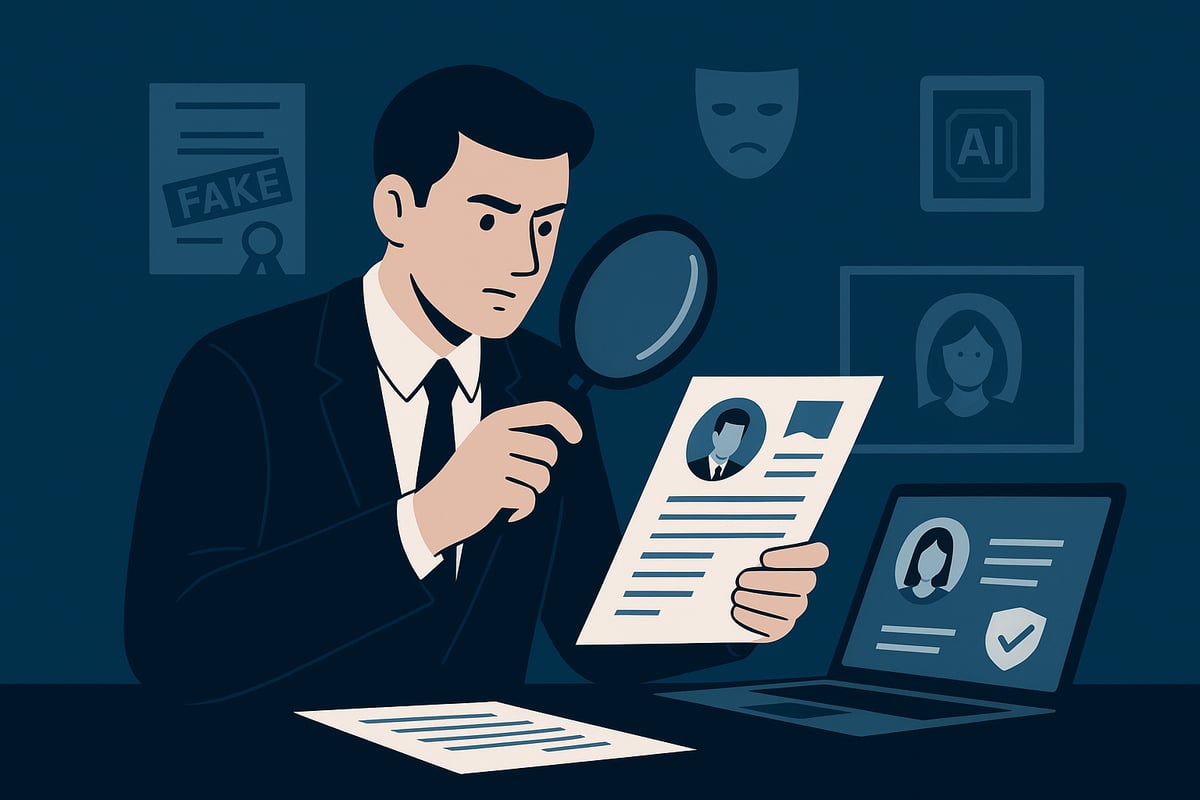
In recent years, candidate fraud detection has become critical due to several high-profile cases. For example, in 2024, a Silicon Valley tech firm hired an AI engineer who fabricated both academic and work credentials. The fraud was uncovered only after a major project failed, costing the company millions.
Other well-publicized incidents include healthcare professionals with fake licenses and finance executives who exaggerated their experience. These cases highlight how gaps in candidate fraud detection can lead to reputational harm and financial losses.
Learning from such events, companies now prioritize robust verification at every stage of hiring.
Industry-Specific Challenges and Solutions
Every sector faces unique candidate fraud detection challenges. In AI and cybersecurity, candidates may use deepfake technology to impersonate experts during remote interviews. Healthcare organizations contend with forged medical licenses and credential mills.
To address these threats, many companies leverage AI tools and digital verification platforms. For instance, Copyleaks expands AI detection to images, allowing recruiters to spot manipulated images and documents, a growing concern in regulated industries.
Tailored solutions and continuous adaptation help organizations stay ahead of evolving fraud tactics.
Success Stories: Companies That Stopped Fraud Early
Some organizations have successfully implemented candidate fraud detection systems, yielding significant benefits. A mid-sized tech company, for example, integrated multi-layered background checks and live skill assessments into their hiring workflow.
As a result, they detected and prevented two fraudulent applicants from being hired in a single quarter. The company reported improved team performance and a faster time-to-hire, while reducing costly mis-hires.
These examples demonstrate how proactive candidate fraud detection can transform recruitment outcomes.
Common Pitfalls and How to Avoid Them
Despite best intentions, companies often fall into common candidate fraud detection pitfalls:
- Relying solely on resumes without verification
- Skipping digital interview security protocols
- Failing to provide recruiter training on new fraud tactics
To avoid these issues, organizations should embed verification at each step, invest in recruiter education, and regularly update their detection tools.
By addressing these pitfalls, businesses can minimize risks and ensure more reliable hiring results.
Lessons from Failed Hires
Failed hires provide important lessons for candidate fraud detection. In one case, a financial firm suffered losses after an employee was discovered using falsified references and certifications. The oversight resulted in compliance penalties and team disruption.
A thorough post-mortem revealed that early detection, such as direct reference checks and credential validation, could have prevented these outcomes. Organizations that learn from such experiences are better equipped to strengthen their candidate fraud detection processes.
Reviewing failed hires helps reinforce the value of vigilance and continuous improvement.
Building a Future-Proof Fraud Detection Strategy
Building a future-proof approach to candidate fraud detection is not just a best practice, but a necessity for organizations determined to hire with confidence in 2026. With evolving risks and sophisticated deception tactics, a proactive, layered strategy is vital for long-term recruitment success.
Creating a Culture of Vigilance
A vigilant culture is the cornerstone of candidate fraud detection. Encourage transparency and accountability at every stage of recruitment. Train HR teams and hiring managers to recognize red flags, from suspicious employment gaps to inconsistent credentials.
Promote ethical recruitment practices through regular workshops and clear policies. Company-wide fraud awareness campaigns foster a sense of shared responsibility. When everyone is alert, it becomes much harder for fraud to slip through the cracks.
Investing in Continuous Improvement
Continuous improvement is crucial for staying ahead in candidate fraud detection. Regularly update your tools and processes to counter emerging fraud tactics. Schedule annual audits and process reviews to identify gaps.
Collaborate with industry peers and experts to share insights and best practices. Keep your team informed about the latest threats by subscribing to reputable industry newsletters. A commitment to ongoing learning strengthens your ability to adapt.
Leveraging Data and Analytics
Data-driven insights are transforming candidate fraud detection. Use hiring data to spot patterns and emerging fraud trends. Benchmark your organization against industry standards to identify areas for improvement.
Employ predictive analytics to forecast potential risks and proactively address them. Data empowers your team to make informed, strategic decisions that reduce the likelihood of fraud. Integrating analytics into your workflow builds a smarter, more resilient hiring process.
Partnering with Trusted Verification Providers
Selecting the right partners is essential for effective candidate fraud detection. Evaluate providers based on cost, speed, thoroughness, compliance, and data security. Look for organizations with a proven track record in your industry.
| Criteria | Importance |
|---|---|
| Compliance | Critical |
| Data Security | Essential |
| Speed | High |
| Thoroughness | High |
| Cost | Moderate |
Regularly review provider performance and ensure they adapt to regulatory changes. Strong partnerships help maintain robust verification standards.
Adapting to Regulatory Changes
Regulatory landscapes are evolving, impacting candidate fraud detection workflows. Monitor new laws and compliance requirements in your operating regions. Adjust your verification processes promptly to remain compliant.
Train HR and recruitment teams on legal updates, especially those related to data privacy and AI-driven hiring. Proactive adaptation minimizes legal risks and ensures your practices remain above board.
Preparing for the Next Wave of Fraud
Anticipating future deception tactics is key to robust candidate fraud detection. Build agile frameworks that can quickly respond to new threats. Foster a proactive mindset by conducting scenario planning and regular risk assessments.
Encourage your team to stay curious and informed about advances in fraud technology. A forward-thinking approach ensures your organization remains resilient—even as the threat landscape evolves.
As we’ve explored throughout this guide, staying ahead of candidate fraud means using smarter tools and combining AI with human expertise—something Augmnt does exceptionally well. If you’re ready to confidently validate resumes, spot red flags early, and ensure every hire is truly qualified, you don’t have to figure it out alone. Let us show you how seamless and secure your hiring process can be with the right technology and insights. Take the next step toward fraud free recruiting—Request a Demo and see Augmnt’s platform in action for your organization.