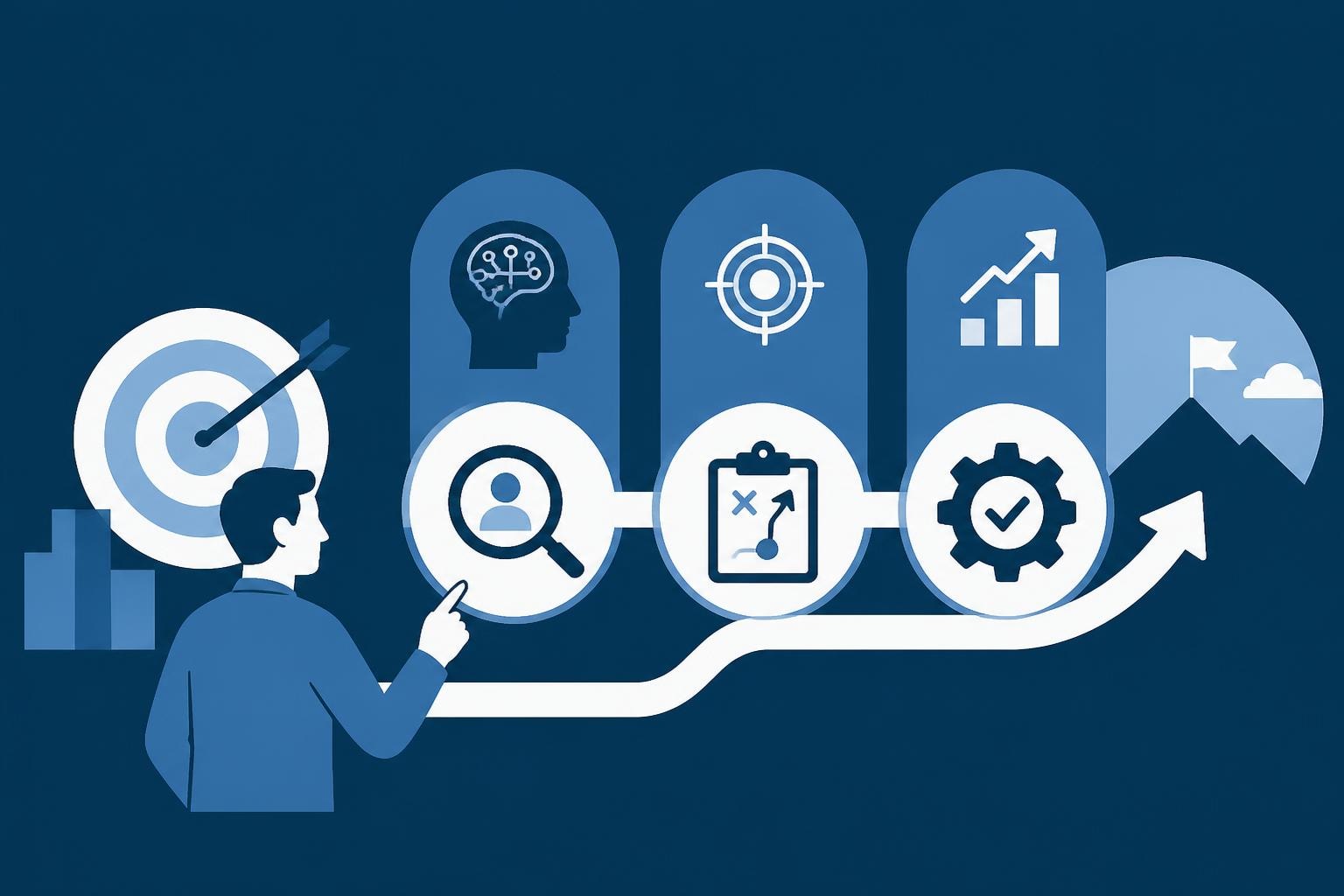
AI Strategy Consulting: A Complete Guide for 2026
The integration of artificial intelligence into business operations has moved from experimental innovation to strategic imperative. Organizations across industries recognize that successful AI adoption requires more than purchasing software or hiring data scientists. It demands comprehensive planning, cultural transformation, and expert guidance to navigate the complex landscape of technologies, methodologies, and organizational change. AI strategy consulting has emerged as a critical service for businesses seeking to harness AI's transformative potential while avoiding costly missteps and implementation failures.
Understanding the Foundation of AI Strategy Consulting
AI strategy consulting encompasses a structured approach to identifying, planning, and implementing artificial intelligence initiatives that align with specific business objectives. Unlike generic technology consulting, this specialized field requires deep expertise in both AI capabilities and business transformation methodologies.
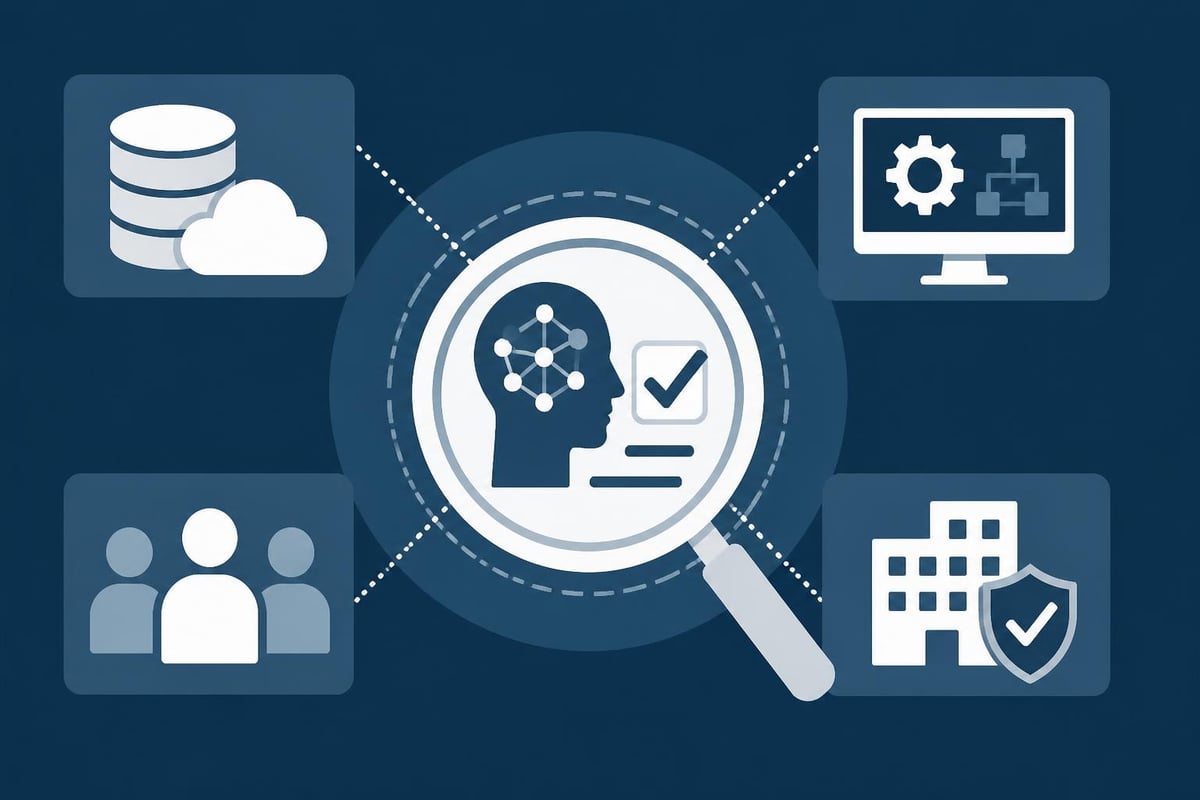
The consulting process begins with a thorough assessment of an organization's current state, including data infrastructure, technical capabilities, workforce skills, and cultural readiness. Consultants evaluate existing workflows, identify pain points, and determine which processes offer the highest potential for AI-driven improvement. This diagnostic phase establishes the foundation for all subsequent strategic decisions.
Key components evaluated during initial assessment include:
- Data quality, accessibility, and governance frameworks
- Current technology stack and infrastructure capabilities
- Organizational structure and decision-making processes
- Talent availability and skill gaps
- Competitive landscape and industry-specific AI adoption trends
The Business Case for Strategic AI Consultation
Organizations investing in ai strategy consulting typically see significantly higher success rates compared to those pursuing ad-hoc AI initiatives. According to enterprise AI implementation frameworks, structured consulting engagements help businesses avoid the common pitfall of technology-first thinking, where companies acquire AI tools without clear use cases or success metrics.
The value proposition extends beyond technical implementation. Consultants help leadership teams understand the broader implications of AI adoption, including workforce transformation, ethical considerations, and competitive positioning. This holistic perspective proves essential as companies navigate the transition from traditional operations to AI-augmented processes.
| Challenge | Without Consulting | With Strategic Consulting |
|---|---|---|
| Project Success Rate | 15-25% | 65-80% |
| Time to Value | 18-24 months | 6-12 months |
| ROI Achievement | Unpredictable | Measurable within 12-18 months |
| Cultural Adoption | Fragmented | Systematic and sustained |
Developing a Comprehensive AI Strategy Framework
The cornerstone of effective ai strategy consulting lies in creating a customized framework that addresses both immediate opportunities and long-term transformation goals. This framework serves as the blueprint for all AI initiatives, ensuring consistency, measurability, and alignment with business priorities.
Strategic frameworks typically incorporate multiple layers, starting with vision and objectives at the highest level, then cascading into specific use cases, technical requirements, and implementation roadmaps. Aligning AI investments with business value requires careful prioritization based on factors such as potential impact, implementation complexity, and resource requirements.
Prioritization and Use Case Selection
Not all AI opportunities deliver equal value. Consultants employ rigorous evaluation criteria to identify which initiatives should receive priority attention and investment. High-value use cases typically demonstrate clear ROI potential, address significant business pain points, and build upon existing organizational strengths.
Evaluation criteria for AI use cases:
- Business impact potential - Revenue generation, cost reduction, or risk mitigation value
- Technical feasibility - Data availability, algorithm maturity, and integration complexity
- Implementation timeline - Speed to deployment and time-to-value considerations
- Resource requirements - Budget, talent, and infrastructure needs
- Strategic alignment - Connection to broader business objectives and competitive positioning
The most successful organizations adopt a portfolio approach, balancing quick wins that demonstrate value with longer-term initiatives that drive fundamental transformation. This balanced strategy maintains momentum while building toward more ambitious objectives.
The Human Element in AI Strategy
A critical insight that separates effective ai strategy consulting from purely technical implementations is the recognition that 70% of AI value comes from rethinking how people work. Technology represents only one component of successful AI adoption. Organizational culture, change management, and workforce development determine whether AI initiatives ultimately succeed or fail.
Consultants work closely with leadership teams to address the human dimensions of AI transformation. This includes developing communication strategies that build trust and understanding, creating training programs that upskill existing employees, and redesigning workflows that leverage AI capabilities while preserving human judgment where it matters most.
Building AI Literacy Across the Organization
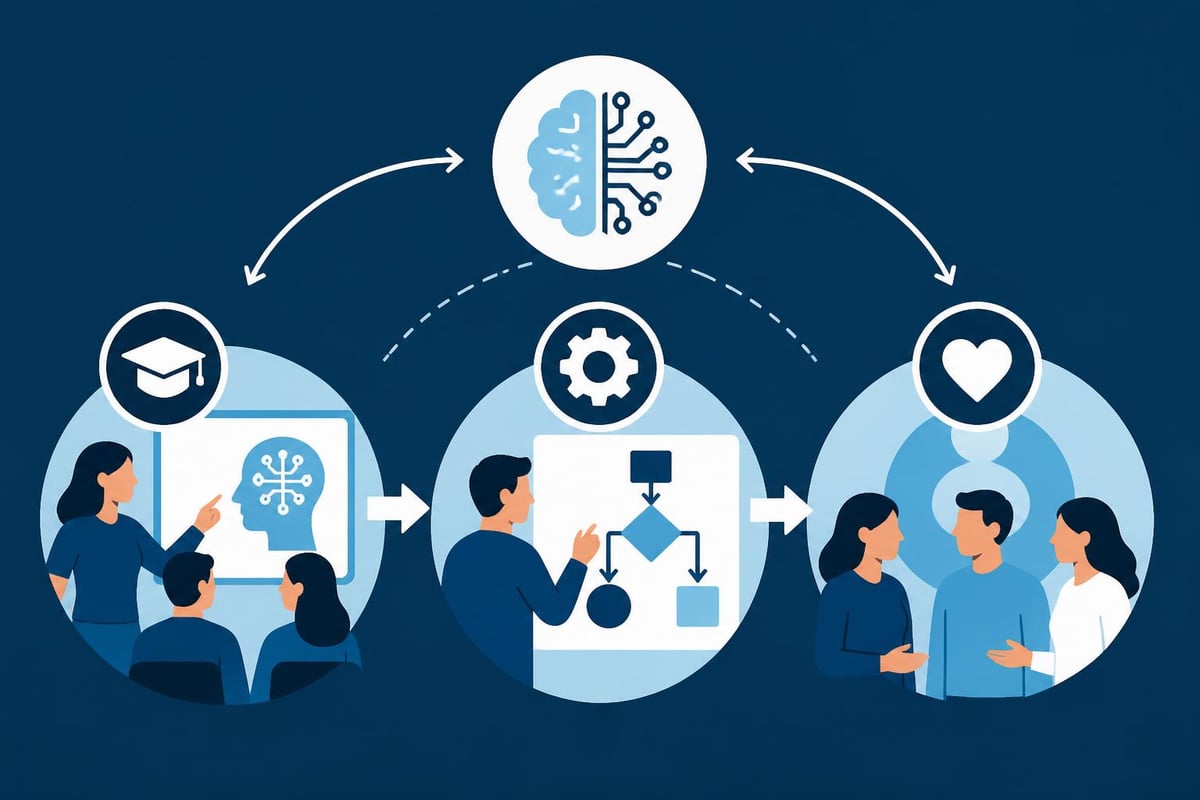
Organizations cannot execute AI strategies effectively without widespread understanding of AI capabilities and limitations. Strategic consultants develop tailored education programs that demystify AI for different stakeholder groups, from executive leadership to frontline employees.
These programs address common misconceptions, establish realistic expectations, and create a shared vocabulary for discussing AI initiatives. When aligning AI initiatives with business objectives, ensuring organizational readiness through education proves just as important as technical preparation.
Data Strategy as the Foundation for AI Success
The quality of AI outputs depends fundamentally on the quality of input data. This reality places data strategy at the center of any comprehensive AI consulting engagement. Organizations must establish robust data governance, ensure data quality, and create infrastructure that supports AI workloads.
Data strategy shapes AI success by addressing critical questions about data ownership, privacy, security, and accessibility. Consultants help organizations audit existing data assets, identify gaps, and implement systems that transform disparate data sources into unified, reliable foundations for AI applications.
Essential Data Infrastructure Components
Building AI-ready data infrastructure requires investment across multiple dimensions. Organizations need technical systems that can handle the volume, velocity, and variety of data required for modern AI applications. They also need governance frameworks that ensure data quality, compliance, and ethical use.
| Infrastructure Element | Purpose | Key Considerations |
|---|---|---|
| Data Lakes/Warehouses | Centralized storage and access | Scalability, query performance, cost |
| ETL/ELT Pipelines | Data integration and transformation | Reliability, real-time capabilities, maintenance |
| Governance Frameworks | Quality, security, compliance | Privacy regulations, access controls, audit trails |
| Master Data Management | Single source of truth | Data consistency, deduplication, lineage tracking |
When organizations establish strong data foundations before implementing AI solutions, they avoid the costly rework that often derails AI initiatives. This preparatory work accelerates deployment timelines and improves model performance across all use cases.
Implementation Roadmap and Change Management
Translating strategy into execution requires detailed roadmaps that specify timelines, milestones, resource allocation, and success metrics. AI strategy consulting delivers maximum value when consultants remain engaged through implementation phases, helping organizations navigate inevitable challenges and adapt to emerging opportunities.
Effective roadmaps break large transformations into manageable phases, typically following a crawl-walk-run progression. Initial phases focus on pilot projects that demonstrate value while building organizational capability. Subsequent phases scale successful pilots and tackle more complex use cases.
Typical implementation phases:
- Foundation building (Months 1-3) - Data infrastructure, governance, and initial team formation
- Pilot deployment (Months 4-6) - First use case implementation with limited scope
- Validation and learning (Months 7-9) - Performance measurement, refinement, and stakeholder feedback
- Scaled deployment (Months 10-12) - Expansion to additional use cases and departments
- Continuous optimization (Ongoing) - Performance monitoring, model updates, and portfolio management
Change management activities run parallel to technical implementation, ensuring that organizational readiness keeps pace with technological capability. This dual-track approach addresses both the "what" and the "how" of AI transformation.
Selecting the Right AI Strategy Partner
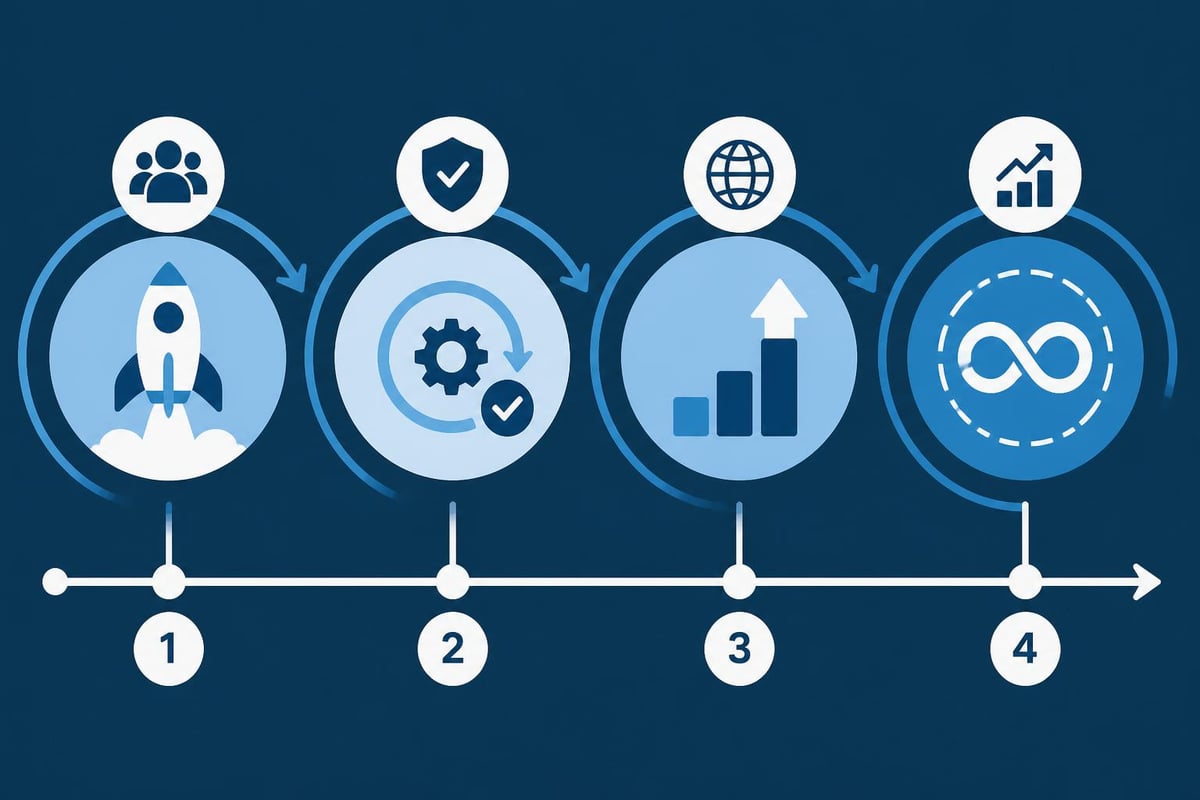
The expertise and approach of your ai strategy consulting partner significantly influences outcome quality. Organizations should evaluate potential consultants across multiple dimensions, including industry experience, technical depth, and cultural fit.
Strong consulting partners bring proven methodologies while remaining flexible enough to adapt to organizational specifics. They combine strategic thinking with hands-on implementation experience, avoiding the trap of creating impressive presentations that fail to translate into operational reality. For businesses seeking to build AI teams, working with verified AI professionals who have demonstrated expertise can complement consulting engagements by ensuring quality talent acquisition.
Evaluating Consultant Qualifications
Beyond credentials and case studies, organizations should assess how consultants approach problem-solving, communicate with stakeholders, and transfer knowledge to internal teams. The best consulting relationships build internal capability rather than creating long-term dependency.
Questions to ask potential AI strategy consultants:
- What frameworks do you use to assess AI readiness and prioritize use cases?
- How do you measure success, and what typical ROI timelines should we expect?
- What portion of your recommendations have you personally implemented?
- How do you approach knowledge transfer and capability building?
- What industries and use cases align most closely with our situation?
References from similar organizations provide valuable insights into consultant working styles and results delivery. Organizations should seek conversations with clients who faced comparable challenges and operated in similar contexts.
Measuring AI Strategy Success
Strategic AI initiatives require robust measurement frameworks that track both leading and lagging indicators. Consultants help organizations define appropriate KPIs that balance short-term wins with long-term transformation objectives.
Success metrics vary by use case but typically include combinations of financial performance, operational efficiency, customer satisfaction, and organizational capability measures. The most sophisticated measurement frameworks incorporate both quantitative metrics and qualitative assessments of cultural change and capability development.
| Metric Category | Example Metrics | Measurement Frequency |
|---|---|---|
| Financial Impact | ROI, cost savings, revenue generation | Quarterly |
| Operational Performance | Process cycle time, error rates, throughput | Monthly |
| Model Performance | Accuracy, precision, recall, latency | Weekly/Real-time |
| Organizational Capability | AI literacy scores, talent retention, innovation rate | Quarterly |
Regular measurement and reporting maintain stakeholder engagement and enable course corrections before minor issues become major problems. Consultants typically establish governance structures that review metrics systematically and make data-driven decisions about resource allocation and strategic adjustments.
Risk Management and Ethical Considerations
Responsible AI strategy consulting addresses potential risks and ethical implications alongside opportunity identification. Organizations must navigate concerns around bias, privacy, transparency, and accountability as they deploy AI systems that influence business decisions and customer experiences.
Consultants help organizations develop governance frameworks that embed ethical considerations into AI development lifecycles. This includes establishing review processes for high-stakes use cases, implementing bias testing protocols, and creating transparency mechanisms that maintain stakeholder trust.
Building Responsible AI Frameworks
Best practices in AI governance emphasize the importance of diverse perspectives in identifying potential harms and defining acceptable use boundaries. Effective frameworks balance innovation velocity with appropriate safeguards, avoiding both reckless deployment and paralytic over-caution.
Organizations should establish clear policies regarding data usage, model explainability, human oversight, and appeals processes for AI-influenced decisions. These policies reflect organizational values while meeting regulatory requirements and stakeholder expectations.
Future-Proofing Your AI Strategy
The AI landscape evolves rapidly, with new capabilities, methodologies, and best practices emerging continuously. Strategic consulting engagements should prepare organizations not just for today's AI landscape but for tomorrow's opportunities and challenges.
Transitioning to agentic AI systems represents one emerging trend that requires forward-thinking strategic planning. Organizations building AI capabilities today should consider how current investments position them for more autonomous, decision-making AI systems in the future.
Consultants help organizations build flexible architectures and capability development programs that adapt to technological change. This includes establishing innovation processes that continuously evaluate emerging technologies, maintaining awareness of competitive dynamics, and cultivating talent pipelines that bring fresh perspectives into the organization.
Strategies for maintaining AI strategic relevance:
- Establish innovation labs or centers of excellence that explore emerging capabilities
- Participate in industry consortiums and research partnerships
- Develop talent rotation programs that expose employees to diverse AI applications
- Implement continuous learning systems that incorporate new research and methodologies
- Maintain architectural flexibility that accommodates technology substitution
The most successful AI strategies balance focus on current priorities with optionality for future directions. This requires discipline to avoid chasing every new technology while maintaining awareness of trends that could fundamentally disrupt competitive dynamics.
Industry-Specific AI Strategy Considerations
While core consulting methodologies apply across industries, effective ai strategy consulting adapts to sector-specific contexts, regulations, and competitive dynamics. Healthcare organizations face different constraints and opportunities than financial services firms, retailers, or manufacturers.
Industry-specific considerations include regulatory environments, data characteristics, competitive pressures, and customer expectations. Consultants with deep industry experience bring valuable insights into which AI applications deliver the greatest impact and how to navigate sector-specific implementation challenges.
For organizations in talent-intensive industries, AI strategy must address how automation affects workforce planning, how AI tools augment human capabilities, and how organizations attract and retain talent in an AI-transformed workplace. These human capital considerations often prove more challenging than technical implementation questions.
Successful AI transformation requires strategic vision, technical expertise, and organizational commitment executed in careful coordination. Organizations that invest in comprehensive ai strategy consulting position themselves to capture AI's transformative potential while avoiding costly missteps. The right strategic foundation enables faster implementation, higher success rates, and sustainable competitive advantage. Augmnt connects businesses with verified AI professionals who bring the specialized expertise required to execute ambitious AI strategies, ensuring that strategic plans translate into operational reality through access to fraud-free, qualified talent.