AI Hiring: Transform Your Recruitment Process in 2026
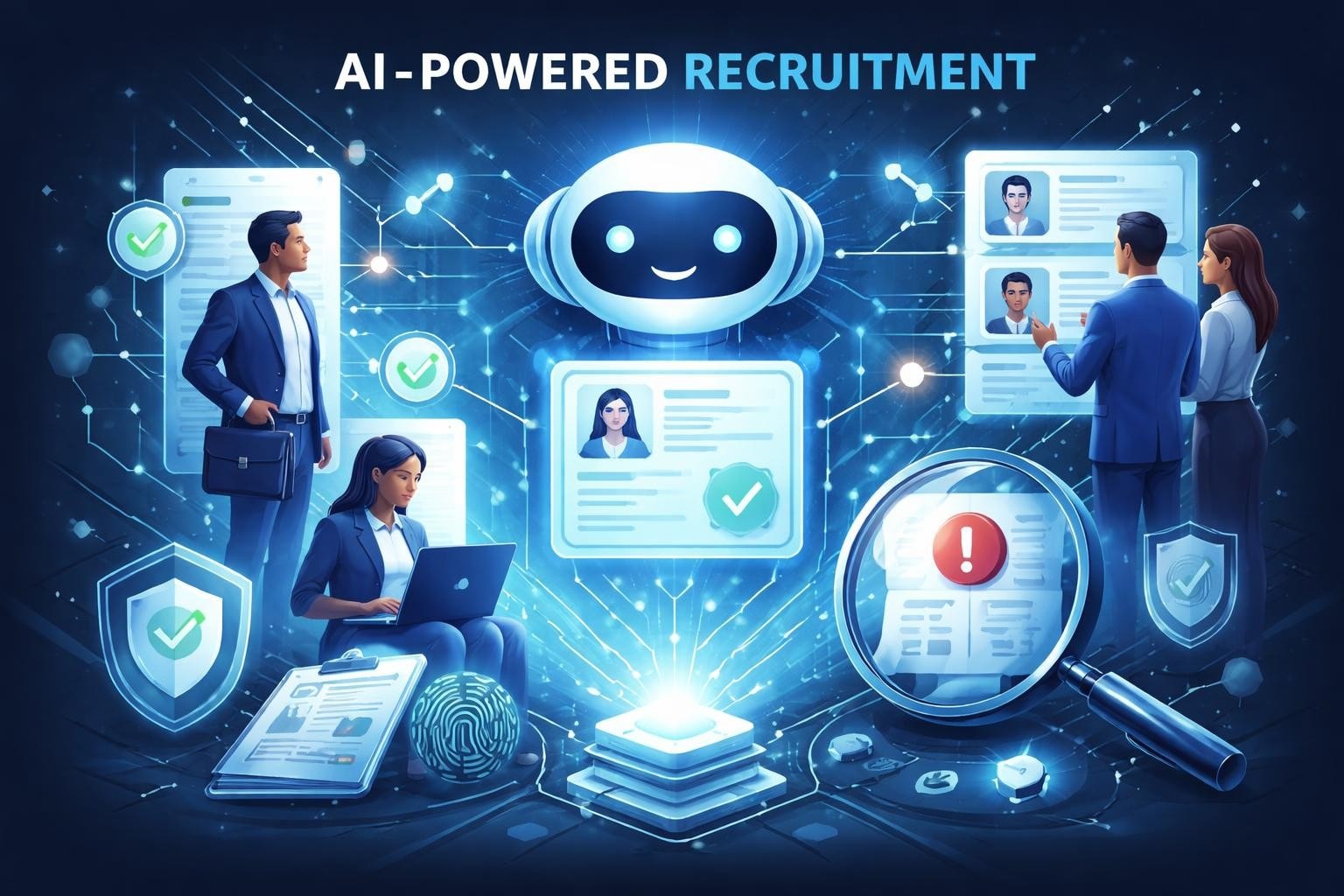
The recruitment landscape has undergone a dramatic transformation over the past few years, with artificial intelligence fundamentally reshaping how organizations identify, evaluate, and hire talent. As businesses face mounting pressure to fill positions quickly while maintaining quality standards, ai hiring has emerged as a critical solution that combines technological efficiency with strategic decision-making. This evolution represents more than just automation-it's a complete reimagining of how companies build their teams in an increasingly competitive talent market.
Understanding the AI Hiring Revolution
The integration of artificial intelligence in hiring processes has moved from experimental to essential for organizations of all sizes. AI hiring encompasses a broad range of technologies and methodologies designed to streamline recruitment workflows, reduce bias, and improve the quality of candidate matches.
What Makes AI Hiring Different
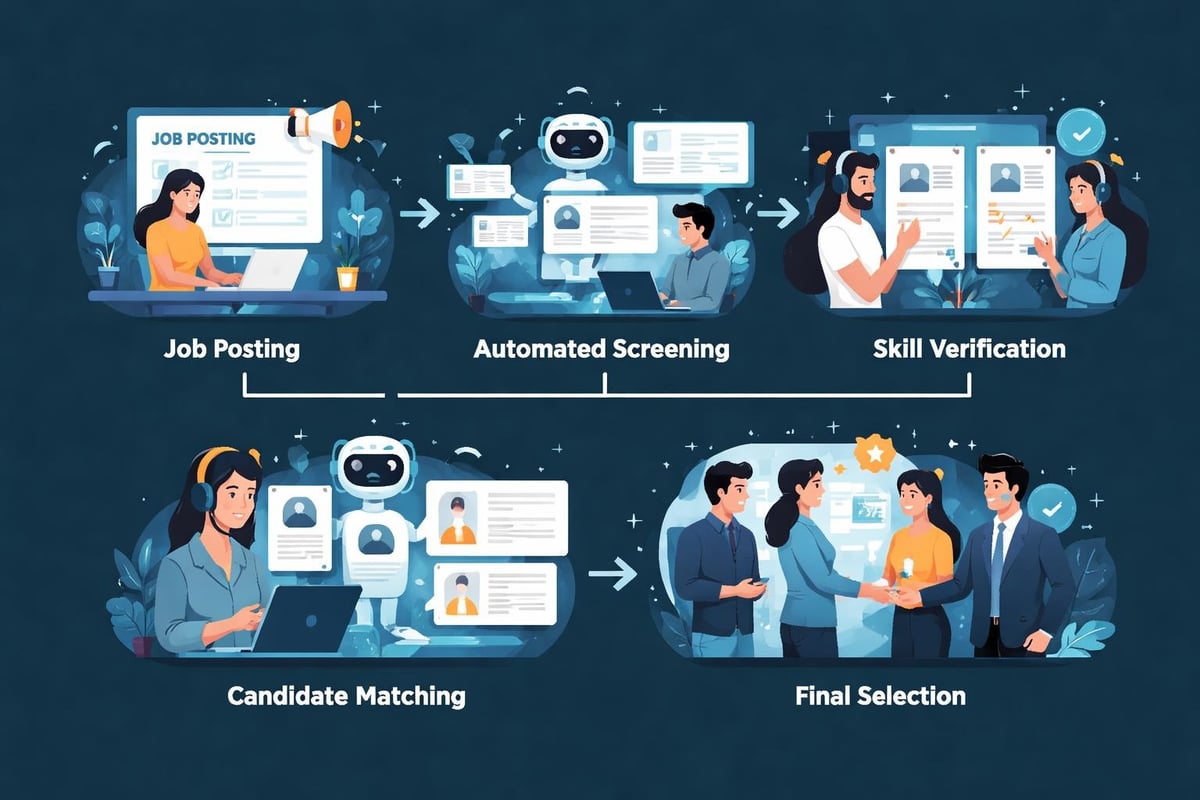
Traditional recruitment methods relied heavily on manual resume screening, subjective evaluations, and time-consuming interview processes. AI hiring transforms these workflows through several key capabilities:
- Automated candidate screening that processes thousands of applications in minutes rather than weeks
- Pattern recognition that identifies qualified candidates based on skills, experience, and cultural fit indicators
- Predictive analytics that forecast candidate success and retention likelihood
- Natural language processing that analyzes resumes, cover letters, and communication styles
- Fraud detection systems that verify credentials and identify misrepresented qualifications
The shift toward ai hiring reflects broader changes in workforce expectations and technological capabilities. According to IBM's analysis of AI in recruitment, companies implementing these systems report significant improvements in time-to-hire and candidate quality metrics.
The Technology Behind Modern Recruitment
Modern ai hiring platforms leverage machine learning algorithms trained on vast datasets of successful hires, industry standards, and performance metrics. These systems continuously improve their matching capabilities by analyzing outcomes and refining their decision-making processes.
Key technological components include:
- Resume parsing engines that extract structured data from unstructured documents
- Semantic matching algorithms that understand context beyond keyword matching
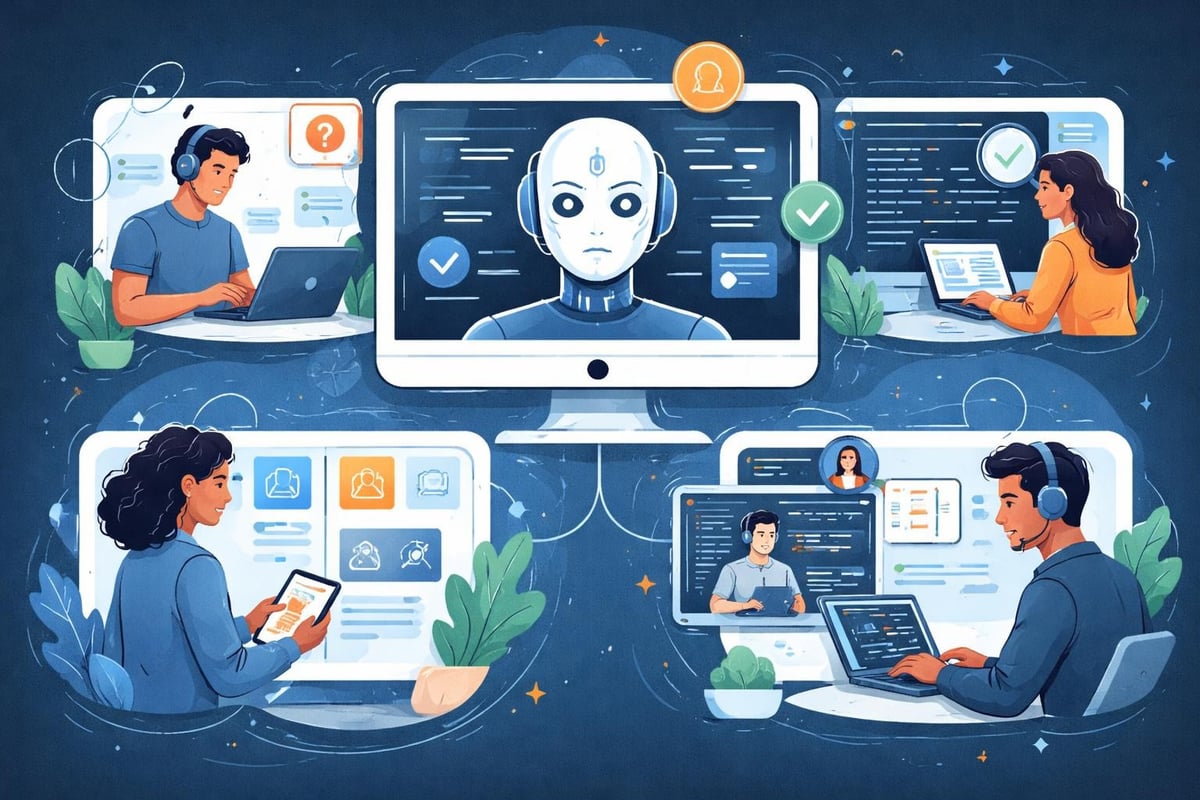
- Video interview analysis that evaluates communication skills and engagement
- Assessment automation that delivers customized skill tests based on role requirements
- Integration frameworks that connect with existing HR systems and applicant tracking platforms
The sophistication of these technologies continues to advance, with newer systems incorporating emotional intelligence assessments and cultural alignment predictions that were impossible just a few years ago.
Benefits Driving AI Hiring Adoption
Organizations implementing ai hiring solutions report measurable improvements across multiple recruitment dimensions. The advantages extend beyond simple efficiency gains to fundamentally enhance how businesses approach talent acquisition.
Speed and Efficiency Gains
Time-to-hire represents one of the most critical metrics in recruitment, particularly for roles requiring specialized skills or in competitive markets. AI hiring dramatically accelerates this timeline by automating repetitive tasks that traditionally consumed recruiter hours.
| Traditional Process | AI-Enhanced Process | Time Savings |
|---|---|---|
| Resume screening (100 candidates) | 20+ hours | 15 minutes |
| Initial qualification assessment | 10 hours | 30 minutes |
| Interview scheduling coordination | 5 hours | Automated |
| Reference checking | 8 hours | 2 hours |
These efficiency improvements allow recruitment teams to focus on high-value activities like relationship building, strategic planning, and candidate experience optimization.
Enhanced Candidate Quality
Quality of hire remains the ultimate measure of recruitment success. AI hiring improves this metric through more comprehensive evaluation methodologies that assess candidates across multiple dimensions simultaneously.
The technology excels at identifying non-obvious qualifications and transferable skills that human reviewers might overlook. By analyzing patterns from successful employees, ai hiring systems can recognize promising candidates who may not fit traditional profiles but possess the capabilities to excel in specific roles.
Reduced Bias and Improved Diversity
Unconscious bias presents one of recruitment's most persistent challenges. AI in recruitment tools can help mitigate these biases by focusing evaluation on objective criteria and skill demonstrations rather than demographic factors or educational pedigree.
Bias reduction strategies include:
- Blind resume screening that removes identifying information
- Standardized assessment criteria applied consistently across all candidates
- Skills-based evaluation that prioritizes demonstrated capabilities
- Diverse training data that represents varied successful employee profiles
However, organizations must remain vigilant about algorithmic bias, ensuring their ai hiring systems are regularly audited and updated to prevent perpetuating historical inequities embedded in training data.
Critical Considerations for AI Hiring Implementation
While ai hiring offers substantial benefits, successful implementation requires careful planning and ongoing management. Organizations must address several critical factors to maximize value while minimizing risks.
Data Privacy and Security
Recruitment processes involve sensitive personal information that demands robust protection. AI hiring platforms must comply with various regulations including GDPR, CCPA, and industry-specific requirements.
Essential security measures include:
- Encrypted data transmission and storage for all candidate information
- Access controls that limit who can view sensitive data
- Retention policies that automatically delete information after appropriate periods
- Transparency mechanisms that inform candidates how their data is used
- Audit trails that document all access and modifications to candidate records
Public attitudes toward AI in hiring reflect ongoing concerns about privacy and data usage, making transparency and robust security practices essential for maintaining candidate trust.
Human Oversight and Decision-Making
The most effective ai hiring implementations combine technological efficiency with human judgment. AI should augment rather than replace human decision-makers, particularly for final hiring decisions and complex evaluations requiring contextual understanding.
Recommended human oversight frameworks include:
- Review checkpoints where recruiters validate AI recommendations before advancing candidates
- Appeal processes that allow candidates to challenge automated decisions
- Regular auditing of AI decisions to identify potential bias or errors
- Continuous feedback loops where human recruiters help refine AI algorithms
This hybrid approach leverages the strengths of both AI and human intelligence, creating a more robust and fair hiring process.
Skill Verification and Fraud Prevention
Resume fraud and credential misrepresentation pose significant risks in recruitment, potentially leading to costly bad hires and organizational disruption. AI hiring systems excel at detecting inconsistencies and verifying candidate claims through multiple validation methods.
Advanced Verification Techniques
Modern ai hiring platforms employ sophisticated fraud detection capabilities that go far beyond basic background checks. These systems analyze patterns, cross-reference information, and validate credentials through multiple sources.
Verification approaches include:
| Verification Type | AI Method | Reliability |
|---|---|---|
| Employment history | Cross-referencing multiple databases | High |
| Educational credentials | Direct institution verification | Very High |
| Skill assessments | Adaptive testing with plagiarism detection | High |
| Project portfolios | Code analysis and authorship verification | Medium-High |
| Professional certifications | API integration with issuing bodies | Very High |
These multi-layered verification processes significantly reduce the risk of fraudulent candidates entering the hiring pipeline, protecting organizations from the substantial costs associated with bad hires.
The Shift Toward Skills-Based Hiring
Research on skill-based hiring trends demonstrates a fundamental shift away from credential-focused evaluation toward demonstrated capability assessment. AI hiring facilitates this transition by enabling comprehensive skills testing at scale.
This approach particularly benefits candidates with non-traditional backgrounds who possess valuable skills but lack conventional credentials. By focusing on what candidates can do rather than their educational pedigree, organizations access broader talent pools while making more accurate hiring decisions.
Strategic Implementation for Maximum Impact
Successful ai hiring adoption requires strategic planning that aligns technology implementation with organizational goals and existing workflows. Organizations should approach this transformation methodically rather than seeking immediate wholesale replacement of current processes.
Building Your AI Hiring Strategy
Begin by identifying specific pain points in your current recruitment process. Techniques for leveraging AI in hiring work best when targeted at well-defined problems rather than applied generically across all recruitment activities.
Strategic implementation steps:
- Assess current state by documenting existing workflows, bottlenecks, and success metrics
- Define objectives with specific, measurable goals for AI implementation
- Pilot programs that test AI hiring tools with limited scope before full deployment
- Measure and iterate based on actual results and feedback from recruiters and candidates
- Scale gradually by expanding successful pilots to additional roles and departments
This phased approach minimizes disruption while allowing organizations to learn and adapt their ai hiring strategies based on real-world performance.
Training and Change Management
Technology alone doesn't guarantee success. Organizations must invest in training recruitment teams to work effectively with ai hiring tools and understand their capabilities and limitations.
Effective training programs address:
- How to interpret AI recommendations and scoring methodologies
- When to override AI decisions based on contextual factors the system can't assess
- Feedback mechanisms that help improve algorithm performance over time
- Ethical considerations including bias awareness and candidate rights
- System limitations to prevent over-reliance on automated recommendations
Change management should emphasize that ai hiring enhances rather than threatens recruiter roles, freeing professionals to focus on strategic relationship building and candidate experience rather than administrative tasks.
Navigating Challenges and Limitations
Despite significant advances, ai hiring still faces important limitations that organizations must acknowledge and address. Understanding these constraints helps set realistic expectations and implement appropriate safeguards.
Algorithmic Bias Concerns
While AI can reduce human bias, it can also perpetuate or amplify biases present in training data. Concerns about AI in recruiting include the potential for discriminatory outcomes if systems are trained on historical data reflecting past inequities.
Bias mitigation strategies include:
- Regular algorithmic audits conducted by independent third parties
- Diverse training datasets that represent varied successful employee profiles
- Transparent decision criteria that can be examined and validated
- Ongoing monitoring of hiring outcomes for demographic disparities
- Rapid response protocols for addressing identified biases
Organizations must treat bias monitoring as an ongoing responsibility rather than a one-time implementation consideration.
The Human Touch in Recruitment
Certain aspects of recruitment benefit from human judgment and relationship building that AI cannot replicate. Candidate experience, cultural fit assessment, and nuanced communication all require human involvement.
The most effective ai hiring strategies recognize these limitations and design hybrid processes that leverage both technological efficiency and human insight. This balanced approach delivers superior results compared to either fully automated or entirely manual recruitment methods.
Measuring AI Hiring Success
Organizations need clear metrics to evaluate ai hiring performance and justify continued investment in these technologies. Effective measurement frameworks track both efficiency improvements and quality outcomes.
Key Performance Indicators
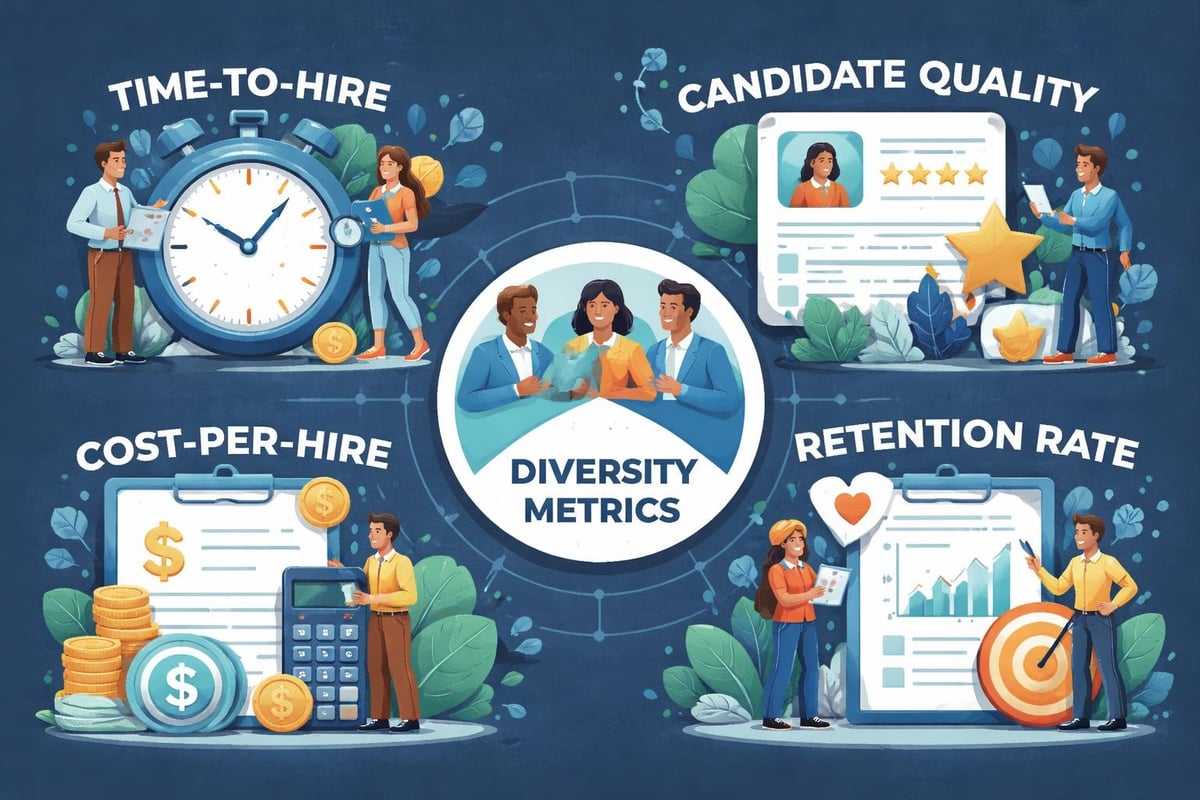
Comprehensive measurement requires tracking multiple dimensions of recruitment performance:
- Time-to-hire reduction compared to pre-AI baseline metrics
- Cost-per-hire including technology costs and recruiter time savings
- Candidate quality scores based on performance reviews and retention data
- Diversity metrics showing improvements in underrepresented candidate advancement
- Recruiter satisfaction with tools and workflow improvements
- Candidate experience ratings from surveys and feedback mechanisms
Regular reporting on these metrics enables continuous improvement and demonstrates the business value of ai hiring investments to stakeholders.
ROI Calculation Framework
| Cost Category | Traditional | AI-Enhanced | Annual Savings |
|---|---|---|---|
| Recruiter hours (100 hires/year) | $250,000 | $150,000 | $100,000 |
| Technology and tools | $20,000 | $50,000 | ($30,000) |
| Bad hire replacement costs | $75,000 | $30,000 | $45,000 |
| Time-to-productivity losses | $100,000 | $60,000 | $40,000 |
| Total Annual Cost | $445,000 | $290,000 | $155,000 |
These financial metrics help justify ai hiring investments and guide resource allocation decisions as organizations refine their recruitment technology stacks.
Future Trends in AI Hiring
The ai hiring landscape continues to evolve rapidly, with emerging technologies promising even more sophisticated capabilities. Organizations should monitor these trends to maintain competitive advantages in talent acquisition.
Emerging Capabilities
Next-generation ai hiring systems will incorporate advanced features including:
- Predictive retention modeling that forecasts long-term employee success
- Dynamic skill mapping that identifies transferable capabilities from adjacent industries
- Automated candidate nurturing that maintains engagement throughout extended hiring cycles
- Real-time market intelligence that adjusts compensation recommendations based on competitive data
- Integration with internal mobility platforms that prioritize existing employees for new opportunities
These advances will further transform recruitment from a transactional process into a strategic talent ecosystem management function.
Preparing for the Next Evolution
Organizations can position themselves for future ai hiring developments by building flexible technology infrastructures, investing in data quality and governance, and cultivating cultures that embrace technological innovation while maintaining human-centered values.
The recruitment teams that thrive in coming years will be those that successfully combine technological sophistication with genuine human connection, using ai hiring tools to enhance rather than replace the fundamentally human process of bringing talented people together with meaningful opportunities.
AI hiring represents a fundamental transformation in how organizations identify and secure top talent, offering unprecedented efficiency, accuracy, and scale in recruitment operations. By implementing these technologies thoughtfully, with appropriate oversight and clear metrics, businesses can dramatically improve their hiring outcomes while reducing costs and time-to-hire. Augmnt provides exactly this combination of advanced AI capabilities and human expertise, delivering a marketplace where verified AI professionals connect with companies seeking qualified, fraud-free candidates through comprehensive validation and streamlined processes that enhance every stage of the recruitment lifecycle.